
Short-form video decides more music careers in 2026 than radio and major-playlist placement combined, which is why every independent artist has to learn how to promote their music on TikTok before anything else. TikTok, Instagram Reels and YouTube Shorts move new songs in front of more listeners every week than any traditional channel and the algorithm does not care whether the track came from Sony or a bedroom in Tulsa. What it cares about is whether the first three seconds of your clip stop a thumb mid-scroll.
Craft and algorithmic performance are not the same skill, which is why a technically flawless record with no visual hook gets buried under a phone-shot lip-sync clip from a kid who picked the right four seconds of somebody else's song. Promoting music now means engineering your writing, your posting cadence and your creator engagement around the one metric that matters, which is retention in those first three seconds and reuse of the sound after that. This guide walks through what works in 2026 and what will waste your time.
Why TikTok Runs Music Discovery in 2026
A TikTok For You feed operates on a completely different logic than a Spotify playlist. Playlist placement exposes a song to a fixed listener pool and caps at that ceiling. A viral TikTok sound gets reshared, remixed and relooped across billions of videos, with every view counted as active engagement and the underlying audio compounding even when individual videos underperform. A sound with 500 creator uses gets pushed harder by the algorithm than a video with 500 likes, because the platform indexes audio reuse as the primary signal of a hit.
That audio-first architecture is also why your song wins or loses on the clip, not on the full production. A listener who connects with 15 seconds will stream the rest on Spotify later, but a listener who scrolls past in the first two seconds never comes back.
How Each Platform Behaves
Your rollout should run on all three discovery engines at once, because they surface different audiences and reward different edits. The table below breaks down who you are actually reaching where.
| Platform | Core Audience | What the Algorithm Rewards | Best Content Format |
| TikTok | 13 to 34 | Audio Reusage, Completion/Watch Rate | Hook-first lip-sync, POV, Dance |
| IG Reels | 25 to 44 | Polished visuals, Saves | Cross-Post without TikTok watermark |
| YouTube/Shorts | 13 to 45 | Retention, Channel Subscribers | BTS, Performance Clips, Snippets |
| X/Threads | 25 to 50 | Text commentary, Reposts | Context, Release Announcements, Funny Thoughts |
Designing a Song for Short-Form Video
You do not compromise artistry to make a song work on TikTok, you design the first 15 seconds for the phone screen from the demo stage and treat everything after that as the deep cut.
Front-Load the Hook
A TikTok clip starts playing the moment a viewer lands on it, and the algorithm scores how long they stay before swiping away. The most memorable musical moment has to be audible inside the first two or three seconds, so producers who bury the chorus under a 30-second intro lose before the song even has a chance to register. Build the intro around the chorus melody, the pitched-up ad-lib, the drop, whichever element is your most identifiable sonic fingerprint.
Write a Moment Creators Can Act On
Viral sounds always have one specific moment that gives a viewer something to physically do with the audio. A dramatic bass drop, a pitched-up vocal line, a lyric that lands weird enough to quote, a sample that begs for a lip-sync. That moment is what turns the audio into user-generated content, and user-generated content is the variable TikTok actually scores. Writing with the visual treatment in mind changes which ideas you keep and which you cut in the demo stage, so bake the moment in before the final mix.
A Posting Strategy the Algorithm Actually Feeds On
Consistency wins over genius on TikTok. An artist posting five tight edits a week for three months builds far more algorithmic momentum than an artist who drops one brilliant video every six weeks and disappears between releases. The table below breaks down a posting cadence that aligns with how release cycles actually perform.
| Release Phase | Posts Per Week | Content Mix |
| Pre-release tease | 4 to 5 | Demo clips, studio BTS, countdown |
| Release week | 7 to 10 | Lyric videos, dance prompts, POV hooks |
| Post-release sustain | 3 to 5 | Creator duets, remix reposts, chart updates |
Post the Same Sound Ten Different Ways
When a new song drops, post 10 to 20 short clips using the exact same audio with a different visual treatment on each one. Lyric video, studio clip, dance demo, POV caption, duet prompt, slow zoom on the cover art, run the full spectrum. The algorithm rewards whichever version resonates and you have no way of predicting which edit will hit without running the tests in parallel.
Engage the Creators Using Your Sound
Reply to every creator video that uses your audio within the first 48 hours with a duet or stitch, repost the ones that are performing and comment on the ones that are not yet. This engagement loop builds momentum around the sound itself, which is what TikTok indexes as the hit signal. A video with high likes is a good post, a sound with high creator reuse is a record that keeps paying.
Post During Peak Audience Windows
Engagement peaks in the evening hours of your target audience's time zone, typically between 7 PM and 11 PM local. Open TikTok's built-in analytics, find the windows where your own followers are most active and schedule every post inside that window because the first hour of a post's life is when the For You page decides whether to amplify it or bury it.
Beyond TikTok: Your Multi-Platform Plan
Depending on one platform is fragile. A 2026 rollout should spread across TikTok, Instagram Reels and YouTube Shorts as the primary discovery engines, with X and Threads functioning as the text-commentary layer where you build release context.
Instagram Reels
Reels skews older than TikTok and rewards a cleaner visual edit. Most content cross-posts cleanly from TikTok as long as you strip the TikTok watermark before upload, because Instagram's algorithm actively suppresses anything carrying a competitor logo. Reels also converts viewers to profile follows more reliably than TikTok, which matters for the long-term fanbase you are building underneath the viral spikes.
YouTube Shorts
Shorts has the fastest-growing music discovery algorithm of any platform in 2026, and a Shorts hit pulls listeners directly into your full catalog on the same channel. Pair your Shorts output with a long-form YouTube presence featuring official videos, studio vlogs and performance footage, because the casual Shorts viewer converts into a subscriber far more reliably when there is something substantial on the profile to dig into.
Stories and Threads for the Core Fans
Stories and Threads are where you build intimacy with the fans who already follow you. Post writing-process clips, tour announcements, masters playing in the car, the unfiltered material that does not fit the polished feed. The fans who watch your daily stories are the ones pre-saving your next release and buying tickets the day they go on sale.
How Vocal Quality Affects Music Promotion Results
Promotion gets people to press play once, vocal quality decides whether they save the track, follow the profile and return for the next release. A viral video with a weak vocal racks up views but loses the listener on the second scroll, while a clean vocal on the same hook pulls them into the catalog and keeps them streaming long after the clip dies.
How to Promote Your Music on TikTok: Step by Step
- Design every song with a front-loaded hook and a specific moment creators can react to on camera.
- Post 7 to 10 clips the week of release and 3 to 5 per week between drops, each using the same audio with a different visual angle.
- Duet, stitch or repost every creator who uses your sound within the first 48 hours of them posting.
- Schedule clips for the 7 PM to 11 PM window in your audience's dominant time zone.
- Run every release across TikTok, Instagram Reels and YouTube Shorts in parallel rather than treating any single platform as the whole strategy.
Pair Your Promotion With Release-Ready Vocals
Social momentum gets the listener to hit play. Clean, commercial-sounding vocals are what get them to save the track, follow the profile and come back for the next drop and the records that convert virality into lasting fans always sound like actual productions on playback. A rough vocal on a viral hook is a one-week story, a polished vocal on the same hook becomes a catalog song.
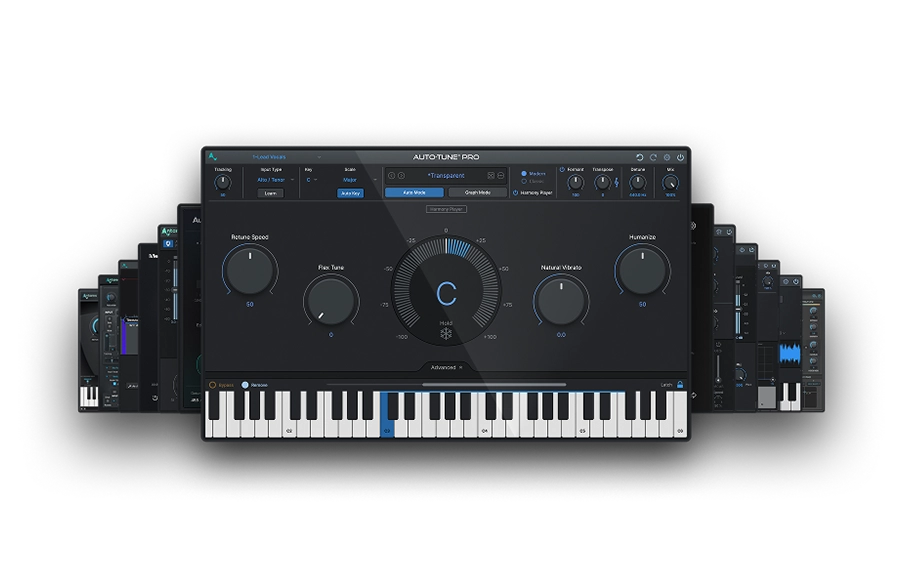
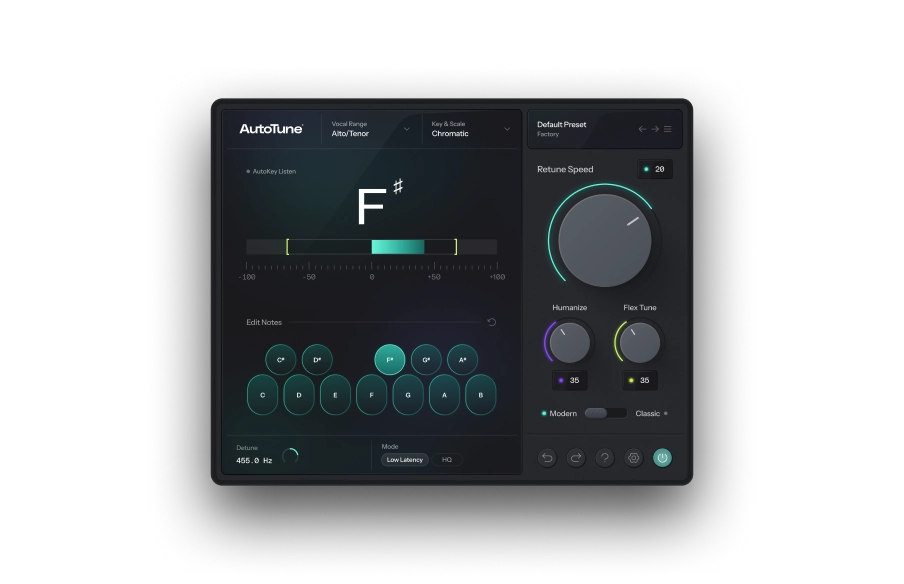
AutoTune 2026 is the pitch correction plugin sitting on almost every chart-climbing TikTok record of the last decade. Pair it with AutoKey 2 for instant key detection and AutoTune Unlimited for the full Antares vocal toolkit, so when your viral moment arrives your vocals are already ready to hold the attention it brings in.
AutoTune Unlimited
The Ultimate Vocal Production Suite
Frequently Asked Questions
How often should I post music content on TikTok?
Three to five times a week is the baseline cadence for ongoing content, scaling to seven to ten during release weeks. That schedule gives the algorithm enough material to find an audience without burning you out or thinning your edit quality.
Should I post full songs or just clips?
Stick to 15 to 30 second clips of your catchiest section for TikTok and Reels since short-form rewards the tightest hook. Save the full-length playback for YouTube, Spotify and your own artist channel.
Is it worth paying for a TikTok promotion?
Paid promotion amplifies a clip already performing organically but rarely rescues one that is not, so put budget behind the videos already pulling real engagement in the first 24 hours rather than the posts you wish were working.
How important is lyric content for TikTok virality?
Memorable lyrics give creators something specific to lip-sync or caption, which extends your song into user-generated content, which is the exact reuse signal the algorithm rewards.
Can instrumentals go viral on TikTok?
Instrumentals can catch on through dance challenges, meme edits or distinctive sound design, though it is harder than a vocal hit because most viral audio pivots on a recognizable vocal moment.

Exclusive AutoTune Content

AutoTune 2026

AutoTune Unlimited
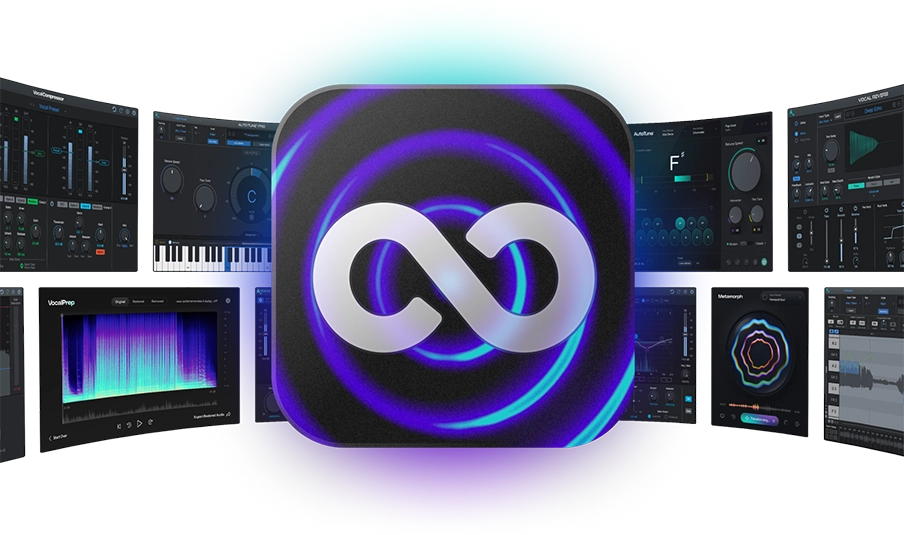
AutoTune 2026 and Metamorph
Now Included

Antares Editorial
Antares is a leading developer of software for music recording and live performance. For over 20 years, Antares has powered the music of top-charting and indie artists with products including the industry standard for pitch correction, AutoTune™.