
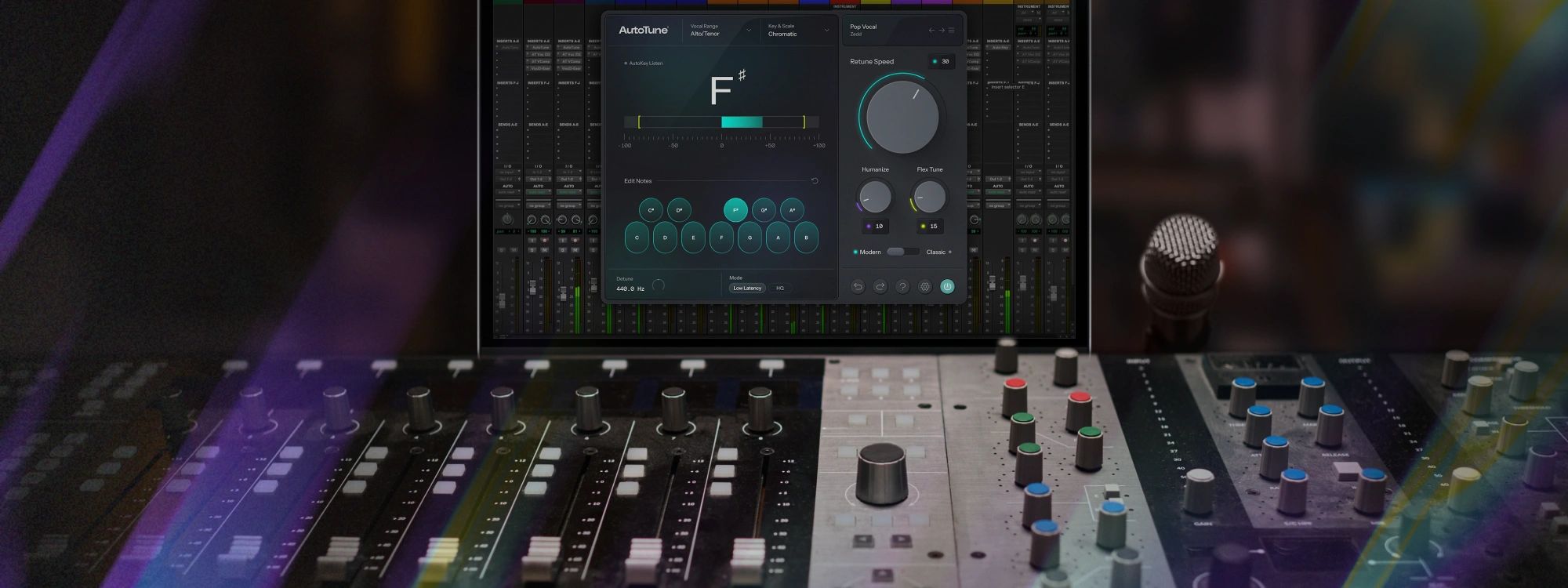
Processed vocals refer to the use of studio technology to enhance, tune, and manipulate a singer’s performance. At its core, vocal processing involves using tools like EQ, compression, and pitch correction to clean up or transform a vocal into a polished, final mix. While critics often claim that real singing requires zero intervention, the reality is that the gold standard of vocal performance has always been the result of deliberate production. Behind every hit record, producers have used technology to shape, polish, and reveal the best version of an artist. This authenticity debate has persisted for decades, yet it ignores the fundamental truth of the studio: production does not hide the performance, it amplifies it. From the earliest tape manipulations to the precision of modern pitch correction, here is how production has defined the sound of music history.
Frank Sinatra Was Not Singing an Entire Track at Once
Sinatra mastered the art of tape editing to create a perfect vocal composite, proving that even the legends utilized the studio as an instrument.
During the early 1950s, Sinatra mastered the art of tape editing to create a perfect vocal composite. He did not simply walk into a booth and record one flawless take. He built a performance piece by piece, splicing magnetic tape to select the best syllables and phrases from multiple passes. This was the birth of vocal comping, a technique that remains the industry standard today for achieving the perfect emotional delivery.
Elvis and the Sun Sessions
Going forward in the mid 1950’s, the intimacy of the Sun Sessions recordings defined the early rock and roll sound. Producers relied heavily on "slapback echo," a technique that utilized the magnetic tape delay between the record and playback heads. This created a rhythmic, wet reverb that gave the vocals a sense of urgency and presence that a dry microphone simply could not achieve. It added a professional gloss that made the recording feel immediate and finished.
Today, achieving that same vintage character is seamless. Plugins that emulate these classic tape delays allow you to replicate the warmth, saturation, and presence of those early records instantly. You no longer need to rely on the physical limitations of vintage tape machines to get that sound. You can dial in the exact delay time and feedback to ensure your vocal sits with that same classic, “recorded in a legendary studio” authority. It’s a bridge between the techniques of the past and the speed of modern production, ensuring your sound maintains a timeless weight.
How Abbey Road Solved the "Double Tracking" Problem
Carrying on to the 1960s, engineers at Abbey Road developed the technique of double tracking to thicken vocal sounds. Before digital workstations, manual double tracking was a tedious, laborious process that required vocalists to sing the exact same part twice with perfect synchronization. Ken Townsend, an engineer at Abbey Road, revolutionized this process by inventing Automatic Double Tracking (ADT).
By splitting the vocal signal and routing it to a second tape machine with a slight, variable delay, engineers could create a thickened, lush vocal texture instantly. This innovation defined the sound of the 1960s, allowing artists to achieve the richness of a double-tracked vocal without the time-consuming need to re-record every line.
Phil Spector and the Wall of Sound
Meanwhile, during the early 1960s, Phil Spector took production to another level with the "Wall of Sound." By obsessively layering instruments and vocals to build a dense, orchestral sonic landscape, he transformed the vocal track from a solo performance into a textured component of a larger machine. The vocals were not just captured, they were sculpted to float on top of a densely, reverbed and saturated mix. This proved that the real "sound" of a hit record was actually a massive, constructed studio event.
Spector’s layering required immense discipline and precision. To make such a dense arrangement sound coherent rather than cluttered, the vocal had to be incredibly stable. Today’s producers achieve this level of density by meticulously aligning vocal stacks. With tools that offer precise pitch and time correction, you can layer vocals to create that same "Wall of Sound" effect while keeping every single track clean, tuned, and perfectly placed in the stereo field. This allows you to build massive sonic environments without losing the clarity and presence of the lead performance.
What Motown Was Actually Doing in the Studio
During the late 1960s, the Motown sound relied on specific room acoustics and precise mic placement to create their signature vocal presence. The Motown sound was not an accident, but the result of a meticulously engineered signal chain. Vocalists typically tracked through a Neumann U47 microphone, which fed into custom, high-fidelity tube preamps designed to add warmth and harmonic saturation.
Engineers then applied specific, aggressive EQ curves to boost the high-mid frequencies, ensuring the vocals would cut through dense arrangements on small transistor radios. Combined with subtle, tube-based compression to level out the dynamics, this chain allowed every vocal to sit perfectly in the mix, maintaining clarity and presence without sacrificing the soulful texture of the performance.
The Unplugged Era and the Great Authenticity Performance
In the early 1990s, a cultural backlash against the heavily produced pop and rock music of the 1980s gave rise to one of the most powerful and durable myths about musical authenticity: the idea that acoustic, stripped-back, unplugged music was inherently more "real" and honest than produced music. MTV Unplugged crystallized this idea into a format. Artists who were primarily known for big, polished studio productions would perform in an intimate acoustic setting, and the rawness of the setting was understood as a form of confession, a statement that "this is who we really are."
However, even these unplugged sessions were carefully mixed and processed. The goal was never to present a raw, unpolished recording; it was to remove distractions and let the performance shine. That same philosophy guides production today. Using a vocal chain to subtly polish a performance, ensuring the pitch is stable and the dynamics are balanced, isn't about hiding the artist. It is about removing the technical distractions that keep a listener from connecting with the emotion of the song. Modern AI-powered vocal chains allow producers to achieve that level of transparent clarity, ensuring the "unplugged" feel remains intact while meeting professional sonic standards.
The 1980s Gated Reverb
The 1980s introduced the "gated reverb" sound, a defining production technique that transformed the vocal into a rhythmic, percussive element. By applying a noise gate to a reverb signal, producers like Peter Gabriel and Phil Collins could abruptly cut the reverb tail, creating a sharp, abrupt decay. This created a powerful, punchy vocal sound that cut through dense, synthesized heavy arrangements. It was a massive shift toward aggressive, unnatural, yet iconic vocal production.
This wasn't just a gimmick, it was a deliberate and surgical choice to force the vocal to the front of a crowded mix. Modern production allows producers to experiment with these spatial effects with even greater precision. Using sophisticated delay and reverb algorithms, like those found in our comprehensive vocal suite, you can create that same punchy, aggressive signature sound without needing the massive, room sized hardware consoles of the 80s. You have the power to sculpt space and dimension around a vocal, turning the reverb itself into a creative instrument rather than a static afterthought.
Every Decade Has Had Its Version of This Argument
The vocal authenticity debate has existed for as long as recorded music. When electric amplification arrived, critics said it was cheating. When multi-track recordings appeared, they said the same. When digital pitch correction arrived, critics once again argued it degraded performance.
The result is always the same. By the time the next generation of critics makes the argument, the technology has been absorbed into the mainstream. Nobody thinks of multi-track recording or electric amplification as cheating anymore. They think of it as music. Pitch correction is a standard tool that world-class producers use to deliver the best possible result. It is not about replacing the performance. It is about realizing the vision.
What Authenticity Actually Means
Authenticity today is not about being unprocessed. It is about using the right tools to realize your artistic vision. If the pros have every tool at their disposal, you should too. Authenticity is simply the sound of a well produced record.
The debate over "processed" versus "raw" is a distraction from the only metric that matters: the final result. Every legendary record in music history relied on the best production tools available to that generation. Today, our AI-powered vocal chain streamlines this workflow by providing professional-grade pitch correction, compression, and reverb in one intuitive interface.
These tools are designed to enhance your performance, ensuring your tracks maintain the same technical standards that defined the records of the past, allowing you to focus entirely on the artistry of your sound.

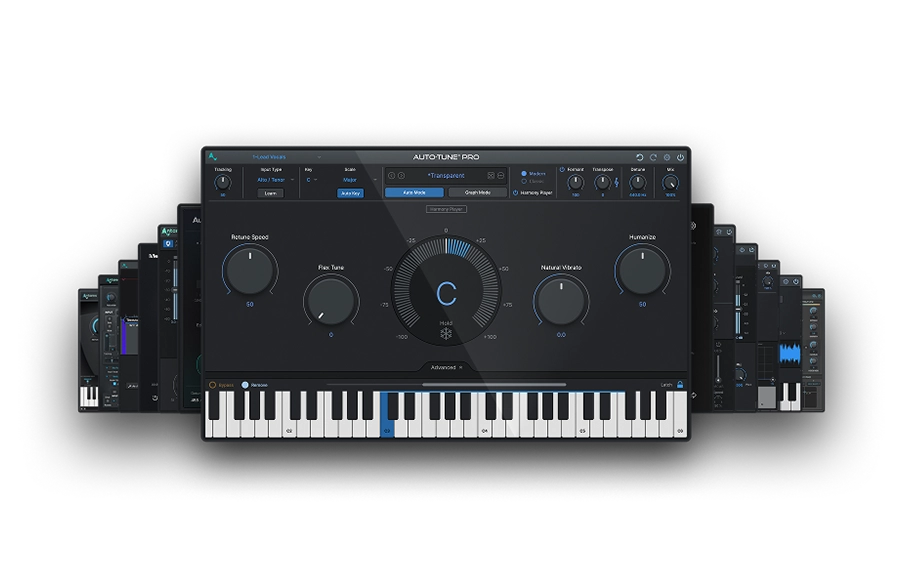
AutoTune Unlimited
The Ultimate Vocal Production Suite
Frequently Asked Questions
What are processed vocals?
Processed vocals are recordings modified with studio tools to enhance or shape the audio. This process includes everything from subtle EQ and compression to creative effects like reverb and pitch correction.
Do all professional singers use vocal processing?
Yes. Vocal processing is the industry standard for modern music production. Even recordings that sound natural use tools like compression to ensure the vocal sits correctly in the mix and meets professional loudness standards.
What is the difference between pitch correction and vocal processing?
Pitch correction is a specific tool used to adjust the intonation of a vocal performance. Vocal processing is the broader term for the entire signal chain, which includes pitch correction as well as EQ, compression, and other effects.

Exclusive AutoTune Content

AutoTune Pro
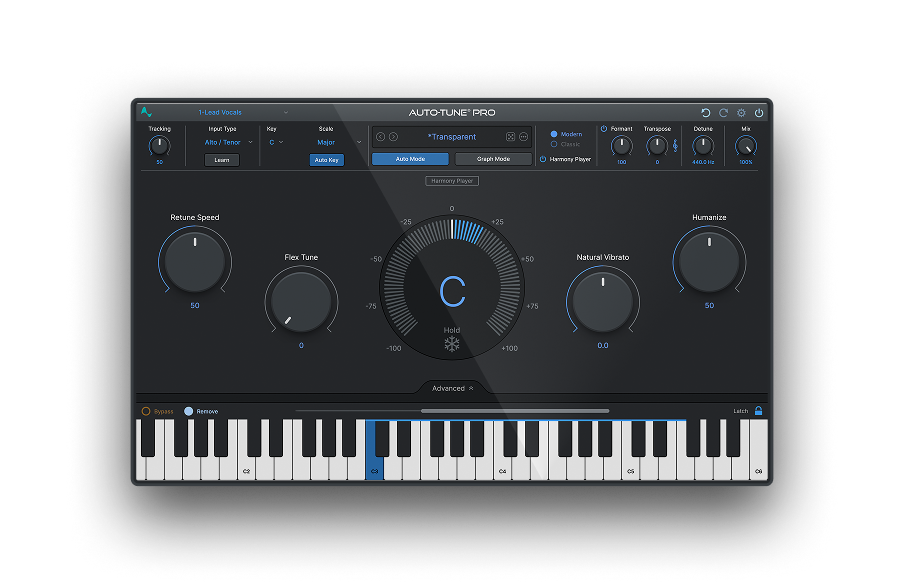

AutoTune Unlimited
AutoTune 2026 and Metamorph
Now Included

Antares Editorial
Antares is a leading developer of software for music recording and live performance. For over 20 years, Antares has powered the music of top-charting and indie artists with products including the industry standard for pitch correction, AutoTune™.