

Many singers have difficulty achieving their goals, such as singing confidently in front of an audience, improving their vocal tone, or hitting high notes effortlessly. There are many reasons for this, such as not having enough resources or formal vocal training. It can also be hard to balance instrumental skills with singing.
But these challenges should not stop you from pursuing your dreams. We made a guide to help you improve your singing skills, with or without formal training. The goal is to demystify the art of vocal performance and put you on a path toward becoming the singer you've always wanted to be.

Unlocking Your Vocal Power
To unlock your potential as a singer, the first step is to identify your vocal type and range. This can be soprano, alto, tenor, or bass. Having this foundation will allow you to master your skills. How do you identify your vocal type? You sit in front of a piano and find the lowest note you can sing comfortably. That'll give you a rough understanding of your vocal type and range.
Breathing correctly is fundamental to singing. To have control and range, it's important to breathe by expanding your diaphragm, not just your chest. Just as important is a good posture, which impacts breath control and enhances resonance and tone.
To avoid vocal damage, warming up your vocal cords before singing is essential. Check out our specialized article for recommended warm-up exercises.
Modern tools can also take your singing abilities to the next level. Antares' vocal plug-ins have many features. They include texture experimentation and real-time pitch correction. These features can help you understand the nuances of your voice.
Home Practice Strategies
Structured Daily Routine
Create a daily regimen that includes exercises targeting pitch, range, and control. Begin with warm-ups like lip trills. Move on to scales for pitch improvement and finish with song practice. Aim for at least 30 minutes of daily vocal training.
Have a Dedicated Singing Space
A dedicated practice area can boost your focus or put you in the right frame of mind. To make the most of this space, you'll need a music stand, a mirror to check your posture, and a recording device for self-assessment.
Use Technology to Your Advantage
Digital tools like Antares' vocal plug-ins can become your virtual coaches, providing real-time feedback for pitch correction and tone adjustment.

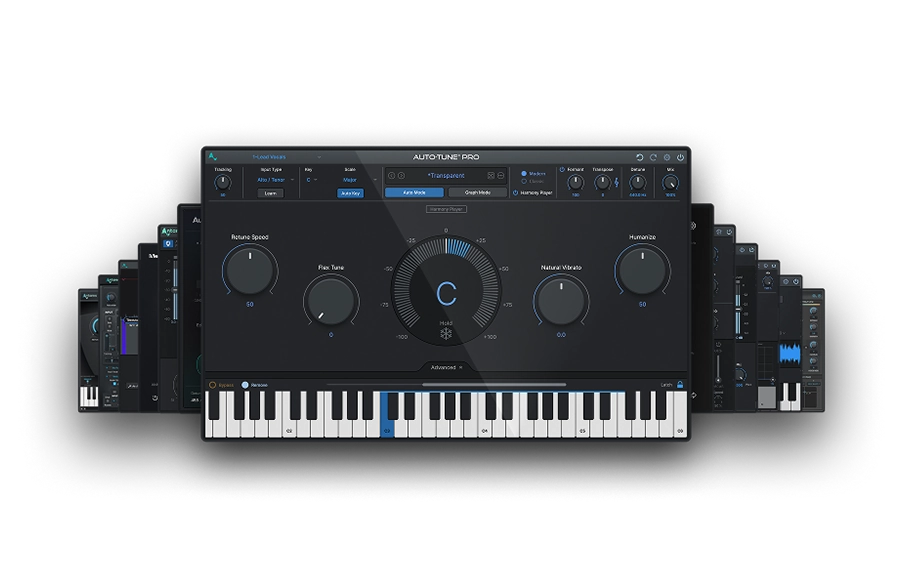
AutoTune Unlimited
The Ultimate Vocal Production Suite
Fast Track to Success
30-Day Vocal Challenge
A 30-day challenge focuses on improving specific vocal facets daily. Each day targets a different skill, and recording your sessions helps monitor progress. Share your progress with others to feel motivated and encouraged to continue. There are plenty of online communities that host regular challenges, so don’t be afraid and give it a try.
Antares plug-ins for Accelerated Learning
Antares' plug-ins can speed up how fast you learn. They can also give you instant feedback and fix pitch mistakes in real-time. You can improve your singing by adjusting in real-time. This helps you learn vocal techniques faster.
Singing and Playing Guitar
For many, singing while playing the guitar is the ultimate artistic expression. It also requires practice, coordination, and the right tools to achieve professional results.

Tailored Tips for Male Singers
Anatomical Differences
Men typically have thicker and longer vocal cords than women. This usually results in a lower vocal range. The male voice also tends to go through a significant change during puberty, resulting in a 'voice drop.' These anatomical traits influence a singer’s pitch, vocal range, and timbre.
Exercises for Common Issues
Here are some specialized exercises to address issues commonly faced by male singers:
Head Voice and Falsetto: Men often struggle with reaching higher notes comfortably. Practicing in your head voice or falsetto can help expand your upper range. Gentle scales and arpeggios can gradually increase your comfort and ability.
Mixed Voice: This is a blend of your chest and head voice, and mastering it can help you transition smoothly across your vocal range. Start by singing a scale in your low range. Then, move up the scale to your high range. Try to blend the two together smoothly.
Breath Support: Due to the thicker vocal cords, male singers may need stronger breath support to sustain notes, especially in the upper register. Breath control exercises, focusing on diaphragmatic breathing, can help.
Resonance: Humming while focusing the sound forward, towards the nasal passages, can improve tone quality.
It’s crucial to avoid pushing or forcing the voice, which can lead to vocal damage over time. Instead, focus on proper technique and consistent practice to expand your range safely.
Reaching the High Notes
Many people believe that only a few with innate talent can hit high notes while singing. Nothing further from the truth.
The key is to achieve a delicate balance between vocal cord tension and airflow. Overexertion or incorrect technique can result in vocal strain or even damage. To hit high notes safely, it's important to use science-backed techniques. These include warm-up exercises and diaphragmatic breathing. Anyone can learn to hit high notes with practice and knowledge about how the voice works.
Progressive Exercises for Extending Vocal Range
Lip Trills: These warm-ups relax your vocal cords and prepare them for higher frequencies.
Sirens: Start at a comfortable low note and glide to your highest note, mimicking a siren to stretch your vocal cords.
Octave Jumps: Sing a comfortable note, then try it an octave higher. Take breaks between attempts to avoid strain.
Isolated High Notes: Practice challenging high notes in isolation before incorporating them into scales or songs.
Antares Plug-ins for High Notes: Antares' plug-ins can help you hit high notes by offering real-time pitch feedback.

Group Performances and Harmonizing
To improve music performances, singers need both skill and the ability to blend voices and stay on key.
Here's how to master harmonizing in a group setting.
Blending Voices Tone Matching: This skill requires each singer to listen to others and match timbre and tone for a unified sound.
Volume Control: Consistent volume is key. Typically, the melody should stand out, with harmonies playing a supporting role.
Vowel Uniformity: Consistent pronunciation of vowels across singers enhances the perception of harmony.
Interactive Exercises for Harmony Skills Round Singing: Simple songs like "Row, Row, Row Your Boat" can enhance harmony and voice blending.
Third and Fifth Harmonies: Divide the vocal group and assign each subset a different harmony to sing. This helps maintain individual parts while listening to others.
Pitch Matching Game: One singer starts a note, and the next harmonizes with it. This exercise improves spontaneous harmonizing skills.
Harmony Engine by Auto-Tune: A great tool to craft harmonious vocal tracks, Harmony Engine provides real-time harmony generation and can help understand how different harmonies will sound before performing them live.

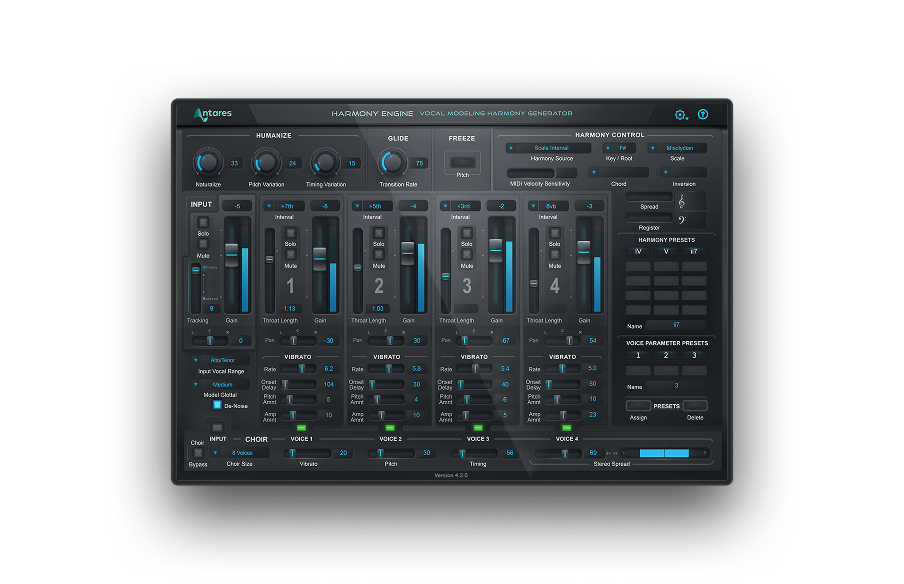
Harmony Engine
Automatic Vocal Harmony Generator
Progress Tracking and Improvement
Improvement in singing is a long-term commitment that requires clear goals, consistent practice, and progress tracking. Here are some suggestions as to how you can keep track of your progress.
Setting Measurable Goals
Use the SMART goal framework (Specific, Measurable, Achievable, Relevant, Time-bound) to set clear objectives relevant to your singing journey.
Daily Practice and Progress Templates
A simple tracking sheet could include:
- Date
- Vocal exercises performed
- Songs practiced
- High and low notes reached
- Areas for improvement
- Time spent practicing
This allows you to document your journey and adjust your routine accordingly.
Utilizing Antares Tools for Tracking
To become a great singer, it's important to practice regularly, have a routine, and be dedicated to improving. However, artists can now access advanced technology to make their creative process easier. If you’re an ambitious vocalist, Auto-Tune Unlimited might be the secret weapon to unlock your full potential.
Auto-Tune Unlimited provides a variety of vocal tools in one package. You can correct pitch, harmonize vocals, and add powerful mixing effects. Industry professionals worldwide trust this suite because it offers advanced technology that is regularly updated to keep you ahead. Are you ready to make a leap in your vocal journey?
AutoTune Unlimited
The Ultimate Vocal Production Suite

Exclusive AutoTune Content

AutoTune Pro
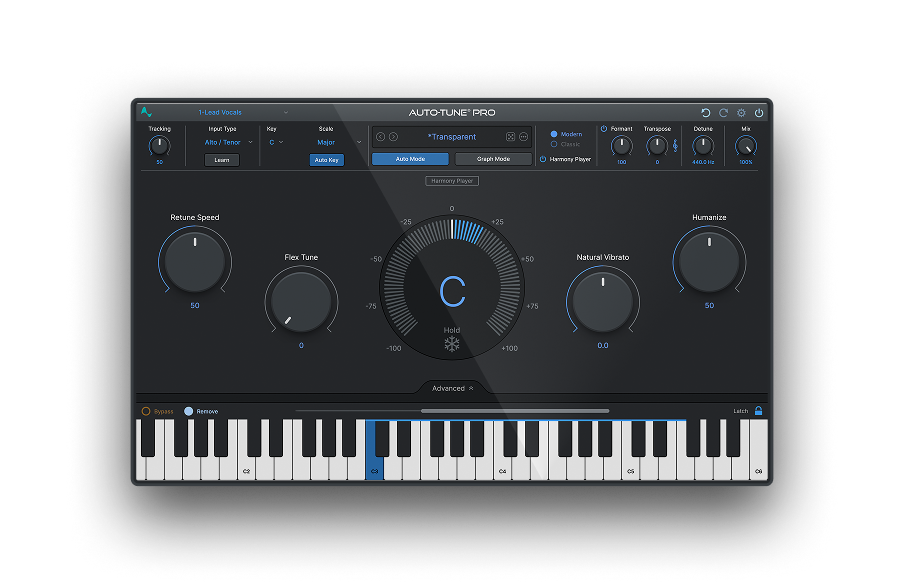

AutoTune Unlimited
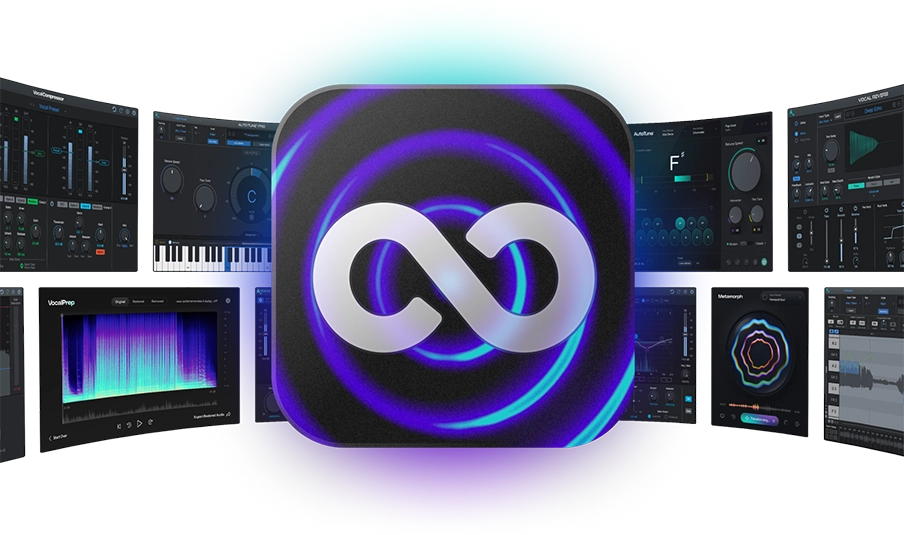
AutoTune 2026 and Metamorph
Now Included

Antares Editorial
Antares is a leading developer of software for music recording and live performance. For over 20 years, Antares has powered the music of top-charting and indie artists with products including the industry standard for pitch correction, AutoTune™.