

Entering the world of the music industry now can be both exciting and incredibly intimidating. Never before has the career of music professionals been so much in their own hands as it is today: your online presence can bridge the gap between your craft and a global audience, unconstrained by entry barriers or budget limitations that once were the ultimate factor that defined an artist’s success.

Furthermore, the music business has become one where versatility and adaptability play a crucial role. I've been running a record label for a decade, and when the pandemic hit in 2020, and we lost all revenues from the planned tours, we started writing, mixing, podcasting, and basically doing anything we’ve learned over the years and that’d keep the label afloat financially. And we came out of it stronger than before.
While being challenging and extremely competitive, the music business can be rewarding: the salary of a music industry professional can reach impressive heights. Yet again, it’s a path that often requires years and tireless dedication before it bears fruit.
That shouldn’t stop us from looking at the industry numbers and identifying where our profession of choice can lead us in the long run. So let’s delve into the salaries in the music production industry nowadays, understand these numbers, the different revenue streams available, and take a look at those who’ve achieved mind-blowing results and how they did it.
Elements That Constitute Salaries
It’s safe to say that traditional compensation models no longer apply. More often than not, producers and industry professionals are making a living through a multifaceted system that includes album revenue shares, advances, bonuses, earnings from side projects, and more.
Album revenue is still a critical component of a music producer's income. It’s usually calculated as a percentage of the album's total revenue: producers usually receive around 2.5% to 3% of the album's total revenue, reflecting their share of the artist's overall earnings, which is around 20-25%. This compensation model aligns the producer’s financial interest with the album's commercial success: the better the quality, the higher the chances of releasing something successful.

While a mirage for the new indie artist, advances are crucial for the medium to established producers. These are upfront payments made to producers: an investment in their skills and reputation to release a valuable product. The size of these advances can vary immensely, depending on the producer's credibility and standing in the industry. If you're good, though new to the business, you might get $3K per master (song). If you're an established producer with a track record of top-charting tracks, you could get $150K for an album. If you’re a superstar (Dr. Dre, Rick Rubin), the sky is the limit.
Bonuses are another important aspect of a producer's income and are often related to milestones or achievements. These could be exceeding a certain number of album sales, achieving high streaming numbers, or receiving awards.
Aside from direct music production revenue, producers can diversify their income streams through various side projects, providing an additional source of income and enhancing the producer's reputation in the industry. These can include speaking engagements, teaching roles in educational institutions, or conducting workshops and masterclasses.
Factors Affecting Salaries
Salaries in music production depend on several factors, some more important than others. First of all, the type of employment can impact your salary: freelance music producers get paid based on experience, project type, and client budget, typically ranging from $100 to $500 per hour. Employed producers, while getting paid less per hour, receive additional benefits like health insurance, retirement plans, and a steady income, which can be more appealing for long-term financial stability.
All in all, the financial plan and scope of work for a project determine a music producer's pay. Larger projects requiring more studio time, revisions, and production duties have higher budgets and therefore offer higher compensation.

Location is also important, even in an industry where remote jobs are becoming the new standard for producers. Record labels in Los Angeles offer an average salary of around $69,400; in contrast, the average salary offered by a music management company in Nashville, which can be seen as representative of what independent production houses offer in smaller markets, is about $48,800.
Royalties become a fundamental part of a music producer's income when there are substantial budget constraints in a project. The exact terms are outlined in the producer's contract, with some cases splitting royalties 50/50 between producers and artists.
Needless to say, but just like in any other industry, building a strong network within the industry is crucial for your music production career: networking, online and offline, can lead to more job opportunities and better visibility among potential clients.
Work Arrangement Types

As a professional, there are two ways you can enter the music industry: either as a freelance or as an employee. There’s no one-size-fits-all solution, and each option comes with its pros and cons.
Permanent employment requires a long-term commitment to a single company, such as a record label or music studio. Obviously, this path provides the security of a steady income with a fixed salary, benefits like health insurance and retirement plans, and career development opportunities. Access to company resources, including advanced equipment and software, is another advantage.
However, there are downsides: limited flexibility in terms of project selection and working hours, creative constraints, and dependency on one employer or business for all your incomes. If your company goes bust, which in the music industry happens often, you’re out of business.
Working as a freelancer provides a high degree of flexibility and autonomy but less financial stability. Freelancers have the freedom to choose their projects, set their own schedules, and make independent creative decisions. This path can also offer the potential for higher earnings: freelancers set their own rates and can work on multiple projects simultaneously.
However, freelancers’ earnings can be irregular and unpredictable. They are also responsible for their own taxes, contracts, and business management and lack the security of employer-provided benefits such as health insurance and paid leave.
It all comes down to the kind of person you are and what’s important to you. If you’re looking for stability, structured work environments, and long-term career development within an organization, look for permanent employment. If you prioritize flexibility, creative control, and variety in your work, freelance is your best bet.
Types of Compensation
When it comes to compensating music producers, there are several models that are commonly used in the industry. Let’s break them down:
First and most commonly, we have royalty-based compensation. This model is directly tied to the commercial success of the music produced. Producers earn a percentage of revenues from album sales, digital downloads, streaming services, and radio plays. This approach aligns the producer's financial incentives with the project's commercial success: the more successful the project, the more the producer earns.
Variable and hybrid models are other options for professionals who already have some productions under their belt. With this structure, a producer receives a combination of a fixed fee and performance-based royalties. This model offers a practical balance, ensuring a base income for the producer while still allowing them to benefit from the success of the project. So, the producer gets a guaranteed income along with the added potential for increased earnings.
Bonuses, as already discussed, should be included in your contract if you’re serious about your music career. These are additional financial incentives awarded for achieving specific milestones, such as surpassing a certain number of sales, recognition through awards, or other notable achievements. Bonuses are often stipulated in the contract to encourage high-quality production, so that the producer has an extra incentive to create the best possible product.
Finally, advances can be lifesavers. These are upfront payments made to the producer, usually against future royalties. Advances provide immediate financial support but are usually recouped by the hiring company from the producer's future income streams. They are common in contracts with well-established producers and are reflective of their reputation and anticipated future earnings.
Average Yearly Salaries

Let’s get to the numbers. But before we do, remember that these are average incomes that include the most successful professionals in the industry, as well as the newcomers. If you’re just starting out, take these numbers with a pinch of salt, and don’t expect immediate results. These stats refer to the most recent data in the U.S. market.
Studio Manager salary: The Studio Manager overlooks the operational aspects of a music studio. They can earn between $44,722 and $79,877, which is fair enough considering they ensure the smooth functioning of recording sessions and oversee administrative duties, as well as the responsibility of managing the technical and human resources of a studio.
Music Supervisor salary: A Music Supervisor selects and secures music for media and combines a deep understanding of music with negotiation and licensing skills. Salaries for this role typically range from $35,000 to $65,000 yearly.
In-House Music Producer salary: Earning $47,504 to $111,661, In-House Producers are the creative force in a studio. They collaborate closely with signed artists, helping find a musical direction in line with the label, and have a critical impact on the sound of a project.
Audio Engineer salary: Audio Engineers, with salaries ranging from $43,962 to $214,812, are technical experts who capture and enhance the audio quality of music in the recording studio. Their experience in manipulating sounds can dramatically improve the final output of a recording.
Audio Editor salary: Audio Editors are responsible for editing and assembling recorded raw material into a suitable final product. Earning $53,588 to $74,238, the editor’s work is all about ensuring the clarity and quality of the final audio.
Music Librarian salary: Music Librarians manage music collections, ensuring that scores and recordings are preserved and accessible. Their salary ranges between $49,000 and $92,500.
Music Director salary: Music Directors, earning $17,545 to $55,572, are the artistic leaders, often for orchestras or other musical ensembles. They select the music, conduct performances, and play a crucial role in the artistic direction of a project, whether it’s an album or a movie soundtrack.
Mixing and Mastering Engineer salary: These professionals can earn between $91,118 and $118,195. They’re essential in the post-production process of music recording, sculpting the perfect sound and making the final adjustments to create the finished track.
Session Musician salary: Earning $31,000 to $55,000, Session Musicians are performers hired to play during recording sessions or live performances.
Music Arranger salary: Music Arrangers are responsible for arranging the musical composition, adapting it for specific performances or projects, and often transforming the piece for different instruments or voices. Their salaries range between $46,500 and $115,500,
Sound Designer salary: Sound Designers, earning between $53,554 and $79,349, are responsible for all the auditory elements of a production, whether it’s a movie or a sound installation. They use technology and creativity to produce soundtracks that enhance the musical experience.
Live Sound Technician salary: Live Sound Technicians and Engineers manage and control the sound at live events. Their salaries range from $43,615 to $57,551.
D.J. salary: DJs are not just performers but also curators of music, creating experiences for live audiences through a carefully crafted selection of tracks. Once again, there's an abyss between new and worldwide known D.J.s, but in general, they can earn between $36,000 and $200,500.
Foley artist salary: Foley artists are sound professionals in the film and television industry who recreate everyday sound effects that are added to the film during post-production to enhance audio quality. They can make between $57,100 and $73,500 yearly.
Songwriter salary: Songwriters are the creative minds behind the lyrics and melodies. But how much do songwriters make? Their income varies widely based on the success and licensing of their work and ranges from $15,000 to $291,900.
Independent Producer salary: An average Independent Producer makes around $122,357 annually. They don't associate themselves with a single studio system but rather work on a project-by-project basis and have more creative freedom.
Geographic Demand
The United States is currently dominating the music market and is expected to witness further growth in the digital music market, with a projected revenue of US$17.99 billion by 2024. The music streaming segment will dominate this market, accounting for US$12.11 billion.
As you’d expect, companies like Pandora, Google, Apple, and Amazon.com are key players. The U.S. market has a well-established digital infrastructure, intense competition and investment by music recording companies that are expected to continue boosting the market. For example, Universal Music Group reported a significant revenue increase this year, and Apple plans to merge its Apple Music and Apple T.V. services to generate a substantial revenue increase, giving tough competition to Spotify.
The music industry in the U.K. has always been at the forefront, with major companies like UMG and Sony Music leading in recording services. In 2022, U.K. music exports generated $5.1 billion, with the industry contributing $8.55 billion to the U.K. economy and employing 210,000 people. Recent developments include Sony Music Entertainment U.K.'s relaunch of Epic Records U.K. and Symphonic Distribution's acquisition of Streaming Promotions.
There are other international markets worth considering, depending on your location and the genre you work on.
Canada's music market is incredibly diverse, also thanks to clear and accessible government support, making it a hub of musical talent. The Netherlands is known for its electronic dance music (EDM) scene that's been taking the music world by storm for a decade. South Africa's music industry is an absolute cultural treasure trove with its rich and diverse musical heritage.
Italy's music scene is a beautiful blend of classical and contemporary music. France, on the other hand, mostly promotes local and original content, making it a unique player in the industry. In South America, Argentina is known for its Latin genres and is quickly becoming a leader in digital consumption and live performances.
Who Earns the Most?

With a staggering net worth estimated at $960 million in 2024, Dr. Dre is a legendary figure in the music industry. His income is the result of his multifaceted career as a rapper, record producer, and entrepreneur.
Dr Dre's success is not only the result of his music output, which includes his period with NWA, an immensely successful solo career, and collaborations with other legends, the likes of Eminem and 50 Cents. His fortune also comes from profitable entrepreneurial ventures, most notably the creation of Beats by Dre, a highly successful headphone brand acquired by Apple Inc. for $3 billion. His extensive assets include a large real estate portfolio and investments in a plethora of sectors.

Rick Rubin, with an estimated net worth of around $300 million, is one of the most iconic and successful producers of his generation, thanks to carefully crafted music production and skilful record label management. As a co-head of Columbia Records and a co-founder of Def Jam, Rubin's influence spans across various genres of the music industry, from rap to metal and everything in between. He recently published a book on creativity entitled "The Creative Act”, which I strongly recommend.

Max Martin (Martin Sandberg) is one of the richest people in Sweden, generating $20-30 million yearly. A sought-after record producer and songwriter renowned for shaping modern pop music since the late 1990s, Martin rose to prominence at Cheiron Studios in Stockholm, producing hits for the Backstreet Boys and Britney Spears. His recent and most acclaimed collaborations include Taylor Swift, Katy Perry, and Adele, among others. His numerous accolades, including multiple Grammy Awards, highlight his impact on the modern music industry.

The Neptunes (Pharrell Williams and Chad Hugo) revolutionized the sound of modern pop and hip-hop in the early 2000s. Pharrell reportedly earns around $22 million annually, thanks to his music production skills but also his eye for fashion and entrepreneurship. Chad Hugo, though more low-key, still has an annual income of around $5 million.

David Foster is another titan in the industry, with an annual earning of $9.6 million. His career in music, spanning decades, has seen him not only produce but also compose and arrange for some of the biggest names in the industry. The songs “The Power of Love” and “Hard to Say I’m Sorry” and his collaborations with Celine Dion, Whitney Houston, and Michael Bublé are just some highlights in his incredible and diverse career.
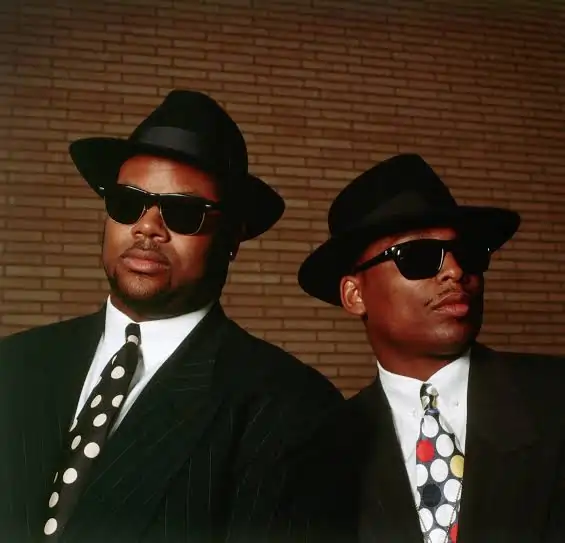
Jimmy Jam and Terry Lewis, the dynamic duo known for their Midas touch in R&B and pop music, boast net worths of $40-50 million and $55 million, respectively. Their long-time influence and success in creating hit after hit for a diverse array of artists, most notably Janet Jackson, make them one of the most iconic producer duos in the world.

T-Bone Burnett, with an annual income of $1.5 million and a net worth of $16 million, is a household name in the industry for his work in film soundtracks and collaborations with legendary artists, including Elvis Costello, Elton John and The Who. Bob Dylan's guitarist in the 1970s, his work in the movie industry includes soundtracks for The Big Lebowski, O Brother, Where Art Thou?, True Detective, and The Hunger Games.

A newer entry in the league of successful producers, Finneas O’Connell has already amassed a net worth of $20 million, which speaks volumes about his skyrocketing career, largely propelled by his collaborations with his sister, Billie Eilish.

Finally, MNEK, another rising star in the industry, recently surpassed the million-dollar mark in annual earnings, with a net worth that's estimated to be close to $7 million. His work writing and production credits include collaborations with Kylie Minogue, Christina Aguilera, Madonna, Beyoncé, and many more.
Conclusion
Just by looking at the impressive earnings of top-tier producers, it should be clear that the music industry is more than just artistic expression: it can also be a lucrative career path with virtually limitless earning potential.

So, if you're an aspiring musician or producer, I hope this article highlights that a career in the music industry requires a combination of talent, perseverance, adaptability, and business acumen. But if you can harmonize your artistic vision with the rhythms of the industry's economic opportunities, the sky's the limit in the world of music production!
FAQ
How much do major labels pay producers?
Usually, major record labels pay producers an advance ranging from $10,000 to $100,000+ per song. Producers also typically receive royalties between 2% and 4% per track. For independent artists, producers may charge $200 to $2,000 per song, sometimes without royalties.
Who makes the most royalties?
The highest royalties are earned by successful artists and songwriters, especially those with hits that gain widespread airplay and streaming. Royalties are usually split in half between the songwriter and the publisher.
Where do music producers make the most of their money?
Music producers often earn the most from working with major labels, which offer substantial advances and royalties. That’s followed by music for commercials, film scoring, and producing music for streaming platforms.
How much do ghost songwriters make?
The earnings of ghost songwriters vary immensely. Ghost songwriters are paid a flat fee per project or song, and the amount can range from a few hundred to tens of thousands of dollars. Usually, they're paid a flat fee between $10.000 and $20.000 and don't get any royalties from their work.

Exclusive AutoTune Content

AutoTune Pro
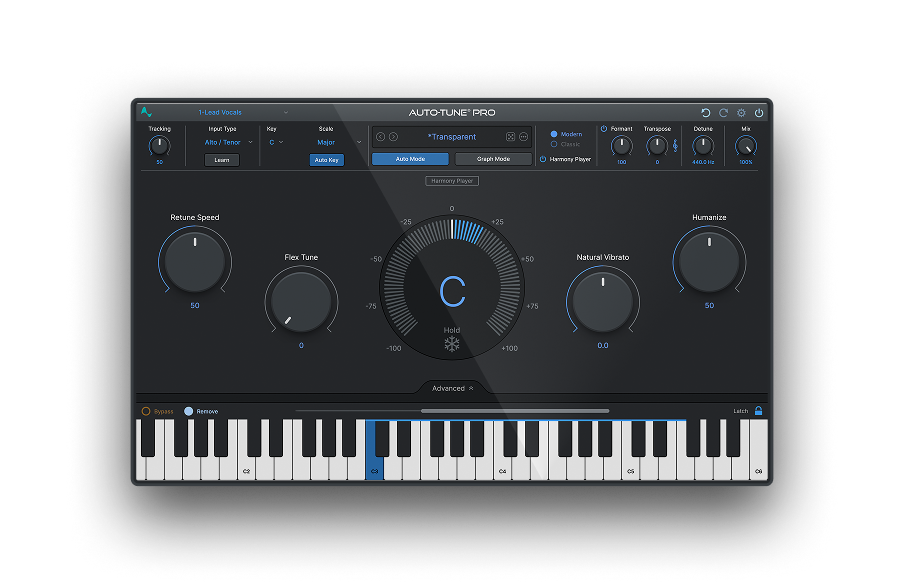

AutoTune Unlimited

AutoTune 2026 and Metamorph
Now Included

Antares Editorial
Antares is a leading developer of software for music recording and live performance. For over 20 years, Antares has powered the music of top-charting and indie artists with products including the industry standard for pitch correction, AutoTune™.