

Why do modern pop vocals sound so polished? Modern pop vocals sound perfect in 2026 because of three converging forces: widespread pitch correction tools, intentional vocal layering inside DAWs, and the streaming era's effect on listener expectations. Together, these shifted the standard from "fixing mistakes" to building precision into the production from the start.
Why pop vocals sound perfect in 2026:
- Baseline Standard: Pitch correction is now a fundamental part of the sound, not a fix for a bad take.
- Emotional Density: High-level vocal stacking creates the "wall of sound" listeners now expect.
- Exposure Reality: Short-form video means hooks are heard hundreds of times; every flaw is magnified.
- The Streaming Benchmark: Every new release is subconsciously compared to the top 0.1% of polished hits.
- Democratized Tools: Professional production power is now accessible to every independent artist.
Go back to records from the '70s and '80s and you'll hear it right away: notes that scoop into pitch, harmonies that drift slightly sharp, moments that feel human in a very raw way. Today, that same performance would probably never make it past the first mix revision.
Modern pop music sounds extremely polished. We're at a point where listeners don't just want tight harmonies and perfectly pitched vocals, they expect them. It's no longer about 'fixing' a performance, it's about meeting a professional standard that didn't previously exist.
How Streaming Change Vocal Standards?
The bar for "perfection" is higher than ever because the volume of competition has exploded. According to recent industry data from Midia Research, over 100,000 new tracks are uploaded to streaming platforms every single day. When a listener moves from a chart-topping hit to an indie discovery in the same playlist, they expect the same level of vocal clarity and pitch precision.
Streaming changed everything.
When listeners moved from physical albums to on-demand access, the competitive landscape shifted completely. The streaming era collapsed the walls of the local radio bubble. Now we see every new release is instantly benchmarked against a catalog of every great vocal performance in history. This shifted the baseline, pitch perfect vocals and huge harmonies are no longer luxuries, but the entry fee for the modern listeners attention. In that environment, even small flaws stand out. A vocal that feels slightly out of tune doesn't read as "human" anymore. It reads as unfinished compared to the 10 tracks that play after it. Playlists don't reward "almost," they reward polished.
As a result, the modern listener's ear has recalibrated. We've subconsciously trained ourselves to expect near-perfect pitch, clean vocal stacks, hyper-controlled dynamics, and zero distracting artifacts. What once felt robotic now feels professional.
Why Are Modern Pop Vocals Always Layered?
Listen closely to almost any charting pop record and you'll notice something: the lead vocal is rarely alone.
Underneath it, you'll often find a tight double reinforcing the center, a harmony a third above in the chorus, subtle octave layers for added weight, whisper tracks for texture, and stereo-spread stacks widening key phrases. What sounds like "a great singer" is often a carefully constructed vocal architecture.
This stacking trend exploded for two reasons. Modern DAWs made it accessible to anyone with a laptop and an interface, and listeners have come to associate density with emotion. A thin vocal feels demo-level. A layered vocal feels cinematic.
But stacking creates a new problem; if even one of those layers drifts out of pitch, the whole illusion collapses.
How Short-Form Video Redefined the Sound of Pop Vocals
Short-form video platforms accelerated this shift faster than almost any other force in music.
When a hook goes viral, it gets heard hundreds of times in isolation. That means listeners experience the vocal without the distraction of full-song context, and every detail gets exposed. That reality pushed vocal production toward even tighter pitch control, cleaner edits, and more refined harmony design. The hook has to survive repetition, and not just survive. It has to dominate.
Live Performance Raised the Bar
Tighter studio vocals created a feedback loop that nobody planned for.
As recordings became more precise, audience expectations for live performance climbed right alongside them. Fans now expect the same clarity and pitch accuracy in an arena that they hear through their headphones. That pressure feeds directly back into studio production. Artists want recordings that represent the strongest possible version of their voice, which pushes the studio standard even higher. Tighter production leads to higher listener expectations, which leads to higher performance standards, which leads to even tighter production.
Are Heavily Tuned Vocals Still Authentic?
This is where the conversation usually turns.
If vocals are tuned, layered, cleaned, and compressed, are they still authentic? The answer depends on how you define authenticity. Modern vocal production isn't about replacing talent. It's about preserving emotion while removing distraction. A pitch correction tool doesn't write melodies. Harmony Engine doesn't invent feeling. These tools refine delivery.
Listeners aren't responding to perfection for perfection's sake, they're responding to clarity. When nothing pulls you out of the moment, you stay inside the emotion of the song. That's the goal.
How are pop vocals produced in 2026? Invisible Tools!
Achieving this sound involves a specific, professional workflow:
- Capture with Auto-Key: Producers use Auto-Key to detect the song's scale before tracking so the pitch correction is perfectly aligned.
- Real-time Monitoring: The vocalist hears themselves with AutoTune active during the performance. This allows them to push their expression while the software handles the micro-pitch drifts.
- The 15/25 Rule: For a natural but "perfect" sound, producers often set the Retune Speed between 15 and 25. This keeps the vocal transparent without any metallic artifacts.
- Humanize and Flex-Tune: Final touches involve using the Humanize function to preserve the singer's natural vibrato on sustained notes.
Most listeners never think about how vocals are produced, they just know when something feels finished.
Behind the scenes, modern pop vocals typically involve precise pitch correction to lock in key and scale, intentional harmony design rather than random stacking, controlled compression to maintain energy throughout the track, de-essing to keep high frequencies smooth, and reverb choices that create space without washing out clarity.
None of this is flashy, and none of it draws attention to itself. That's the point. The best vocal production is invisible.
What This Means for Independent Artists
You don't need a million-dollar studio to compete anymore.
The tools that shaped the sound of mainstream pop are now available inside a laptop. What once required a serious budget is now accessible to anyone willing to learn the workflow. The gap between an "industry vocal" and a "bedroom vocal" isn't talent, it's technique.
Understanding why modern vocals sound the way they do is the first step toward building records that feel like they belong in the same playlist as everything else.
Build Your Sound with Pitch Correction Software
If your vocals feel thin, slightly off, or like they don't sit next to modern releases, it's usually not a performance issue–it's structure.
Start with a clean lead, lock it into the correct key, and build intentional harmonies instead of random doubles. Shape the tone, control the dynamics, and add space without losing focus. That's the workflow behind most of the records you're hearing right now.
Tools like AutoTune 2026 and Harmony Engine exist for exactly this reason, not to change your voice, but to help it translate in a landscape where precision is the norm. Used with intention, they can help take your tracks from demos to hits.
Once you understand that, modern pop vocals stop feeling mysterious. They start feeling buildable. The professional standard for vocals is no longer a gatekept secret. Whether you are tracking your first demo or mixing a final master, tools like AutoTune 2026 provide the precision needed to compete in today’s streaming landscape. You can explore the different versions to see which one aligns with your current production setup.

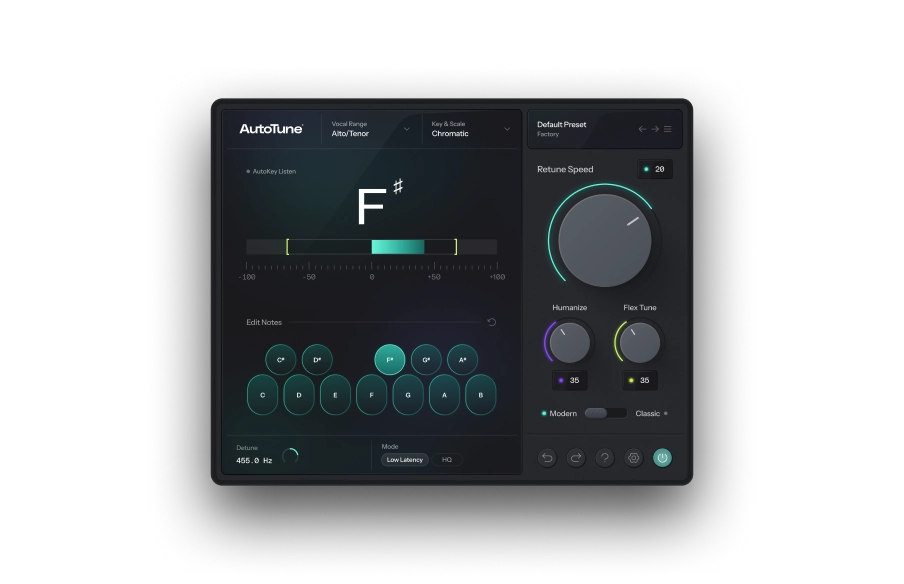
AutoTune 2026
Pro Vocals in Seconds

Exclusive AutoTune Content

AutoTune 2026

AutoTune Unlimited
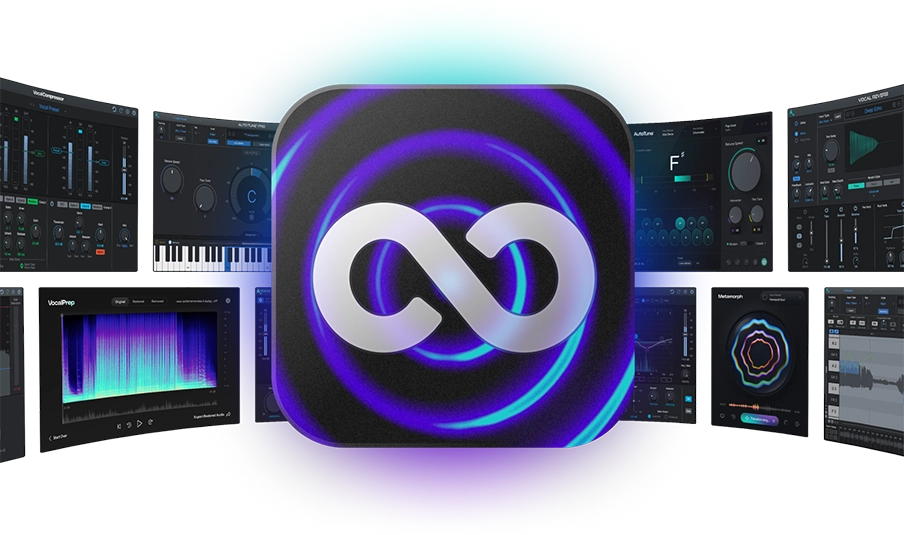
AutoTune 2026 and Metamorph
Now Included

Antares Editorial
Antares is a leading developer of software for music recording and live performance. For over 20 years, Antares has powered the music of top-charting and indie artists with products including the industry standard for pitch correction, AutoTune™.