
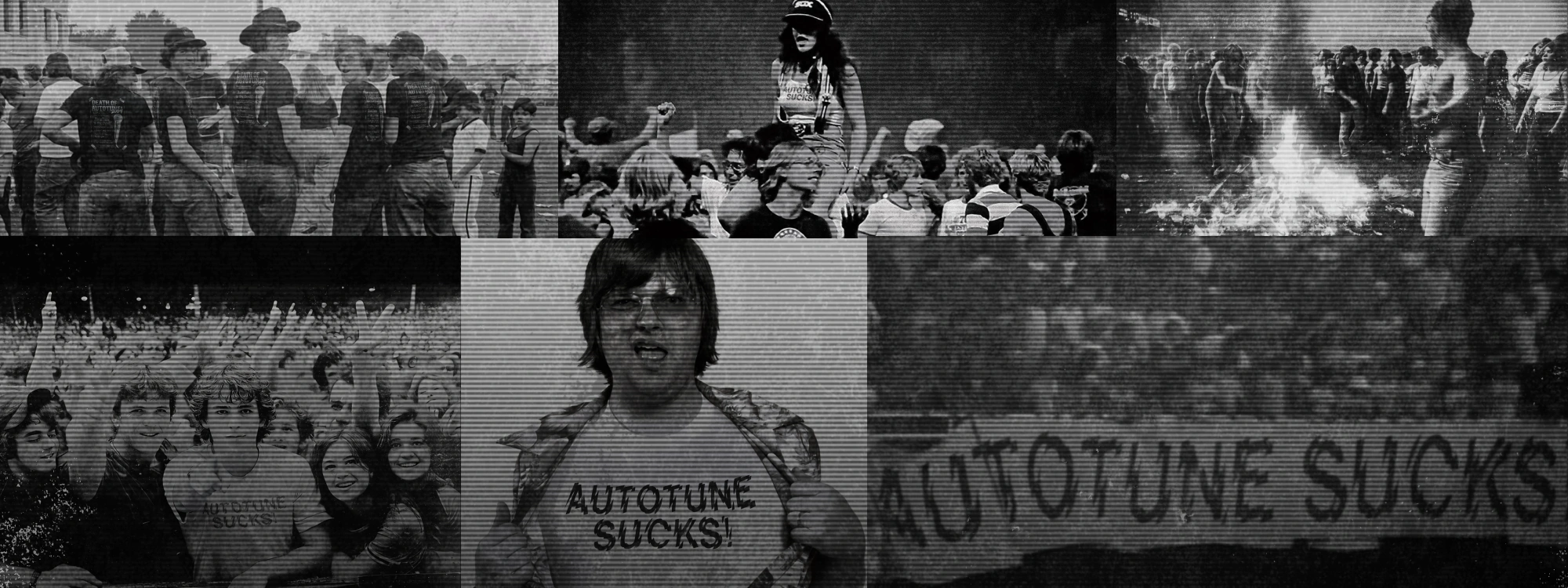
"This is anti-AutoTune, death of the ringtone."
Sixteen years ago today, Jay-Z dropped what he thought would be AutoTune's obituary. Instead, he accidentally wrote its comeback story. Welcome to the most ironic anniversary in music history: Death of AutoTune Day, a celebration of how spectacularly wrong even hip-hop royalty can be about the future of music.
The Day AutoTune "Died" (Spoiler: It Didn't)
Picture this: It's 2009. AutoTune is everywhere and turning many artists into high rising chart-toppers, including making T-Pain a household name. Critics are furious. Purists are clutching their vinyl collections. And Jay-Z? He's had enough.
On June 23, 2009, Hov released "D.O.A. (Death of Auto-Tune)", a sonic manifesto that was equal parts battle cry and funeral dirge. The track wasn't just a song; it was a cultural intervention. Jay-Z positioned himself as the arbiter of "real" hip-hop, calling out artists who relied on pitch correction as a crutch rather than developing actual vocal talent.
The impact was immediate. Radio DJs treated it like breaking news. Producers scrambled to distance themselves from the effect. For a hot minute, it seemed like Jay-Z might actually succeed in killing AutoTune.
Plot twist: He didn't even leave a scratch.
The Empire Strikes Back: T-Pain's Revenge
While Jay-Z was hosting AutoTune's funeral, T-Pain was busy planning one of the greatest mic drops in music history, he later proved he could sing circles around most artists without any digital assistance.
The irony was delicious. One of the first known for AutoTune "abuse" turned out to be one of the most naturally gifted vocalists in the game. T-Pain wasn't using AutoTune to hide; he was using it to create. There's a difference, and that difference would define the next decade of music.
Meanwhile, other artists began treating AutoTune more like an instrument. Bon Iver turned it into an ethereal voice modulator on "Bon Iver, Bon Iver" (2011). Kanye West weaponized it to channel heartbreak on "808s & Heartbreak." Even current 2025 darlings Charli XCX and Lil Uzi Vert create new sounds and break modern genre barriers using the effect.
Now in the 2020's, AutoTune is seen as normal and expected. Pop stars, rappers, indie musicians, EDM producers, and even country artists are using it in some form. Whether subtle or dramatic, pitch correction has become a key part of how modern vocals are made.
The Meme-ification of Music Technology
Perhaps nothing saved AutoTune quite like the internet's ability to turn anything into comedy gold. Remember "AutoTune the News"? Those viral videos transformed pitch correction from a controversial production technique into a source of entertainment.
Suddenly, AutoTune wasn't just for musicians, it was for everyone with a YouTube account and a sense of humor. The technology that critics claimed was ruining music became the soundtrack to internet culture. Every news blooper, every viral moment, every meme-worthy speech got the AutoTune treatment.
The backlash backlashed. What was once seen as artificial became endearing. What was criticized as lazy became creative. The internet had spoken: AutoTune wasn't going anywhere.
The Plot Twist Nobody Saw Coming
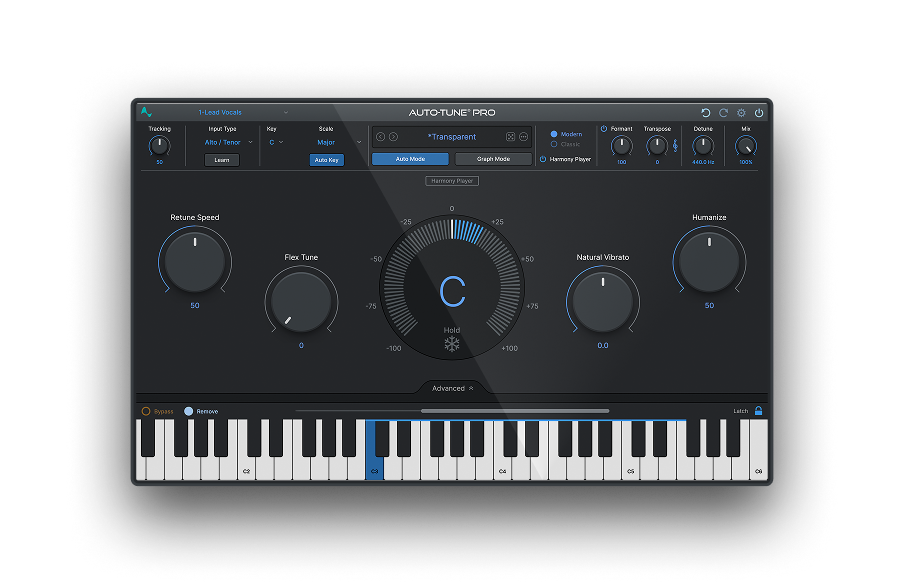
Fast forward to 2025, and AutoTune isn't just alive, it's evolved into something Jay-Z probably couldn't have imagined. AutoTune Pro 11 uses machine-learning to create real-time vocal production that goes far beyond simple pitch correction. Vocal EQ automatically adjusts based on the tone and phrasing of your voice. Reverb and delay effects now follow your voice and adjust to your timing and delivery. It's not just fixing notes; it's responding to emotional nuance, generating harmonies, and adapting effects to match a singer's intention.
Today's AutoTune can detect the subtle crack in a voice during an emotional passage and enhance it rather than erase it. It can distinguish between intentional vocal styling and actual pitch issues. It's less of a correction tool and more of a collaborative vocal producer.
The technology that was once accused of making all singers sound the same now helps artists sound more uniquely themselves than ever. The irony is almost too perfect.
What "Death of AutoTune Day" Really Means
Every June 23, the music industry inadvertently celebrates one of its greatest miscalculations. But perhaps that's exactly why we should commemorate this day. It's a reminder that innovation doesn't die because influential people declare it dead. It evolves, adapts, and often becomes something entirely unexpected.
Jay-Z's "D.O.A." didn't kill AutoTune, it forced it to grow up. The backlash pushed developers to create more sophisticated tools. It challenged artists to use pitch correction more creatively. It sparked conversations about authenticity in music that continue today.
In trying to bury AutoTune, Jay-Z accidentally helped it level up.
The Lesson Hidden in the Irony
As we mark another Death of AutoTune Day, the real story isn't about who was right or wrong. It's about how music, like all art, refuses to be constrained by declarations or manifestos. Technology and creativity aren't opposing forces, they're dance partners, sometimes stepping on each other's toes but ultimately creating something neither could achieve alone.
So raise a glass (preferably AutoTuned) to June 23, the day AutoTune died and was reborn stronger than ever. Because if there's one thing music history teaches us, it's that the future rarely sounds like what we expect.
And somewhere, T-Pain is probably laughing.
Now Let’s Celebrate Our Non-Death with Something Special
Death of AutoTune Day Sale: 50% Off Everything AutoTune
Just as AutoTune refused to stay buried in 2009, these deals refuse to stay hidden. Now through June 30th, we're marking this anniversary with half-price access to the technology that simply won't die.

Exclusive AutoTune Content

AutoTune Pro

AutoTune Unlimited
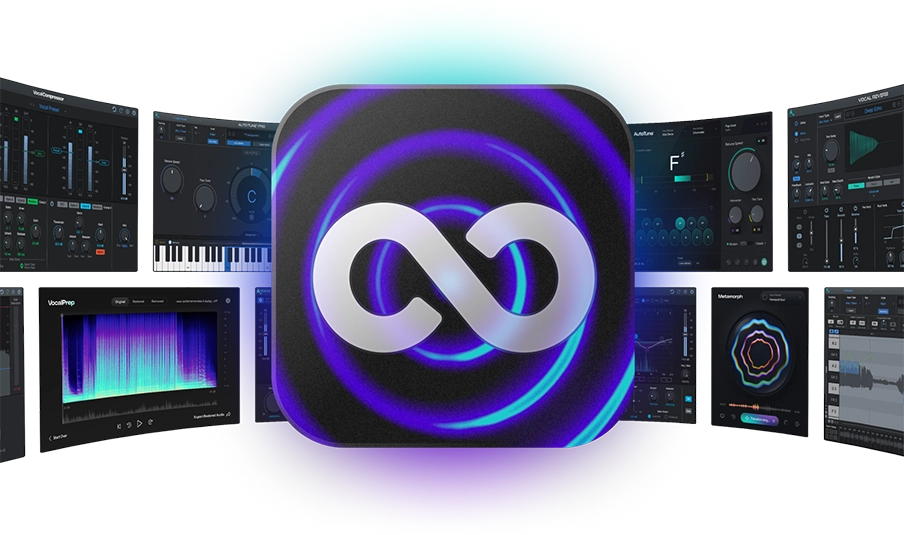
AutoTune 2026 and Metamorph
Now Included
Written by: Brian Davitt
Senior Manager, GTM at AutoTune
Brian has 15+ years of experience in the music industry, transitioning from his early 2000s roots touring with bands to becoming an audio engineering professional after earning his degree in 2011. Before joining AutoTune, Brian built his expertise working with legendary music technology brands including M-Audio, HeadRushFX, and Akai Pro. When he's not developing marketing strategies for AutoTune, Brian rocks out with his Math Rock band Between 3&4.