
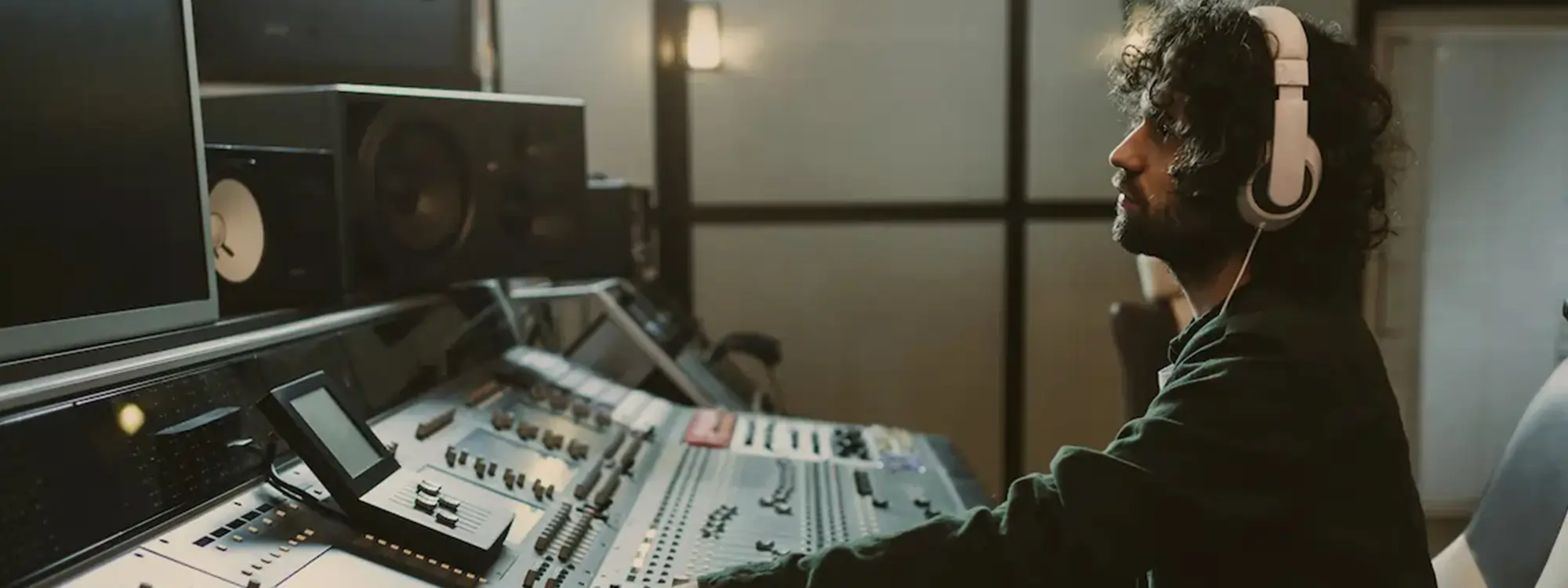
What is Sound Design?
A great movie is more than mind-blowing visuals: it's a sensory experience that can mesmerize you and take you to the imaginary place where the story takes place. To bring to life a film that inspires viewers, you need immersive audio that enhances the feelings evoked by the story. Sound design and sound editing are two audio post-production processes that help film directors create the perfect soundscape for their movies.

It was in 1979 when the term "sound designer" was used as a credit in a movie for the first time. Francis Ford Coppola called Walter Murch a Sound Designer for his work on Apocalypse Now. It shouldn't come as a surprise, given the importance of sounds in the movie's moods and atmospheres.
A Sound Designer is a technical and creative engineer who creates soundscapes by incorporating ambient sounds and sound effects. The main objective of a sound designer is to recreate a realistic sonic palette that the viewers can associate with real-life sounds.
In a historical drama, the role of a sound designer is to recreate the soundscape of the time in the most realistic way, using recordings, real-life sounds, and digital libraries. The more realistic the result, the more immersive the movie will be.
To have a better grasp of the concepts behind sound design, let's take a look at its six fundamental elements.
Six Elements of Sound Design
Foley Sounds
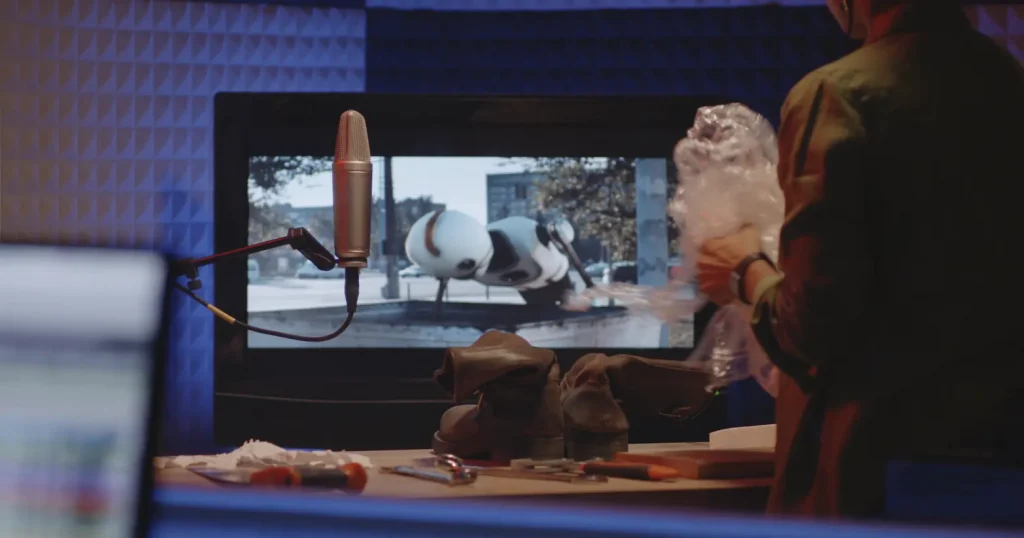
This is the process of recreating the sound of what people see in the video. Imagine a fight choreography where stunt performers fight each other barehand, indoors: the sound of punches and furniture breaking need to be recreated and magnified in post-production. Today sound designers mostly use sound libraries, where they can find most of the sounds featured in movies, but back in the day, sound designers would go out and record the audio themselves (which still happens today, though more rarely).
Voice-over

Recording and editing voice-over actors fall within the duties of sound designers. Voice-over can be in the form of narration (think of David Attenborough's documentaries) or dubbing. Both processes require the sound designer to blend the external voices with the rest of the soundscape to make the characters sound realistic and natural.
Ambiance
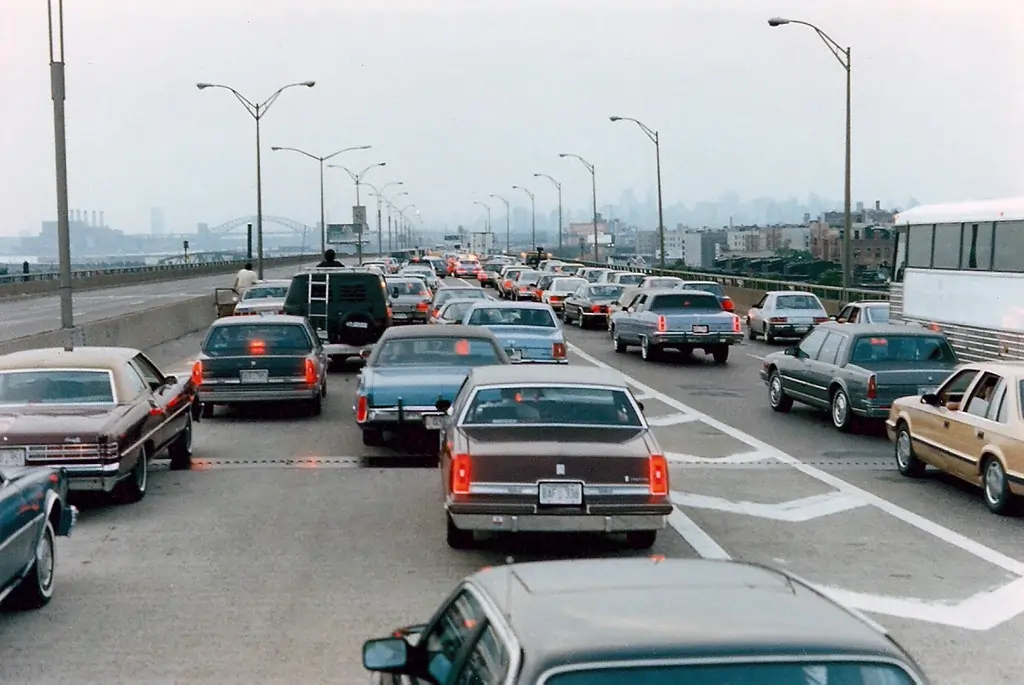
More than anywhere else, here's where sound designers' importance and true genius come into play. The ambiance is the ability to create context through sounds, giving the audience an idea of time and place using a tailored sonic palette. Creating the perfect sound texture requires deep knowledge of the film settings. Imagine being the sound designer for a police movie set in the 1970s: you'll need to find the sound of cars from that era (and likely not just any car, but the one showing on screen), recreate the street noise, and discover how everyday tools sounded back then!
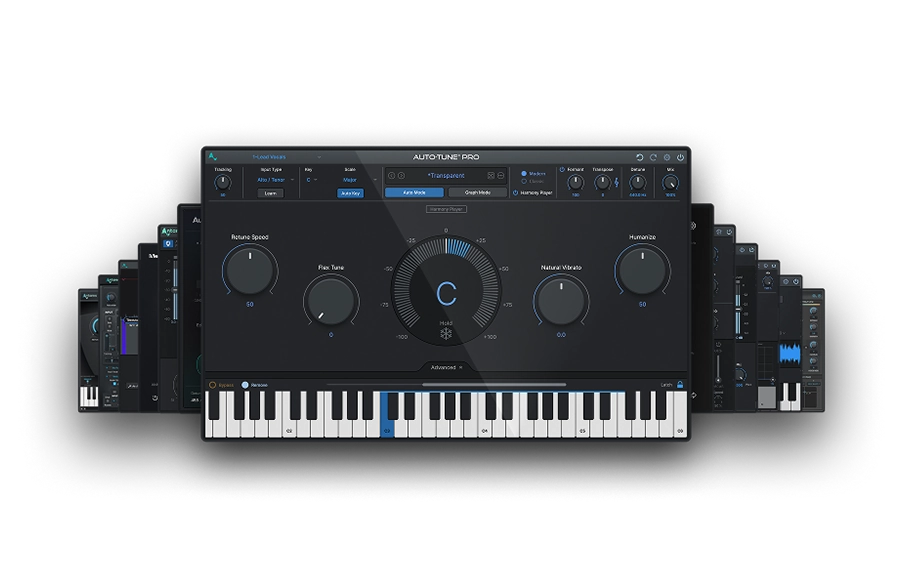
AutoTune Unlimited
The Ultimate Vocal Production Suite
Audio Effects
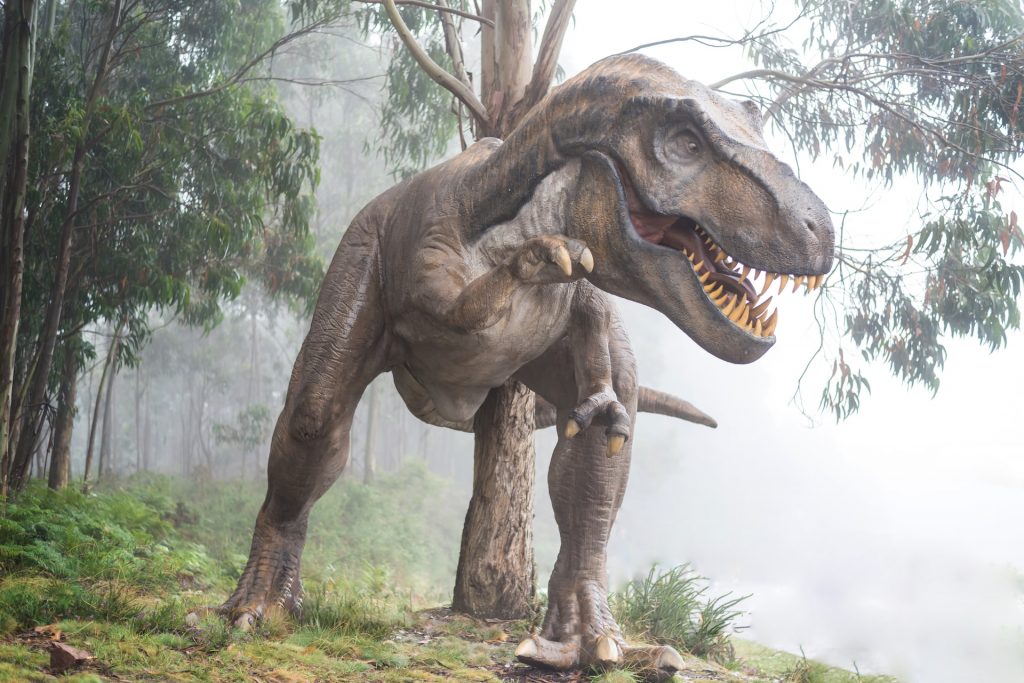
Audio effects are used to create new sounds from scratch. If there's a sound that has no correspondence in real life, like the roar of a Tyrannosaurus Rex, sound designers create a sound using synths or combining field recordings and existing sound libraries.
Music
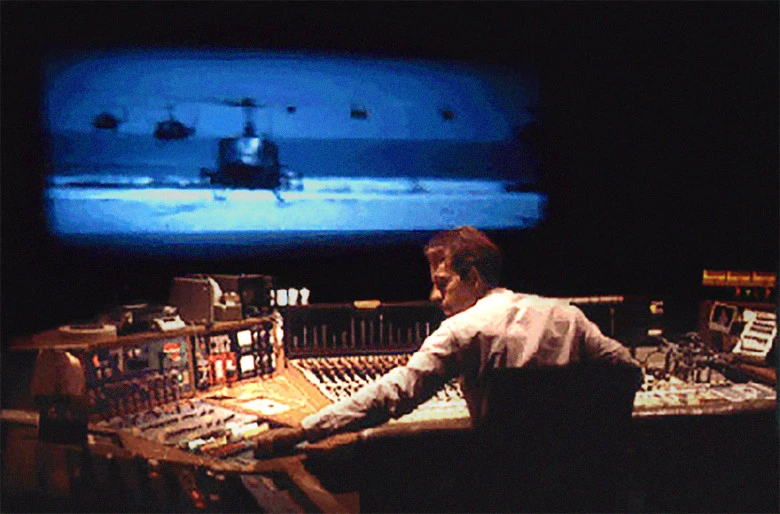
Music is a crucial aspect of sound design and involves not only adding a soundtrack to the movie but also music that's played in the movie through cars and speakers. Therefore, the role of sound designers is to create a sonic texture both within the movie scene and without.
Live Microphones
This is common in theatre and live events, where the sounds coming from multiple microphones must be mixed to enhance certain aspects of the play or give more importance to the main characters.

In the movie industry, the role of sound designers has grown immensely over the last fifty years. Speaking of recent remarkable sound design works, Villeneuve's Dune is an astonishing achievement in sound design: an immersive soundscape and a powerful score that magnifies the visually thrilling scenes. A celebration of the importance of sounds in modern-day cinema.
Sound design is also about finding the perfect vocal effects to create memorable scenes and settings. The history of science fiction cinema abounds with examples of iconic characters brought to life thanks to unique voices and sound effects; from Doctor Who's Daleks to Darth Vader's unmistakable voice, movies and TV series require unforgettable vocal effects to give audiences something to remember for years to come.
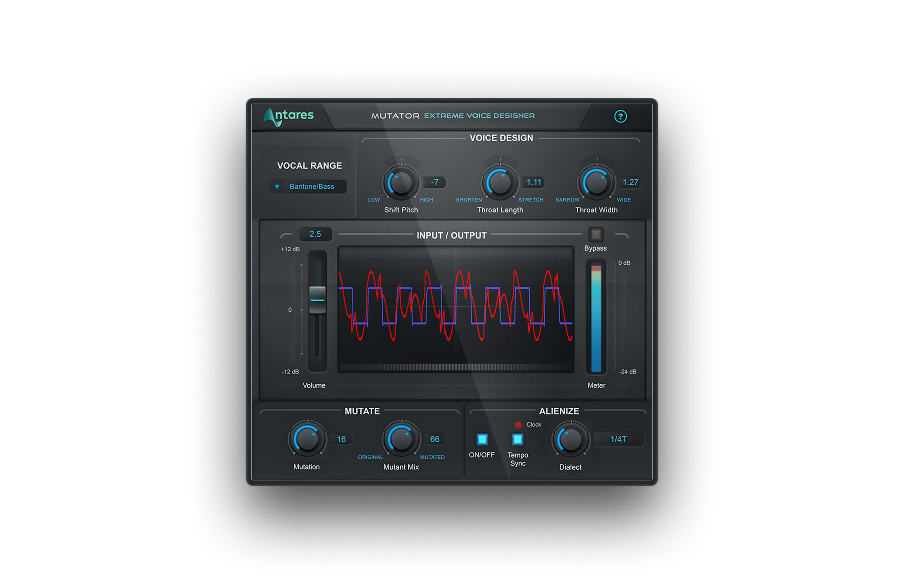
While years ago, sound designers had to rely exclusively on analog effects to alter sounds, today, everything you need to create a unique vocal effect is in Mutator, a sound design tool developed by Antares to help you craft a voice no one has ever heard before.
From ring modulation to professional pitch shifting, Modulator gives you full control over vocals, allowing you to apply both natural and alien-sounding effects through the Throat Length and Throat Width controls. The Alienize effect will make vocals sound otherworldly, while the fully-customizable vocal controls will help you craft a unique voice from scratch.
AutoTune Unlimited
The Ultimate Vocal Production Suite
Sound Editing
Sound editors change, improve, or remove parts of audio recordings. This is a necessary step in all productions involving recorded sound, from album recordings to movies. Sound editing takes place during post-production when editing a film or TV show.

Sound editing makes audio sound more professional, dialogues more fluid, and the overall soundscape more authentic. Sound editors are audio engineers who can enhance specific frequencies and aspects of the audio while mitigating other parts, creating a sonic texture that aligns with the visuals they accompany.
Sound mixing or sound engineering is the final step in audio post-production for movies. This process involves balancing and equalizing the volume levels, panning tracks to specific speakers (or channels), and ensuring all sounds are in sync with the picture. Sound mixing aims to ensure audio will sound perfect on all broadcasting media, from cinemas to smartphone screens.
In the amazing digital age we live in, with its endless possibilities for audio engineers and music producers, we have many tools we can use to edit and mix sounds efficiently, regardless of our project's budget. However, certain rules apply to all projects and will ensure a professional result even if you just started exploring the world of audio post-production.
If you want to learn more about this fascinating craft, we recommend you check out our article about the Top 9 Mixing Mistakes You Should Avoid.
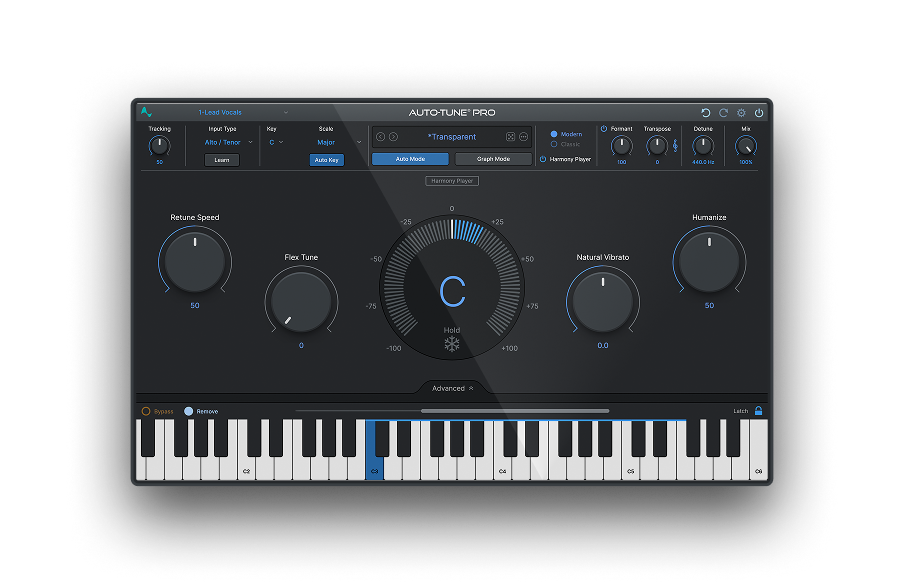
Certain tools are a must-have in the filmmaking industry if you want to achieve remarkable results, and there's no doubt that among them are the legendary Auto-Tune tools. From subtle corrections to powerful vocal effects, Auto-Tune Pro offers a broad range of effects that will add color to your sonic palette and make your final product unique and professional.
What is the Difference Between Sound Design and Sound Editing?
Sound design and sound editing are two sides of the same coin, so it's not uncommon for someone to be a project's sound editor and designer. After all, the two fields have many characteristics in common.
While the sound designer focuses on creating the perfect soundscape for the movie they're working on, the sound editor will ensure each sonic element is carefully balanced and that the final effect is authentic and realistic; they'll do so by removing unnecessary sounds or parts of the audio, enhancing or mitigating specific sound frequencies, mixing and manipulating all audio tracks together so that the soundscape will feel natural and coherent on all devices.
In a way, sound designers are more like audio curators: they ensure the audio applied is in line with the project's settings and atmospheres. They use sound libraries and bespoke effects to create an immersive sound experience. Sound editors manipulate sounds so that the finalized project will meet the audio standards of the industry.
Frequently Asked Questions
What is sound design?
Sound design is the creative process of generating, recording, manipulating, and arranging audio elements to support storytelling in film, TV, video games, theater, and music production. It includes everything from synthesizing alien creature voices to layering Foley footsteps, building ambient soundscapes, and shaping signature sonic textures using synthesizers, samplers, and plug-ins.
What is sound editing?
Sound editing is the technical process of cutting, cleaning, syncing, and assembling recorded audio so that dialogue, effects, and music align cleanly with picture or arrangement. It involves removing noise and clicks, trimming takes, time-aligning to video frames, and preparing a polished session for the mixing engineer. Editing precedes mixing and mastering in the post-production chain.
What does a sound designer do?
A sound designer creates and curates the sonic identity of a project, building original sounds and choosing, layering, and processing audio elements to evoke mood, location, or character. Day-to-day work includes recording Foley, synthesizing effects, designing UI sounds for games, programming reverbs and delays, and collaborating with directors, composers, and editors to deliver a unified soundscape.
What's the difference between sound design and sound mixing?
Sound design is about creating and assembling individual sound elements, while sound mixing is about balancing all those elements together — adjusting volumes, pan, EQ, dynamics, and spatial effects so the final track translates well across speakers and headphones. Sound design happens early in production; mixing happens near the end, just before mastering.
What software is used for sound design?
Common sound design tools include DAWs like Pro Tools, Logic Pro, Ableton Live, and Reaper; synthesizers such as Serum, Massive, and Omnisphere; sample-manipulation tools like Kontakt and Granulator; and specialized vocal/sound effects plug-ins like Auto-Tune, Metamorph, and iZotope RX. Most professional sound designers use a combination of synthesis, sampling, field recording, and creative audio plug-ins.
AutoTune Unlimited
The Ultimate Vocal Production Suite

Exclusive AutoTune Content
AutoTune Pro
Mutator

AutoTune Unlimited
AutoTune 2026 and Metamorph
Now Included

Antares Editorial
Antares is a leading developer of software for music recording and live performance. For over 20 years, Antares has powered the music of top-charting and indie artists with products including the industry standard for pitch correction, AutoTune™.