
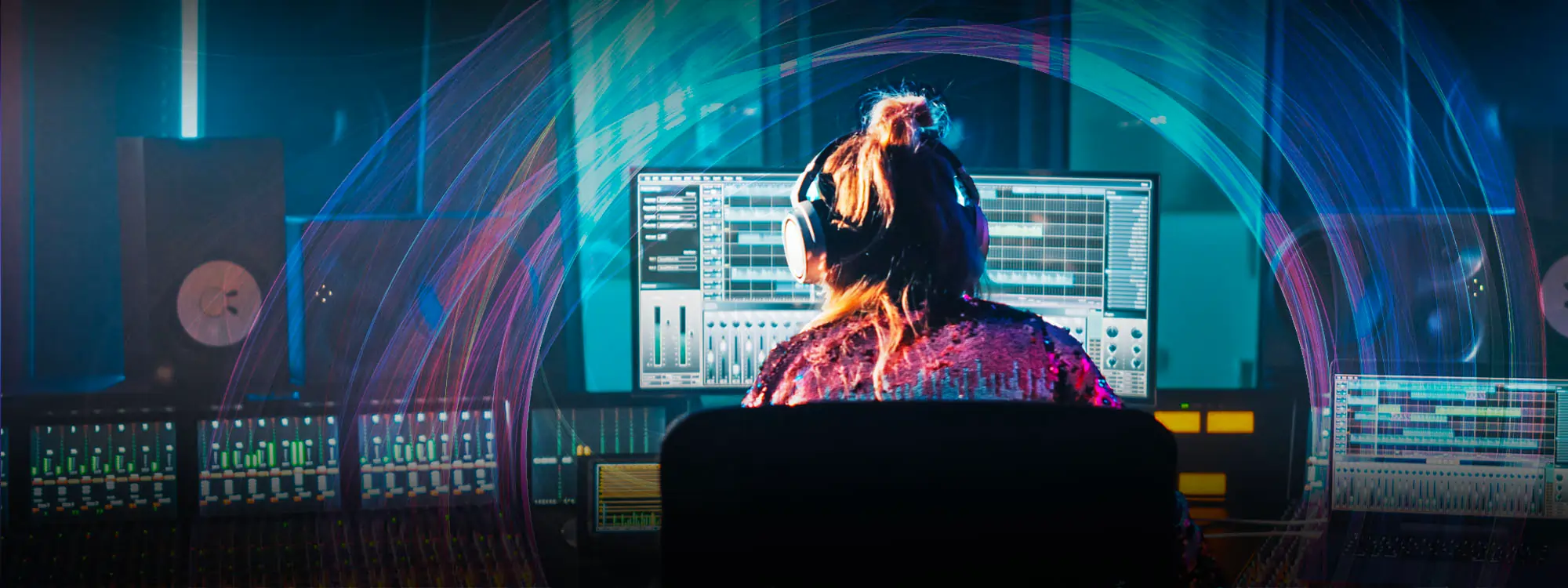
Since the dawn of music recording, audio engineers have played a critical role in bringing recorded sounds of the highest possible quality to life. As the technology for sound recording and reproduction evolved, so did the various roles of audio engineers: from capturing sounds to mixing and mastering music to making it sound professional on all playback devices; these audio experts are the secret ingredient of many successful artists.
This article will highlight some of the most crucial tasks audio engineers undertake.
What Is an Audio Engineer?
An audio engineer is a professional with knowledge of and experience in sound theory, acoustics, recording technology, and how the signal flows naturally. Most engineers use digital equipment these days to capture and manipulate audio using electronic hardware and software. Oftentimes, they will try to emulate the sound of analog equipment to make the recording sound as natural as possible.
Audio engineers are experts in enhancing and manipulating signals by applying different mixing techniques to produce a high-quality recording where all the elements are carefully balanced and blended. The final result is audio that sounds pleasant to the ears regardless of how listeners experience it (earphones, headphones, stereo or mono speakers, and so on).
What Does an Audio Engineer Do?
Since audio engineers can be specialized in certain fields, their responsibilities vary depending on their expertise.

Produce Quality Recordings
The most important responsibility of a recording engineer is to capture audio from a defined sound source. They utilize a wide range of miking techniques, analyze the acoustics of the room they’re recording in, and apply their understanding of audio theory to determine the best microphone placement for the situation, whether they’re recording musical instruments, vocals or natural sounds.
Some of the responsibilities of a recording engineer are to set up audio equipment by connecting cables, microphones, and instruments and test them, as well as provide replacements or fix equipment if something breaks.
Operate a Recording Studio
Keeping a recording studio operational is another role of a recording engineer. This includes general maintenance of the studio equipment, troubleshooting technical issues, ensuring proper mic placements, audio signal routing, and amp knob settings, as well as advising musicians on how to use the equipment properly.
Mixing Recordings
After recording a session, the mixing engineer will take over the editing process to mix all the tracks into a finished audio track. The mixing process requires knowing how to properly use a digital audio workstation (DAW) to arrange all the recorded tracks, use mixing techniques and effects like reverb, equalization (EQ), noise removal, distortions, compression, panning, and adjust sound levels and dynamics to make every voice or instrument to sound pristine and precisely how the artists envisioned them.
The objective is to create a solid, well-balanced, pleasing sound ready for mastering.
Mastering the Final Mix
The mastering process is the last step in audio post-production—the finishing touches before sending the track out for distribution.
A mastering engineer must ensure that the final result meets industry standards on every playback system. Not everyone listens to music and movies on hi-fi speakers or headphones; most people use smartphones, TVs, computer speakers, earbuds, and car stereos. A mastering engineer's job is to provide the same audio experience for every audio device.

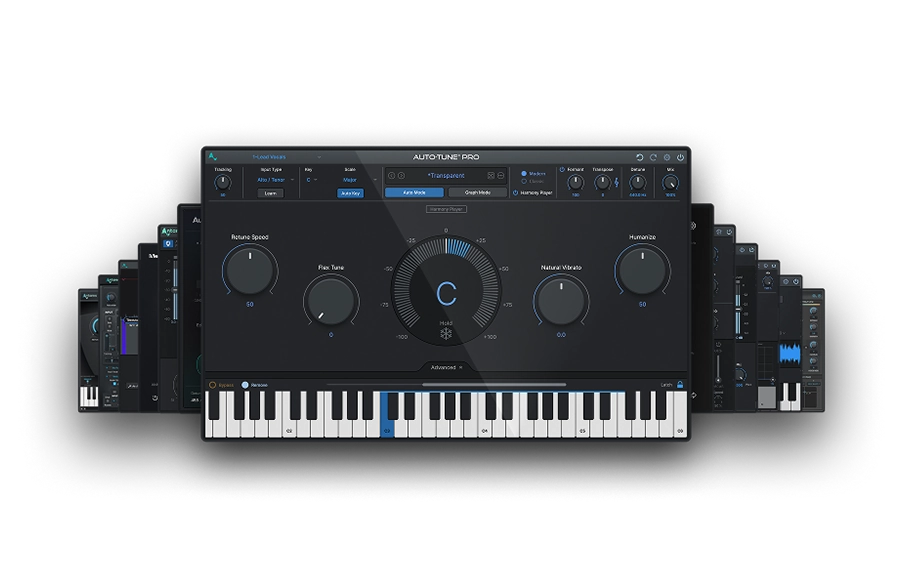
AutoTune Unlimited
The Ultimate Vocal Production Suite
Where Do Audio Engineers Work?
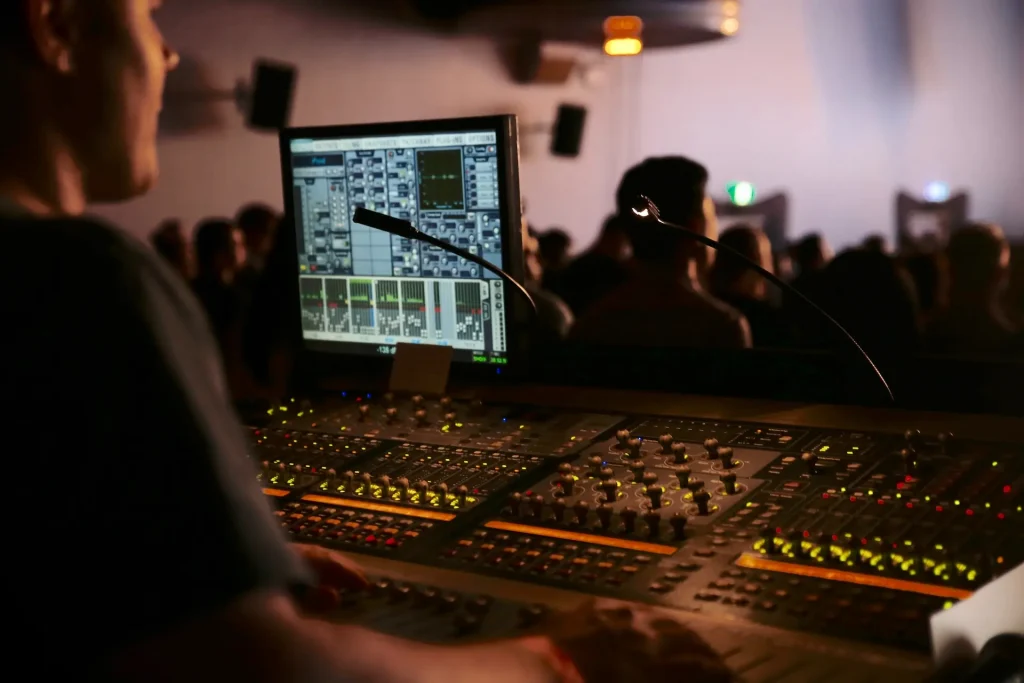
Music Recording Studios
Most audio engineers work in music production studios, recording, mixing, and mastering songs and full albums. They work side by side with artists and producers to bring their vision to life, which means they need to communicate with the artists and other engineers involved in the process to define objectives and the music’s direction.
Radio Stations
Audio and sound engineers in broadcast studios like radio stations mix live audio. They ensure the hosts’ voices can be heard clearly, cue background music and sound effects, and ensure the audio quality is in line with broadcasting standards. They’re also responsible for keeping all microphones in working order and troubleshooting issues.
Film and Television Studios
In film or television recordings, audio engineers must move to the chosen locations and place microphones on actors and on the set for optimal recording quality. They’re responsible for bringing all the equipment needed and preparing everything before filming. After recording, audio engineers will edit and mix the audio to blend seamlessly with the visuals.
Live Concerts
During live events such as concerts, sports events, theaters, and even school events, the audio engineer is tasked with setting up all the required equipment, testing, and mixing the audio. The engineer makes the audio enjoyable in real-time by preventing interference, high-pitch noises, distortion, and feedback. In a music show or concert, the audio engineer will monitor how the music sounds off-stage and pay attention to what the musicians need.
AutoTune Unlimited
The Ultimate Vocal Production Suite
What Are the Different Types of Audio Engineers?
Recording Engineer
The role of a recording engineer is to ensure the recording is done professionally. In a recording studio, everyone expects the engineer to know how to achieve the perfect sound for every element, whether it be vocals, guitars, or drums.
Similarly, when recording outside of a professional studio, engineers must know how to capture natural sounds with the proper equipment: when to use a ribbon mic instead of a dynamic mic, when to place a lapel mic in an actor’s hair and not their chest, and other technical knowledge like audio signal processing, acoustics, and proper handling of studio equipment.
Mixing Engineer
The mixing engineer will take the recordings and create the mix by blending, adjusting volumes, applying effects, and mixing techniques to create the perfect sound. Depending on the project the audio engineer is working on, they may work with songs, sound effects, foley sounds, or live audio.
A successful mixing engineer requires an excellent ear for identifying little details, such as frequencies that need to be reduced or boosted with EQ, to craft a cohesive mix.
Mastering Engineer
A mastering engineer works on the final mix to shape the sound and adjust the overall volume to comply with the various audio format’s requirements. A mastering engineer’s aim is to prepare a track for distribution on online streaming platforms, CD, Vinyl, and more, ensuring the same experience across all platforms and audio devices.
Live Sound Engineer
The role of a live sound engineer is to work exclusively on live events. Their duties include audio equipment setup, testing audio gear, capturing audio through microphones, adjusting the volume for each speaker or instrument, and being alert for any issues that may occur during the event. Multitasking is crucial in this role, and attention to detail to detect and solve problems on the spot.
What Skills Do You Need to Become an Audio Engineer?
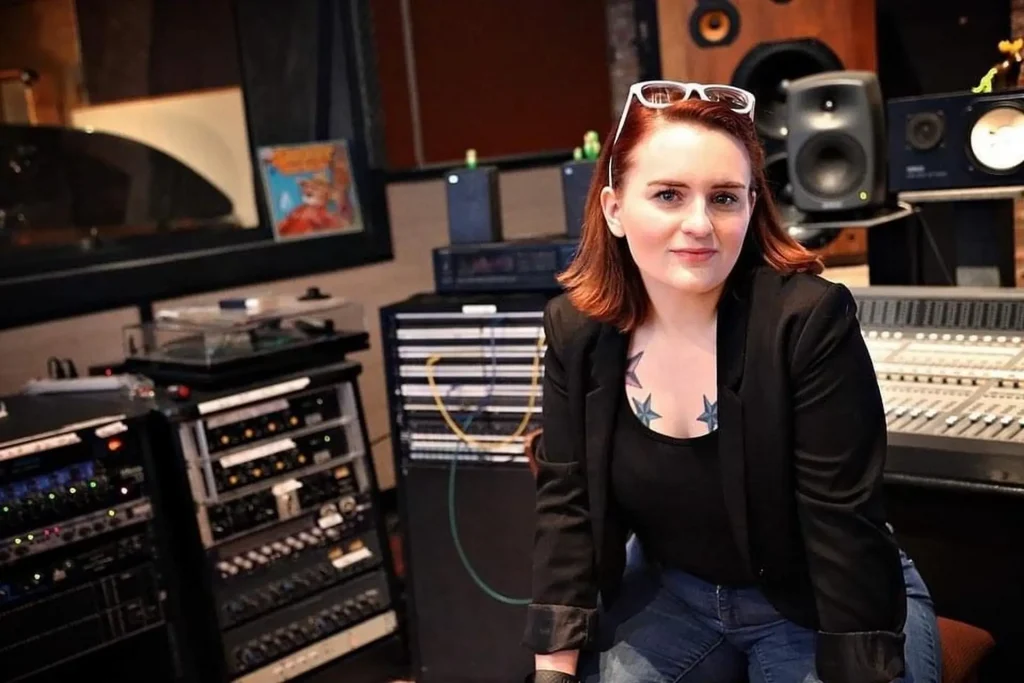
If you feel like this is your dream job but are still wondering what skills you need, here’s a list of the desired knowledge and technical skills to help you become a successful audio engineer.
The first thing is to learn some basics of music theory, like keys, scales, tempo, and chord progressions, especially if you aim to work in music production. Other essential skills include acoustics, sound science, and recording techniques.
These are some of the general skills that will also be expected from you:
- Know how to operate audio equipment
- Installation of studio equipment
- Miking techniques
- Recording, mixing, and mastering skills
- Audio editing
- Be proficient in your digital audio workstation (DAW) of choice
- Know how to properly use effects such as EQ, and compression
- Troubleshooting
- Know how to detect and repair audio gear
Since you'll work with other people, soft skills will be needed, too, like good communication, coordination, time management, and organization.
How to Start Your Audio Engineering Career
Audio engineers are behind every sound in music, movies, video games, theaters, and sports games. Think of it the next time you go to the cinema, put your favorite record on, or watch TV!
Whichever path you choose, having a basic understanding of music theory, acoustics, and audio equipment operation will be critical, as well as learning how to use a DAW to record, mix, and master music.
Good luck!
Frequently Asked Questions
What is audio engineering?
Audio engineering is the technical discipline of capturing, manipulating, mixing, and reproducing sound for music, film, broadcast, podcasts, and live performance. It combines acoustic science, signal processing, and creative judgment to translate raw audio into a polished final product. Audio engineers work with microphones, mixing consoles, DAWs (digital audio workstations), and plug-ins like Auto-Tune to shape sound.
What does an audio engineer do?
An audio engineer records, edits, mixes, and masters audio across recording sessions, live shows, broadcasts, and post-production. Day-to-day work includes setting up mics, balancing levels, applying EQ and compression, removing noise, and ensuring final output meets technical loudness and quality standards. Specialized engineers may focus on mixing, mastering, live sound reinforcement, or game and film audio.
How do you become an audio engineer?
Most audio engineers start by learning a DAW (such as Pro Tools, Logic Pro, or Ableton Live), gaining hands-on recording experience, and either completing a 1–4 year audio program or self-teaching while interning at a studio. A degree is not required, but a strong portfolio, working knowledge of signal flow and acoustics, and 2–5 years of assistant or freelance experience are typically essential to land paid roles.
What's the difference between an audio engineer and a music producer?
An audio engineer handles the technical side — recording, mixing, and mastering the sound — while a music producer oversees the creative direction of a song, including arrangement, performance choices, and overall vision. Many professionals do both, especially in modern home and project studios, but at the highest levels they remain distinct roles with different deliverables and compensation structures.
What are the main types of audio engineers?
The main types are recording engineers (capture performances in the studio), mixing engineers (balance and shape multitrack recordings), mastering engineers (finalize tracks for release), live sound engineers (run front-of-house and monitors at concerts), broadcast engineers (work in radio/TV), and post-production engineers (handle dialogue, foley, and sound design for film, TV, and games). Each requires distinct skills, gear, and workflows.
What skills do you need to become an audio engineer?
The core technical skills for audio engineering are proficiency in a DAW, microphone placement and recording technique, audio signal flow, mixing with EQ and compression, and mastering to loudness standards. A working knowledge of music theory — keys, scales, tempo and dynamics — is essential for anyone working in music production. Equally important are soft skills: communication, attention to detail and the ability to troubleshoot equipment under pressure. Most audio engineers develop these skills through a combination of formal education at audio engineering schools and hands-on studio experience.
How much do audio engineers make?
Audio engineer salaries vary significantly by specialization, experience and market. Entry-level engineers in studio or broadcast roles typically earn $35,000 to $50,000 annually. Mid-career engineers with a steady client roster and specialization in mixing or mastering commonly earn $60,000 to $90,000. Established engineers with major label credits, film and television work or a high-volume independent practice can earn well into six figures. Freelance engineers often supplement session income with mixing and mastering services, sample pack production and content creation.
AutoTune Unlimited
The Ultimate Vocal Production Suite

Exclusive AutoTune Content

AutoTune Pro
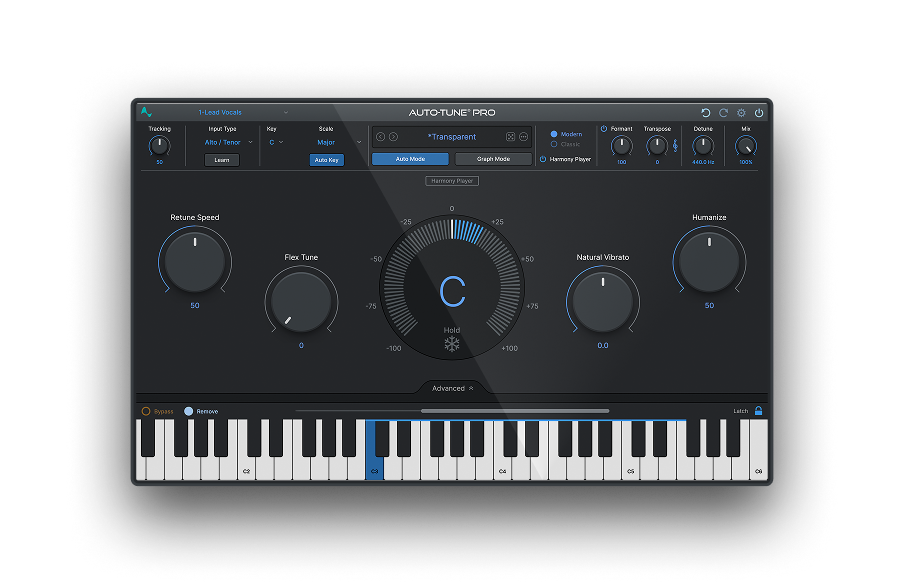

AutoTune Unlimited
AutoTune 2026 and Metamorph
Now Included

Antares Editorial
Antares is a leading developer of software for music recording and live performance. For over 20 years, Antares has powered the music of top-charting and indie artists with products including the industry standard for pitch correction, AutoTune™.