

The process of making music has undergone significant changes in the last two decades. Nowadays, anyone who aspires to become a music producer can access the tools needed to record, mix, master, and release a song.
You might already possess the necessary hardware, and with the abundance of resources available online, such as tutorials, online courses, or YouTube channels, the knowledge required to produce a professional album is right at your fingertips.
In this article, we will explore all the tools and techniques necessary to begin your journey in music production, no matter your budget.
What Are The Basic Steps You Should Learn To Make Music?
Although the music production process can seem daunting at first, we have divided this article into several sections, allowing you to concentrate on each component and steadily enhance your abilities. In this article, you will learn about:
- Essential music recording techniques
- Basic music theory
- Songwriting
- Music production
- Fundamentals of mixing and mastering
Learn About Music Recording Technologies
Before you start recording, creating, and producing music, it's crucial to learn about the necessary hardware and software. This includes understanding music recording technologies, which form the foundation for your music production setup.
The essential gear you’ll need for music production are as follows: a computer, a digital audio workstation (DAW), VST plug-ins, and recording hardware such as a microphone, an audio interface, studio headphones and a MIDI controller.
Depending on the genre of music you want to make, you might not need a microphone or audio interface at all. If you’re an EDM or hip-hop producer, chances are you’ll just need a versatile MIDI controller, a reliable DAW, and a decent-size sound library to start making music.
On the other hand, if you're a songwriter, you'll probably want to invest more in a good-quality condenser microphone and an audio interface. Regardless of your musical style, choosing a DAW that meets your creative needs and budget is essential.
When you choose a DAW, ensure your computer has the power necessary to run it efficiently alongside your plug-ins, and has enough storage space for your music. You can learn about DAWs' requirements on their official website, as well as in blogs, forums, and YouTube videos. There are online tutorials for every DAW available, so don’t worry about the learning curve too much.

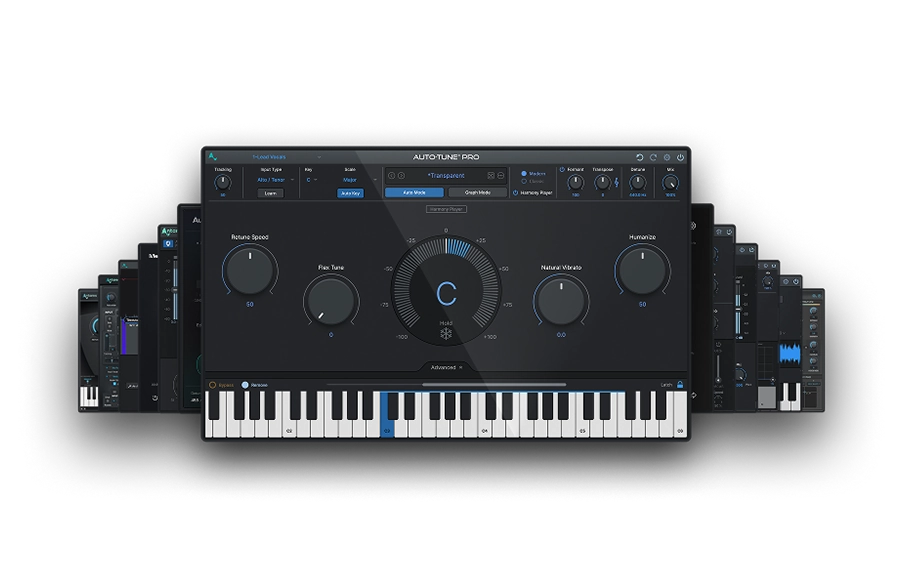
AutoTune Unlimited
The Ultimate Vocal Production Suite
The most popular choices for DAWs are Logic Pro X, Ableton Live, FL Studio, and Pro Tools. GarageBand is the best option for beginners with a Mac device because it’s free and offers many essential tools to create music from scratch. All these DAWs come in various packages that feature virtual instruments and plug-ins. Don’t be afraid to try out multiple DAWs until you find one that works best for you.
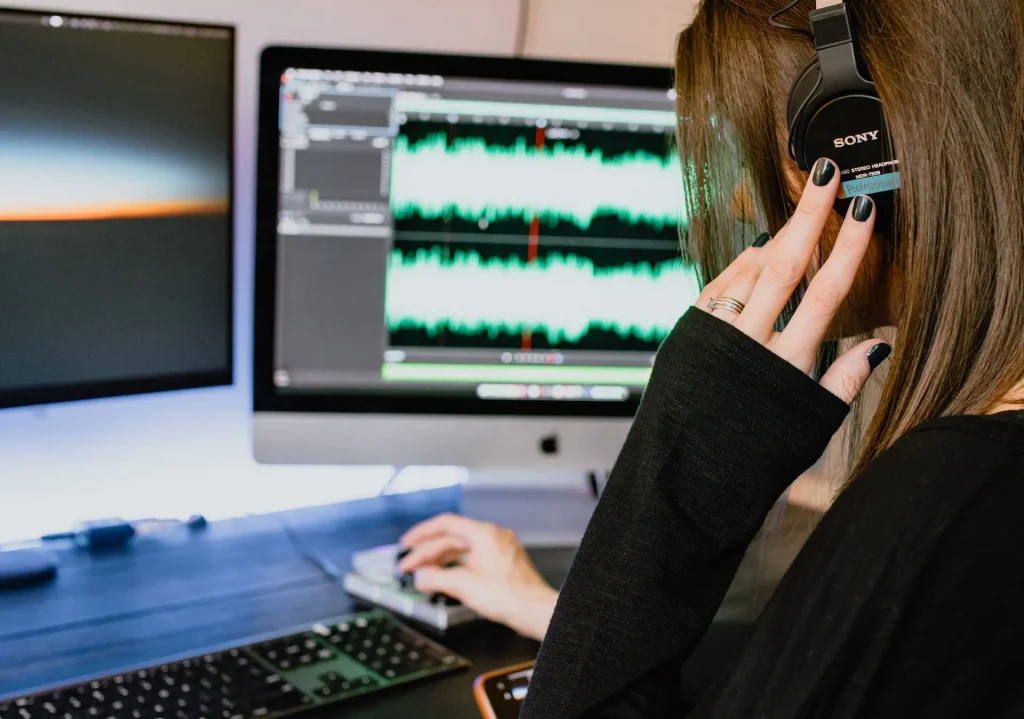
Learn Basic Music Theory
You don’t have to go to music school for years to make a beat, but understanding a song’s structure, the rules of chord progression, and the basics of melodies will help you expand your sonic palette and improve as an artist.
While there are endless online courses and videos that can help you in the first stage of your career in music production, our main recommendation is to analyze and “deconstruct” your favorite songs and see how they’re made. What makes the song so catchy? How can you create a similar bassline? What makes the soundscape so immersive?
Learn more about utilizing a reference track here.
Once you understand how a song is made, you can approach music theory focusing on the aspects that interest you the most: from melody to song structure and how instruments interact with each other.
As you progress, you’ll learn new things that’ll help you develop a unique sonic signature, and you’ll be able to bring songs to life precisely as you envision them.
Learn The Basics Of Songwriting
When it comes to songwriting, it's important to learn the basics of song structure. Most pieces follow a traditional format that includes an intro, verses, a chorus, and a bridge.
Some parts can be repeated or added, like instrumental sections. Again, things change dramatically from genre to genre, so if you’re an ambient or classical composer, the structure of your composition is likely more fluid and unpredictable than a standard pop/rock hit.
To improve your songwriting skills, it's important to understand the distinction between the hook, melody, and chord progression. Analyze these elements in your favorite music and try to apply them to your own songs. Additionally, listening to other artists in your chosen genre is crucial for drawing inspiration and understanding its conventions.
Our suggestion, in this case, is to start creating concise tracks, one or two minutes at most. Learn to convey feelings and create a certain vibe in a short piece, and then gradually lengthen your songs when you feel confident enough to develop solid tracks that won't lose momentum.
Learn About Music Production
There are three stages in the music production process that you should know.
The first stage of the music production process is called pre-production. During this phase, you begin the songwriting and arrangement process, and set the goals for the project. This includes recording initial iterations of your songs, experimenting with different options to determine what sounds best, and defining the ideal structure and length of your track.
The second stage of the music production process is the actual song production. During this phase, you record all the musical instruments and vocals, work on sound design, and add effects using dedicated plug-ins. Finally, you arrange all the tracks in your DAW to prepare for the final phase.
The last stage is post-production, which includes mixing and mastering. We’ll talk more about these two fascinating (and rather complex) processes in a moment.
Once your song is complete, it's time to focus on release, distribution, and promotion. We don't want to add more to your plate than necessary, so we'll discuss release strategy in a separate article.
AutoTune Unlimited
The Ultimate Vocal Production Suite
Learn The Basics of Mixing And Mastering
In short, audio mixing is the process that ensures all instruments are perfectly blended and the resulting song sounds pleasant and natural. For instance, adding EQ and compression, panning instruments, and adjusting volume levels will guarantee the album’s audio quality will be excellent regardless of the playback device or streaming platform the listeners use.
Audio mastering comes after mixing, and is a necessary step to make sure your song’s volume and audio quality are in line with the industry standards and meet the criteria of music distribution platforms.
Mixing and mastering can be done on your own, though a different ear can help you identify areas for improvement.
Checklist Of Essential Techniques To Make Your Music Stand Out

Learn How To Play An Instrument
Knowing how to play the piano, guitar, bass, or sing will improve your songwriting skills because you’ll be familiar with musical chords, keys, and time signatures.
While, in principle, you can make music exclusively on your laptop, knowing how to play an instrument makes the music-making process more practical and effective. You can record a melody or a song's intro in seconds and then expand it once you have a clearer vision in mind.
Learn Other People’s Music
Learning to play music from your favorite artists is one of the best ways to practice and analyze music. If you're a songwriter, rock, or pop artist, this approach is particularly effective. However, if you're an electronic producer, you can focus on recreating the sound of your favorite artists using your DAW and plug-ins.
By doing so, you'll gain a deeper understanding of songwriting, song structure, and learn how to play certain chords and melodies on your instrument of choice.
Record Yourself
Recording yourself while playing your musical instrument or singing can help you listen to your progress and identify areas where you can improve your skills. Sometimes, inspiration strikes while practicing the same chord progression on your piano or guitar for hours, making small adjustments throughout to create a unique sound that is all your own.
By recording your sessions, you can easily revisit those ideas for future songs. Even if you don't like your latest take now, it might be the perfect intro for your next hit someday.
Sharpen Your Music Gear Knowledge
If you want to learn how to make electronic music, it's good practice to research the features offered by different MIDI controllers and drum machines, and learn how to edit MIDI notes to create beats.
If you’re a singer-songwriter, an audio interface and a microphone will be your allies for recording your vocals, drums, or other acoustic instruments. Plus, a pair of studio headphones for monitoring and mixing your tracks will help you create professional songs.
All in all, there are affordable options for any audio gear you might need. You can get a good-quality MIDI keyboard for $100, and the same goes for studio headphones, monitors, and audio interfaces. DAWs’ prices vary greatly depending on the sound library you need, so it's often recommended to start with a free/affordable version first (GarageBand, Audacity), and then opt for a more expensive one when you need more from your workstation.
Learn to Have Fun With Music-Making
Having fun while making music is crucial and probably the only way to create successful songs. The creative process is not always easy, and there'll be days when things just don't work out; nevertheless, learning how to express yourself through music should be an enjoyable and rewarding process that brings you satisfaction for many years.
Keep things simple, and don’t worry too much about your gear or the latest plug-ins: just sit down and make the most of what you have. Often, great music comes from artists who were able to leverage constraints to their advantage.
Sharpen Your Music Production Quality With Auto-Tune
If you want to take your music to the next level, Antares’s broad range of professional effects can help you bring to life a unique, professional sound. Check out our recent blog post on how successful music producers use our effects to shape their sound and make memorable hits.
AutoTune Unlimited
The Ultimate Vocal Production Suite
Final Thoughts
The first step is always the hardest one. Start making music today and slowly expand your skills, but don’t expect great results from the start. Enjoy the process, have fun, and stay creative.
Good luck!

Exclusive AutoTune Content

AutoTune Pro
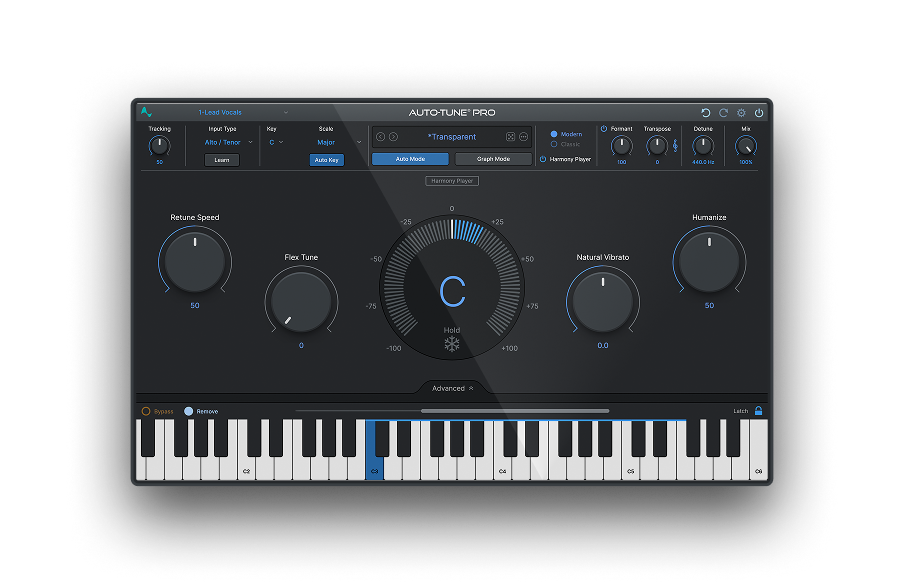

AutoTune Unlimited
AutoTune 2026 and Metamorph
Now Included

Antares Editorial
Antares is a leading developer of software for music recording and live performance. For over 20 years, Antares has powered the music of top-charting and indie artists with products including the industry standard for pitch correction, AutoTune™.