

Your vocals sound thin and weak in the mix. You've heard about "layering" and "stacking" vocals, but you're not sure what that actually means or where to start. Should you record your vocal twice? Should you sing harmony parts? What's the difference, and when do you use each approach?
This guide breaks down two essential vocal layering techniques—double tracking and harmony layers—and shows you how AutoTune Pro 11's Harmony Player makes both accessible, even if you're just starting out.
What Is Double Tracking?
Double tracking means recording your vocal part twice (or more) and playing all the takes simultaneously. You sing the exact same melody and lyrics multiple times, then pan those recordings left and right to create width and thickness. Think of it like this: one vocal sits in the center of your mix. Two vocals panned left and right fill the stereo field, making your voice sound bigger and more powerful.
The key is that you actually record separate takes. Don't copy and paste your vocal—that creates a robotic sound. The slight natural differences between human performances (tiny timing and pitch variations) create the magical "widening" effect that makes double tracking work. When you hear rock vocalists sound massive or pop choruses suddenly explode with energy, you're often hearing double tracked vocals.
Double tracking works best when you want power and width without changing the harmonic content. Your lead vocal stays the lead vocal—it just sounds bigger and more confident. If your verses feel weak or get buried by instruments, try double tracking. Record your verse once, then record it again while listening to your first take. Pan one take slightly left, one slightly right. Your vocal suddenly has presence and fills the stereo field. Keep the doubles relatively close to center (20-40% left/right) for verses. You want width, but you don't want to sound overwhelming.
The most common use of double tracking in modern music: single-tracked verses that explode into double-tracked choruses. The sudden width when the chorus hits creates instant impact and energy. This arrangement choice makes choruses feel bigger and more memorable. Record your verses once, but record your choruses twice and pan them wider (50-70% left/right). When your song's message depends on every word being understood clearly, double tracking helps more than harmonies. You're singing the same words at the same time, reinforcing the lyrics rather than adding additional melodic information that might distract. Rap and hip-hop vocals use this principle extensively. Artists double track specific phrases or entire verses to create emphasis while keeping lyrics front and center.
What Are Harmony Layers?
Harmony layers are completely different. Instead of singing the same notes twice, you sing different notes that support your main melody. These are the "background vocals" you hear supporting lead singers in professional productions. For example, if your lead melody sings a C note, a harmony might sing an E (a third above) or a G (a fifth above). These additional notes create fuller, richer sound by building chord progressions around your melody.
Harmonies can be simple (just one supporting part) or complex (three or four harmony parts creating choir-like textures). R&B, gospel, and pop music rely heavily on harmonies to create their signature sounds. The challenge? You need to know which notes to sing for harmonies to sound good. That's where AutoTune Pro 11 comes in.
Harmonies create emotional richness and arrangement complexity. They make songs sound more "produced" and professional, but they require knowing which notes to sing. Harmonies signal important moments in your song. A bridge that breaks into three-part harmony creates obvious emotional impact. A final chorus with added harmonies creates the climactic payoff your song has been building toward. Use harmonies strategically rather than constantly. Start with just your lead vocal. Add one harmony in the first chorus. Build to two or three harmonies in the final chorus. This gradual increase creates forward momentum and prevents listener fatigue.
Harmonies don't always have to be loud and obvious. Quiet harmony parts mixed low in the background create a supportive "bed" for your lead vocal. This is particularly effective in slower, more atmospheric songs. Think of these as vocal pads—they add warmth and dimension without competing with your lead vocal for attention. Certain genres essentially require harmonies. R&B and gospel music are defined by their sophisticated vocal arrangements. Pop music almost always includes harmony backgrounds, especially in choruses. Even modern country relies on harmony more than it used to. If you're making music in these styles, learning to create effective harmonies isn't optional—it's expected by listeners.
AutoTune Pro 11's Harmony Player: The Solution for Beginners
Here's the problem beginners face: recording multiple harmony parts requires knowing music theory (which notes work together), having good pitch accuracy across different ranges, and spending hours recording take after take. AutoTune Pro 11's Harmony Player solves all of this by creating professional four-part harmonies from your single lead vocal recording.
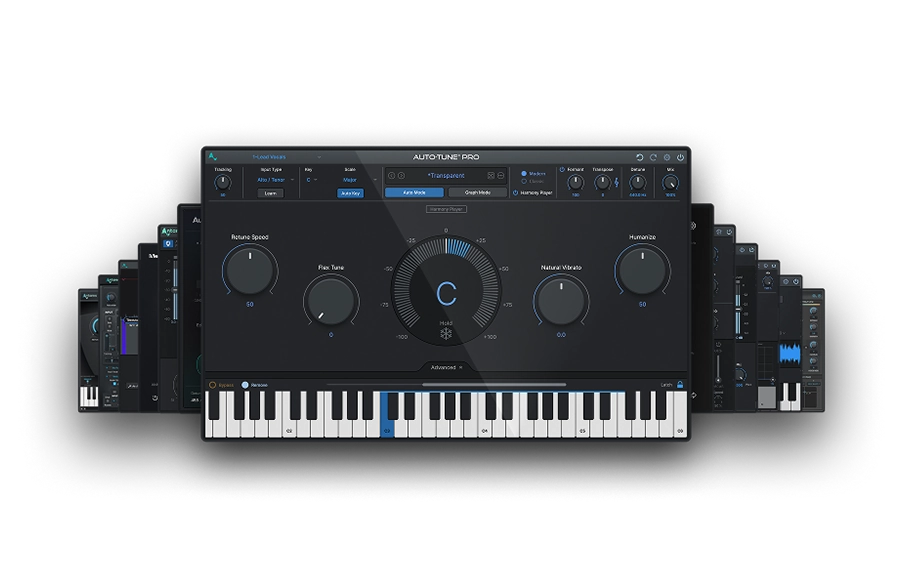
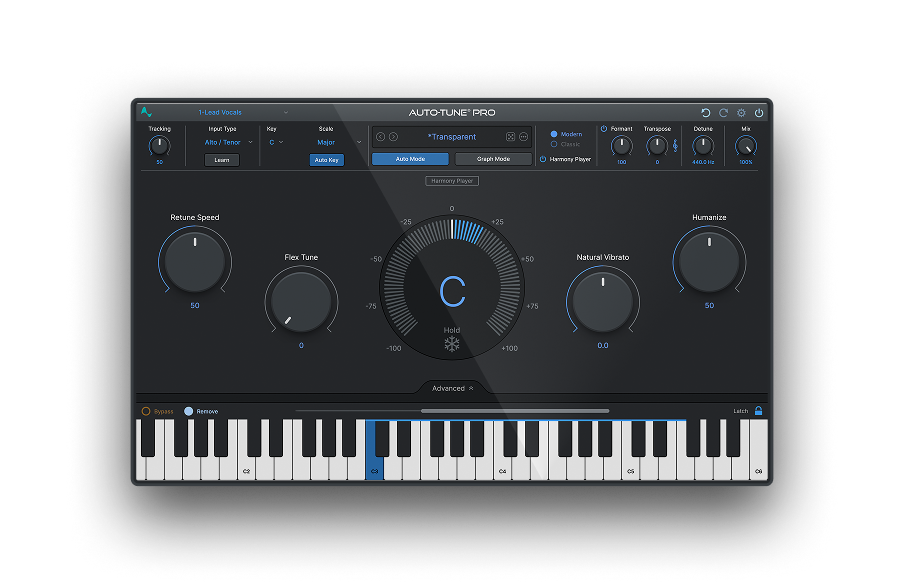
You record your lead vocal once. Harmony Player analyzes your melody and automatically generates up to four additional harmony voices based on the key and scale you set. You don't need to know which notes to sing. The plugin figures out appropriate harmony notes that fit your song's chord progression. You just set your song's key (C Major, A Minor, etc.), choose how many harmony voices you want, and adjust the volume levels. The plugin creates realistic-sounding harmonies because it uses advanced formant technology—not simple pitch shifting that sounds robotic and fake.
The fastest way to use Harmony Player: start with presets created by professional producers. These settings give you instant, radio-ready harmony arrangements. Select a preset, listen to how it sounds with your vocal, and adjust. Need fewer harmony voices? Turn down Voice 3 and Voice 4. Want harmonies to sit further back? Lower the overall mix knob. It's that simple.
Once you understand the basics, you can customize intervals (the distance between your lead and the harmony notes). Want a harmony that sits one octave above your lead? Set Voice 1 to +12 semitones. Want a harmony a third below? Set Voice 2 to -4 semitones. Don't understand semitones? That's fine—the presets handle this for you. But as you learn, you can create exactly the harmony arrangements you imagine.
Harmony Player includes a Humanize feature that adds subtle timing and pitch variations to your generated harmonies. Real human singers don't lock perfectly to a grid—they breathe, they slightly rush or drag, they add expression. Humanize recreates these organic imperfections so your harmonies sound like you recorded them, not like a computer generated them. For beginners, just turn Humanize to medium or high settings and you're good to go.
Recording Your Vocals for Best Results
Whether you're planning to double track or add harmonies, these recording fundamentals matter. Stand the same distance from your microphone for all vocal recordings. If you move closer or farther away, your tone changes, and your layers won't blend well together. Mark your floor with tape if it helps. Many professionals do this to ensure consistency between recording sessions.
Background noise gets multiplied when you layer vocals. A little room echo on one vocal becomes obvious reverb on three vocals. A little air conditioning hum becomes a noticeable rumble. Record in the quietest space available. Close windows, turn off fans, and minimize outside noise. If you're using AutoTune Pro 11, consider using Vocal Prep first to remove unwanted noise before generating harmonies.
When you're recording the lead vocal that will become the source for harmonies, pitch accuracy matters. The plugin generates harmonies based on your input pitch, so if your lead vocal is slightly off-key, the harmonies will reflect those pitch issues. Use AutoTune Pro 11's Auto Mode while recording to ensure solid pitch accuracy. This gives Harmony Player the cleanest possible source to work from.
Mixing Double Tracked and Harmony Vocals
Recording great vocals is only half the battle. Mixing those layers properly makes them sound professional. Double tracked vocals should be panned 40-70% left and right. This creates width without sounding disconnected from the center. Harmony Player voices should be panned outside your doubles or between center and your doubles. For example, if doubles sit at 50% left/right, pan your first harmony at 70% and your second harmony at 30%. Each element needs its own space in the stereo field.
Your lead vocal should be the loudest—typically 2-3 dB above everything else. Doubles sit slightly quieter than the lead. Harmonies sit 3-5 dB quieter than the lead. This creates clear hierarchy. Listeners always know which vocal to follow (the lead), while doubles and harmonies provide support without competing for attention.
Send all your vocal layers to one reverb. This makes them sound like they were recorded in the same space, creating a cohesive ensemble sound. Don't put different reverbs on different vocal parts—that makes them sound disconnected, like they were recorded in different rooms. Use Vocal Reverb's Auto-EQ feature to prevent muddiness as you add reverb to multiple layers.
Common Beginner Mistakes
Beginners often record their lead vocal, then immediately add three double tracks and four harmony parts. The result: a muddy mess where nothing sounds clear. Start simple. Get your lead vocal sounding great first. Then add one element at a time. Double track your chorus. Listen. Does it work? Then try adding one harmony. Build gradually.
More layers don't automatically mean better sound. Professional vocals typically use a lead, one or two doubles, and two to four harmony parts maximum. Every additional layer makes mixing more complex and reduces clarity. Use only what serves the song.
All your doubles and harmonies exist to make the lead sound better. If your supporting parts are so loud they compete with the lead, you've defeated the purpose. Constantly check: can I clearly hear and understand my lead vocal? If not, remove layers or turn them down. The lead must always win.
Different song sections need different amounts of vocal layering. Verses often work best with single or lightly doubled vocals. Choruses benefit from doubles and harmonies. Bridges might introduce new harmony arrangements for contrast. Think about your song's emotional arc. Where do you want maximum impact? That's where you add the most vocal layers. Where do you want intimacy and vulnerability? That's where you keep it simple.
Your Path Forward
Double tracking creates width and power while keeping your melody front and center. Harmonies create emotional richness and professional polish. Both techniques have their place in modern production. The challenge for beginners has always been execution. Recording multiple tight double tracks requires skill and patience. Creating harmonies requires music theory knowledge most beginners don't have yet.
AutoTune Pro 11's Harmony Player changes this equation. You can create professional vocal arrangements from single recordings, focusing your energy on performance rather than technical execution. Start with simple arrangements. Double track your choruses. Add one Harmony Player voice in your final chorus. As you gain confidence, experiment with more complex layering. Listen to your favorite songs and try to identify when you're hearing doubles versus harmonies.
Most importantly, remember that vocal layering serves your song's emotional content. Every technical choice should support what you're trying to make listeners feel. When in doubt, keep it simple. A well-recorded, well-performed lead vocal will always beat an overproduced mess.
Try AutoTune Pro 11 free for 14 days through AutoTune Unlimited and discover how Harmony Player makes professional vocal production accessible from day one.

AutoTune Unlimited
The Ultimate Vocal Production Suite

Exclusive AutoTune Content
Related Articles

AutoTune Pro

AutoTune Unlimited
AutoTune 2026 and Metamorph
Now Included

Written by: Mike McMillen
Marketing Manager at AutoTune
LinkedIn
Mike has 10+ years of experience in the audio tech industry, having previously worked on globally-recognized brands such as Alesis and M-Audio. Prior to his marketing career, Mike traveled the globe as a guitarist for various punk rock and hardcore bands and also worked as an audio engineer on releases from Big D and the Kids Table, A Loss for Words, and more.