

Even when in the background, the bassline is the heart and soul of any great song: it sets the tone, enhances the groove, and bridges the gap between the rhythm section and the melody.
Writing a memorable bassline is essential in most music genres, so understanding how to write basslines is one of the most effective ways to improve your workflow as a music producer.
Today we'll examine the music theory behind basslines, why they're so important, and how to make one from scratch.
What's a Bassline?
A bassline is a sequence of low-pitched notes played by a bass instrument or a synthesizer.
In many genres of music, the bassline is essential to the overall sound and feel of the composition. It can be simple or complex, depending on the music style and the bassline's role in the composition.
A bassline adds depth to a track, making the soundscape more immersive and captivating while creating a solid foundation for the main instrument (guitar, synth). A common mistake in music production is underestimating the importance of basslines and considering them superfluous compared to the main melody. The reality is quite the opposite: a good bassline uniquely magnifies the song's central theme and enriches the groove.

What Are the Two Different Types of Bass Lines?
We have two types of basslines: the classic walking bass line and the bass run. Let's analyze the differences between these two approaches.
A walking bass line is a specific type of bass line often used in jazz that involves playing a bass note on every beat of a measure (bar), typically using a quarter-note rhythm. The bass notes often move up and down the scale in a stepwise motion, creating a smooth and flowing line that complements the melody and rhythm of the song. Walking bass lines often include chromatic notes, passing tones, and other embellishments that add interest and complexity to the music.
On the other hand, a typical bass run, or bass riff, is a short and repeating pattern of bass notes that is used as a recognizable and distinctive part of a song. It may involve playing notes in a particular sequence or pattern, often with rhythmic variation, and may be repeated throughout the piece to provide a sense of continuity and coherence. Bass runs are often used in rock, blues, and funk music to provide a driving and rhythmic groove to the music.
The main difference is that a walking bass line is a continuous and flowing bass line played on every beat, while a normal bass run is a repeating pattern of bass notes played in a specific section of the song.
Next time you tap your foot to a song, listen carefully and see if you can pick out which type of bass line is being played.
What Are the Benefits of Having a Good Bassline?
A good bassline is essential for creating a solid and engaging musical experience. It consolidates the song's chord progression, giving the rest of the instruments a structure to build upon. It also supports the melody, working in tandem with the main instrument to create a harmonious and cohesive sound.
Also, a good bassline interacts with the drums, creating a tight, groovy rhythm section that gets people moving.
How Can I Write a Bassline?
Knowing each chord's root note and deciding whether you want major or minor chords are the first steps to writing a professional bassline. This is crucial when you want to create a captivating sound texture with a beat and melody, regardless of the music genre or the complexity of your track.
Then, try playing notes within the same musical scale to maintain a cohesive sound. To stand out and add depth, include off-beat notes, and add variation by playing different notes and rhythms. And that's it!
Here are some of the key aspects to keep in mind when creating a bassline.

Direct Extension
The direct extension is when the bass note is extended directly from the previous note. It creates a sense of harmonic stability and continuity, as the bassline flows smoothly from one chord to the next without disruptions. Combine it with chord inversions, passing tones, and chromatic notes to create a more complex and interesting texture.
Indirect Extension
If you're working between two chords, extend the bassline by using intervening notes leading to the next chord. In this way, you'll create a sense of tension and resolution as the bassline moves through a series of notes that build up to the next chord.
Know the Key & Scale
The key is the note that the music is based on and is often the starting point for a melody. For example, if a song is in the key of C major, the note of C is the tonal center, and the theme and chords of the song will often revolve around this note.
On the other hand, a scale is a series of notes arranged in a specific pattern of intervals. Scales are used to create melodies, harmonies, and chord progressions in music. There are many different types of scales, but some of the most common include major, minor, pentatonic, and blues scales.
Unlock the secret to pitch-perfect music production with Auto-Key.
About Syncopation
To add variety and energy to the bassline:
- Try syncopation
- Place the rhythmic accents on off-beats or between the beats, and you'll see how your song becomes more exciting and engaging
- For inspiration, check out other like-minded artists and see how they use syncopation to make their music more engaging
Choosing the Right Octave
Simply put, the octave is the interval between two notes with the same name, where one note has a frequency that is double the other. Choose a lower octave to create a deeper, more powerful sound or a higher octave to create a brighter, more melodic sound.
You'll need to use the lower octaves for your bassline, or it may clash with the frequencies of the other instruments involved in your track.
What About the Rhythm?
A great bassline can seamlessly link leading instruments and the rhythm section. There are many ways to do so, but you should always remember that the primary role of a bassline is to add rhythm and groove to a song, making it engaging and catchy from the start.
You can sustain the bass note just as you sustain a chord in other musical instruments, and this should be your approach if you want to make the melody sound more powerful and immersive. You can listen to the rhythm of the lead chords and follow it with the bass or create an entirely new rhythm. There are no rules here, so as long as it sounds good and catchy, that's great!
Bass Sound Design
The Attack, Decay, Sustain, and Release knobs are present in all virtual instruments and pedals, and they're the easiest and most effective way to blend your bassline with the rest of your track.
The attack will control how soft your sound is at the beginning. Decay is the time of decreasing volume after the attack. Sustain is the setting where the decay will drop, and release determines how long you'll hear the note.
Use those settings to ensure you get the right sound from your bass. Remember that your bassline needs to coexist with the rest of your song, so focus on how your bass sounds when included in the rest of your mix rather than when on its own.

Adding Melodic Fills
Creating melodies with your bass guitar is a valid option that can open up endless creative opportunities. The way you do this is quite simple: treat it as your primary instrument and create a melody that's both groovy and memorable. It's easier said than done, but N.E.R.D. built a career on unforgettable basslines, so why not you?
How to Produce Bass Lines
Producing bass lines requires three steps:
- Sound design: choosing the suitable synthesizer or instrument, adding effects such as distortion or filtering, and adjusting parameters to create the desired sound.
- Mixing: balancing the chosen sound with the other instruments. This involves adjusting the volume, panning, E.Q., and compression of the bass to create a balanced sound.
- Matching: creating a bassline that fits well with the song. Use the right key and scale, and choose the right rhythm and note patterns.
Recommended Plug-ins That Can Pump Your Bassline
Auto-Tune plug-ins offer everything you'll need to take your bassline to the next level. Want to add depth and color to your bassline? Try Warm, our iconic effect that brings a genuine analog sound to all instruments. Do you feel your track lacks energy? Then Punch can magnify your bassline and make your songs more captivating. Looking for inspiration? Try out Harmony Engine to craft the perfect harmonic arrangements.
All these vocal effects and more are part of our Auto-Tune Unlimited package: everything you'll ever need to create memorable basslines at your fingertips.
Have fun, and stay creative!

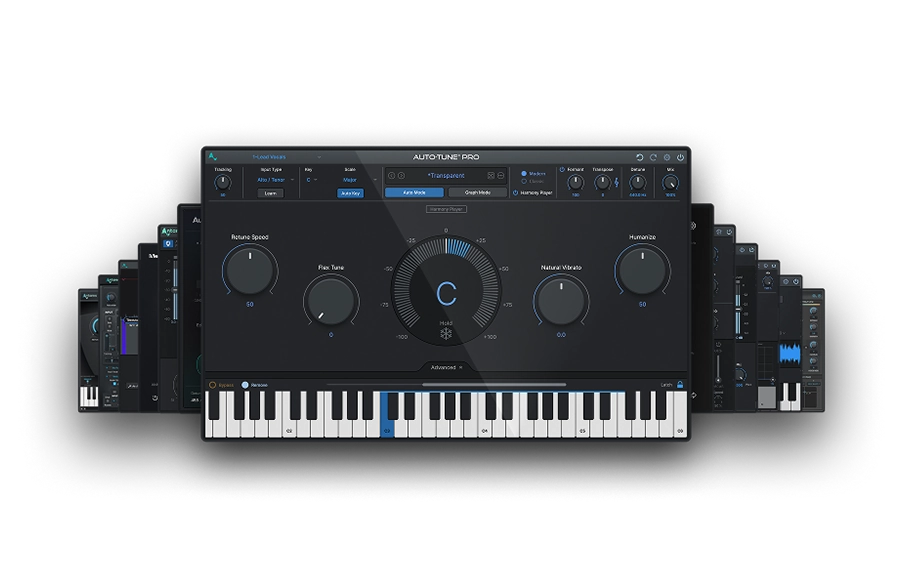
AutoTune Unlimited
The Ultimate Vocal Production Suite

Exclusive AutoTune Content

AutoTune Pro
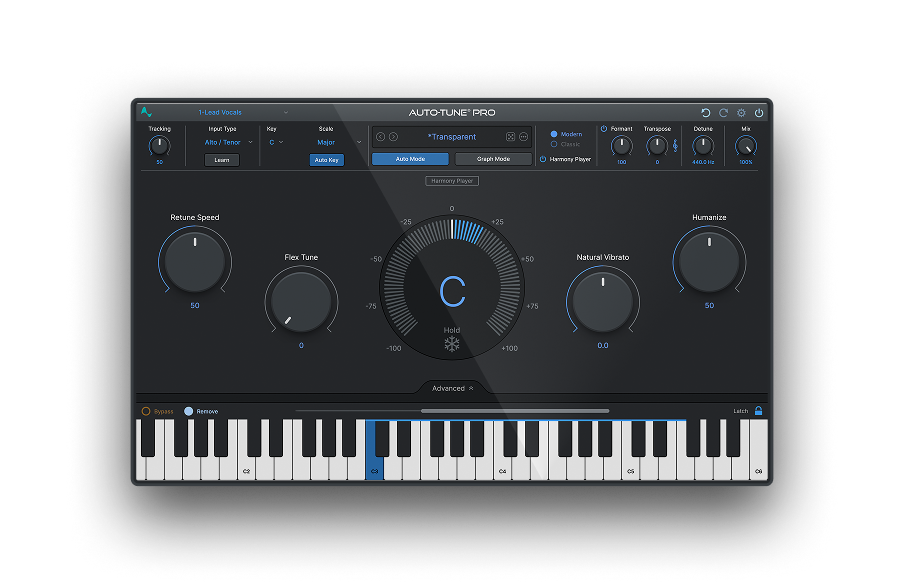

AutoTune Unlimited
AutoTune 2026 and Metamorph
Now Included

Antares Editorial
Antares is a leading developer of software for music recording and live performance. For over 20 years, Antares has powered the music of top-charting and indie artists with products including the industry standard for pitch correction, AutoTune™.