
You can run from AutoTune®, but you can't hide.
No matter what genre you prefer or which artists are on your playlists, AutoTune has become nearly ubiquitous in modern music production. Since its introduction in the late 1990s, this polarizing vocal technology has sparked passionate debates among artists, producers, and listeners about whether it is genuine creative expression or a cheat to make crappy singers sound ok. Of course, we’re biased. But let’s look into "The Great AutoTune Debate."
What Exactly Is AutoTune?
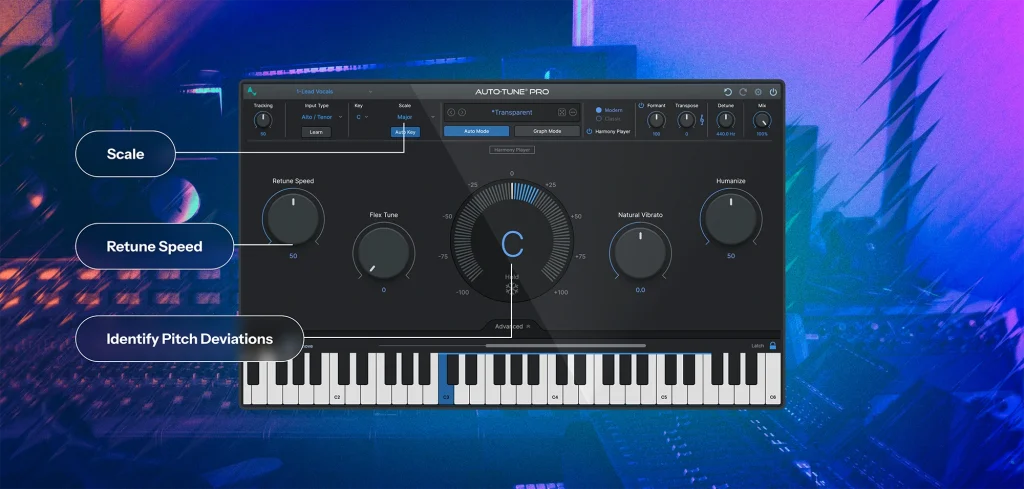
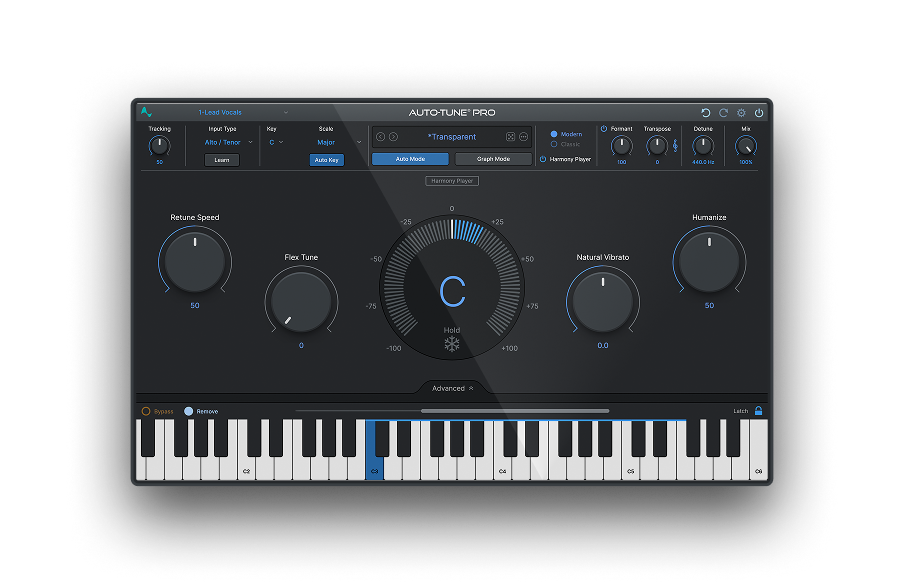
People assume AutoTune is a robotic vocal effect layered over natural singing, but it actually does a lot more. In tech-speak, AutoTune analyzes incoming vocal signals, identifies pitch deviations, and corrects them according to a predetermined scale. How that ends up sounding is determined by the “retune speed” setting used.
With high retune speeds, AutoTune creates the distinctive vocal effect popularized by artists like T-Pain, Charli XCX, Post Malone, and more. If you set it slower, pitch corrections are more subtle, preserving the unique character and nuances of a singer’s voice. This is how AutoTune is most commonly used in the music industry.
If you want to learn more about some of the specifics behind AutoTune, check out our article The Science Behind AutoTune.
The Case Against AutoTune
Some big names have trash-talked AutoTune. In 2013, Usher reportedly told T-Pain, "You ruined music by popularizing AutoTune BS." Dave Grohl of Nirvana & Foo Fighters fame criticized the technology for diminishing the "rawness" and "authenticity" that define truly compelling vocal performances.
The sharpest critique came from Jay-Z, who released the track "D.O.A. (Death of Auto-Tune)" in 2009, explicitly calling for the industry to move away from what he saw as an overused gimmick. The track became an anthem for AutoTune opponents, with Jay-Z declaring "This is anti-AutoTune, death of the ringtone" and criticizing artists who relied on the tool rather than their natural vocal abilities. The song's impact was significant enough to temporarily influence production trends in hip-hop, though ironically, it failed to diminish AutoTune's overall popularity in the long term.
The main gripe against AutoTune is that it is a substitute for genuine musical ability. Critics argue that it enables vocally limited performers to manufacture pitch-perfect recordings, elevating mediocre artists to stardom while undermining the value of raw talent and hard work.
AutoTune vs natural singing: a more nuanced perspective
There’s more to the conversation than "cheating versus creativity." AutoTune was designed as a corrective tool for minor pitch imperfections but has evolved into a creative instrument that redefines music production.
Artists like Cher (with 'Believe' in 1998) and later T-Pain, revolutionized music by reinventing AutoTune as a signature sonic element. They effectively pioneered a new instrument through deliberate creative experimentation, demonstrating how true innovation often emerges when artists repurpose existing technology in unexpected ways. This pattern of technological repurposing has repeatedly shaped musical history, from Les Paul's guitar innovations and Hendrix's feedback manipulation to Robert Moog's synthesizers and hip-hop's sampling techniques. All these innovations initially met resistance before becoming fundamental to modern music.
The Historical Context of Musical Innovation
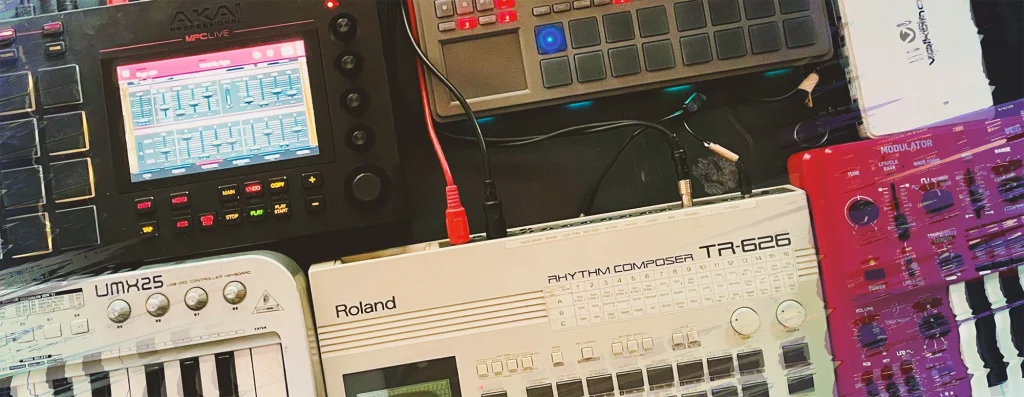
Musical evolution has always been propelled by new tech. Each generation embraces tools that previous ones looked down on. From the controversy surrounding early electric guitars to the resistance against synthesizers in the 1970s and 1980s, history repeatedly demonstrates how yesterday's "inauthentic" innovations become essentials in tomorrow's musical toolkit.
AutoTune is just one step in this ongoing journey. Like distortion pedals, sampling, looping, and countless other production techniques, it provides artists with new creative possibilities. It doesn’t determine the artistic value of the resulting work.
Check out this article featuring 15 iconic hip-hop songs featuring AutoTune.
Finding Balance: Artistry in the Digital Age
AutoTune, like any tool, derives its value from how it's applied. When used transparently to correct minor imperfections in an otherwise compelling performance, it serves as an enhancement similar to reverb or compression. When used as a pronounced stylistic choice, it is a deliberate artistic statement.
The critical question isn't whether using AutoTune is "cheating," but whether the final result creates an authentic emotional connection with listeners. Throughout musical history, from acoustic instruments to electronic production, the most enduring works always effectively communicate human experience, regardless of the instruments and techniques used in their making.
The Listener’s Perspective
Ultimately, most listeners care far more about how music makes them feel than the techniques used to create it. A vocally imperfect performance delivered with genuine emotion is more powerful than cold but flawless execution. Conversely, creative use of digital effects can sometimes convey emotional nuances that traditional vocal approaches can’t.
At the end of the day, music remains a deeply subjective art form, where innovation continues to expand our collective understanding of what constitutes "authentic" expression. Whether you view AutoTune as an artistic tool or technological crutch, its profound impact on contemporary music production is undeniable and it’s here to stay.

Exclusive AutoTune Content

AutoTune Pro

AutoTune Unlimited
AutoTune 2026 and Metamorph
Now Included
Written by: Brian Davitt
Senior Manager, GTM at AutoTune
Brian has 15+ years of experience in the music industry, transitioning from his early 2000s roots touring with bands to becoming an audio engineering professional after earning his degree in 2011. Before joining AutoTune, Brian built his expertise working with legendary music technology brands including M-Audio, HeadRushFX, and Akai Pro. When he's not developing marketing strategies for AutoTune, Brian rocks out with his Math Rock band Between 3&4.