

There are five production choices that define the Afrobeats vocal sound. First is a lifted top end above 10 kHz, layered with tight doubles locked to the lead, delay throws on the last word of every phrase, pitch correction in the 10-to-30-ms Retune Speed range, and short plate reverb that keeps the vocal forward in a percussion-first mix. Get those five right, and the rest of the chain supports them. This guide walks through every stage, from Vocal Prep to the final delay throw, with the exact settings and techniques behind records from Burna Boy, Wizkid, Rema, Tems, and Asake.
What is Afrobeats?
Afrobeats is a West African pop genre that came out of Nigeria and Ghana in the 2000s and reached global mainstream in the late 2010s. It pulls from highlife, juju, hip-hop, R&B, dancehall, and house, stitched together by rhythm programming built around the log drum, shekere, and syncopated kick patterns. The genre is separate from Afrobeat (no "s"), the Fela Kuti style from the 1970s, though part of its DNA traces back to that tradition.
The artists who pushed the sound global are the same ones shaping how the vocals get produced today. Burna Boy, Wizkid, Davido, Rema, Tems, Asake, Ayra Starr, Fireboy DML, Omah Lay, Ckay, and Tyla have stacked Billboard entries, Grammy nominations, and headline festival slots across North America and Europe. "Essence" by Wizkid and Tems became the first Nigerian song to chart on the Billboard Hot 100. "Calm Down" by Rema and Selena Gomez spent over a year on that same chart. "Love Nwantiti" by Ckay became the most Shazamed song in the world in 2021. "Water" by Tyla hit top 10 globally and won the first Grammy for Best African Music Performance.
What Makes Afrobeats Vocals Unique?
Afrobeats vocals are bright, close, and conversational, and the brightness comes from a high shelf above 10 kHz that producers across the scene push on almost every lead, because the percussion arrangements are dense across the mids, and the only way for the vocal to live above shakers, hi-hats, and a log drum without getting buried is to ride above them. Mix the vocal dark and the drums will eat it the moment they come in.
The conversational part comes from how the pitch correction is dialed, with modern Afrobeats sitting in a tight range on AutoTune 2026, Retune Speed between roughly 10 and 30 ms, tighter than transparent country-vocal correction (around 40 ms or higher) but nowhere near the hard-tuned T-Pain or Kanye sound (0 to 5 ms). On a Burna Boy or Rema record, you can hear the correction working if you know what to listen for, but the vocal never tips into vocoder territory.
Short reverb gives the vocal its closeness, with most Afrobeats leads sitting on a plate around 0.8 to 1.5 seconds, often run on a send so it can be ridden up on sustained notes and pulled back on rhythmic phrases. A long hall pushes the vocal too far back behind the drums, which is why even ballad-style records like Asake's "Lonely at the Top" keep the vocal close and the reverb tail short.
Setting Up AutoTune 2026 for Afrobeats
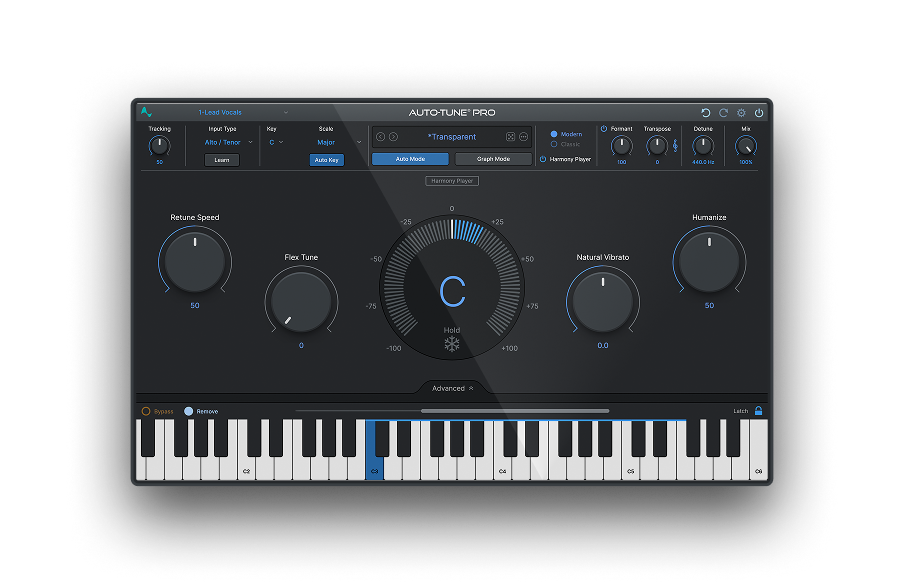
The first thing to do is set Key and Scale correctly because Afrobeats melodies live almost entirely in pentatonic and minor scales, and the plugin needs to know that before it tracks anything. If you are unsure of the key of the beat, AutoKey will pull it for you in seconds. Get this wrong, and the rest of the chain is fighting itself.
From there, set Retune Speed in the 10-to-30-ms range mentioned above. The closer you push toward 10, the more present the correction reads on sustained notes, which is the Rema and Asake side of the genre. The closer you push toward 30, the more transparent it sounds, which is the Tems and Wizkid side. Start at 20 and adjust by ear.
Keep Humanize low, between 0 and 20. Humanize exists to relax correction on sustained notes so they do not sound robotic, and Afrobeats vocals do have sustained notes (think the back half of any Burna Boy hook), so a little is fine. Push it to 30 only if the singer is doing extended melisma and the correction starts fighting the natural pitch movement.
Set Flex Tune low as well, somewhere between 5 and 15. This lets notes that are already close to pitch pass through clean and pulls off-pitch notes harder, so the performance sounds sung instead of programmed. Leave Natural Vibrato at zero. Afrobeats does not use the wide, slow vibrato you hear on a 90s R&B ballad. The melodic ornamentation in this genre is rhythmic, fast and tight, so let the correction lock it.
One last thing, make sure you pick the right Input Type. Wizkid, Omah Lay, Tems, and Ayra Starr all sit in Alto/Tenor, while Burna Boy often reads as Low Male. Getting this right cleans up tracking before you even get to EQ. If the record you are making is going for the harder T-Pain-style correction instead of the modern Afrobeats sound, the same plugin gets you there too, and the breakdown lives in our guide to the classic AutoTune Evo sound.
How to Build an Afrobeats Vocal Chain
Once the pitch is locked, the rest of the chain is about clearing space and adding character. Vocal Prep comes first, before loading AutoTune, to handle noise and bleed (a lot of the records driving this genre were tracked in untreated project rooms across Lagos, Accra, and London, and Vocal Prep is what makes those recordings sound like commercial releases), followed by AutoTune and then Vocal EQ.
The EQ moves on an Afrobeats vocal are specific, cut between 200 and 400 Hz with a wide Q to pull the vocal off the log drum and 808 sub, then push gently at 2 to 4 kHz to give the vocal its forward presence against the percussion. Open a high shelf above 10 kHz with 2 to 4 dB of lift, which is where the genre's brightness comes from. On a darker mic, you can push the shelf further, but on a bright condenser like a U87 or a TLM 103, ease off so you do not turn every "S" into a knife.
Vocal Compressor comes after EQ, and the trick with Afrobeats is to not over-compress, because Afrobeats vocal performances live in a conversational dynamic range that pop production tends to flatten out. Run a 3:1 ratio with 4 to 6 dB of gain reduction on the loudest parts of the hook, sit on the Controlled preset, and if the verse-to-hook dynamic is too wide for one compressor to handle without crushing it, run a second instance later in the chain for glue instead of pushing the first one harder. Squashing the vocal kills the genre's conversational feel.
Vocal De-Esser comes after the compressor because compression makes sibilance louder, not quieter. Hit Assist, listen back, and ride the threshold by ear. Afrobeats vocals are bright, which means sibilance is the first thing to get harsh on earbuds, and the de-esser is what controls it.
What Techniques Define the Afrobeats Vocal Sound?
Three more moves take a clean vocal and make it sound like Afrobeats. The first is doubling, the second is the delay throw, and the third is short plate reverb.
Doubling lives on almost every Afrobeats hook, using a doubled lead locked to the original in pitch and timing, riding right next to it in the mix. Record a second pass of the hook with the singer trying to match the original as closely as possible, run it through the same chain as the lead, and pan it either dead center or just slightly wide, with the goal being to make the hook feel thicker without sounding like a separate take. Pull the doubled fader down 4 to 6 dB under the lead and automate the track to kick in only on hooks, leaving verses clean and singular.
The delay throw is the move that separates Afrobeats from American pop and hip-hop. Listen to any Wizkid or Rema hook, and you can hear it at the end of every line, a quarter-note delay on the last word, sometimes a clean single repeat, sometimes pitched down a third or a fifth, sometimes with feedback pushed into a tape-style flutter. Set up a delay on an aux send, automate the send to open only on the specific word you want to throw, and pick your flavor. Use a clean repeat for a polished record, pitched-down repeat for menace or a dub-flutter for a moment of texture. Without delay throws, the vocal will not sound like Afrobeats no matter how clean the rest of the chain is.
Reverb closes the chain with a short plate around 0.8 to 1.5 seconds on a send, ridden up on sustained notes and pulled back on rhythmic ones. On bigger hooks, a second send running a longer plate or small hall around 2.5 seconds adds the cinematic moment you hear at the climax of a record like "Last Last." Keep the long reverb on the second send so you can pull it in only when the song calls for it. Defaulting to long reverb across the whole vocal will bury everything you just built.
Stacking the Hook with Harmony Engine
Afrobeats hooks rarely live alone, because the genre is built on call-and-response, ad-libs, and harmony stacks that answer the lead in real time. Asake's run with Magicsticks (think "Terminator," "Lonely at the Top") leaned hard into full choir-style stacks under every hook, while Wizkid layers tight thirds and fifths through almost every chorus he sings, and Rema's ad-lib stacks under "Calm Down" are doing as much work on the hook as the lead vocal.
Harmony Engine generates harmony parts directly from the lead vocal and lets you stack up to four voices, which is enough to build a full gospel-adjacent arrangement on a hook without recording a single additional take. Match the Key and Scale to what is already on AutoTune. Stack a third above the lead and a fifth above for the wide, lifted hook sound that defines modern mainstream Afrobeats. Drop a third below on the pre-chorus to add weight before the hook opens up. Pull the harmony faders down 6 to 9 dB under the lead so they support the vocal instead of competing with it.
For ad-libs, record a separate pass of the hook with the singer improvising over the original take, run it through the same chain (slightly less compression, slightly more reverb), then automate it to pop in on the first beat of every bar answering the lead. Almost every Burna Boy, Rema, Wizkid, and Asake record uses this, and skipping it leaves the hook sounding like a demo.
Who Are the Top Afrobeats Producers?
Reference listening will teach you more than any tutorial, and the producers below are where to start. P.Priime produced for Rema, Burna Boy, and Omah Lay, and his vocal mixes land right in the 10-to-30-ms range described above. Magicsticks built Asake's run from the ground up, producing the choir-stacked sound that defined his breakthrough records. Sarz co-produced "Essence" and has worked with Wizkid, Beyoncé, and Skepta. London produced for Tems, Kizz Daniel, and Fireboy DML and has the airiest vocal top end in the genre. Blaisebeatz produces for Davido and Ayra Starr and leans into harder-tuned leads and wider ad-lib stacks. Pull up the credits on your favorite Afrobeats records, find the names that show up repeatedly, and study what they are doing across multiple releases.
On the artist side, the names worth deep listening to right now are Burna Boy, Wizkid, Rema, Tems, Asake, Ayra Starr, Davido, Fireboy DML, Omah Lay, Ckay, Tyla, and Ruger. Each one approaches vocal production slightly differently, and once you start listening for the differences, you stop hearing "Afrobeats" as a single sound and start hearing the choices each artist and producer is actually making.
Every plugin in this chain comes with a single AutoTune Unlimited subscription, which puts the same tools producers like P.Priime, Sarz, and Magicsticks are reaching for on the records driving Afrobeats globally directly into your DAW, so subscribe today and start building your Afrobeats vocal chain.

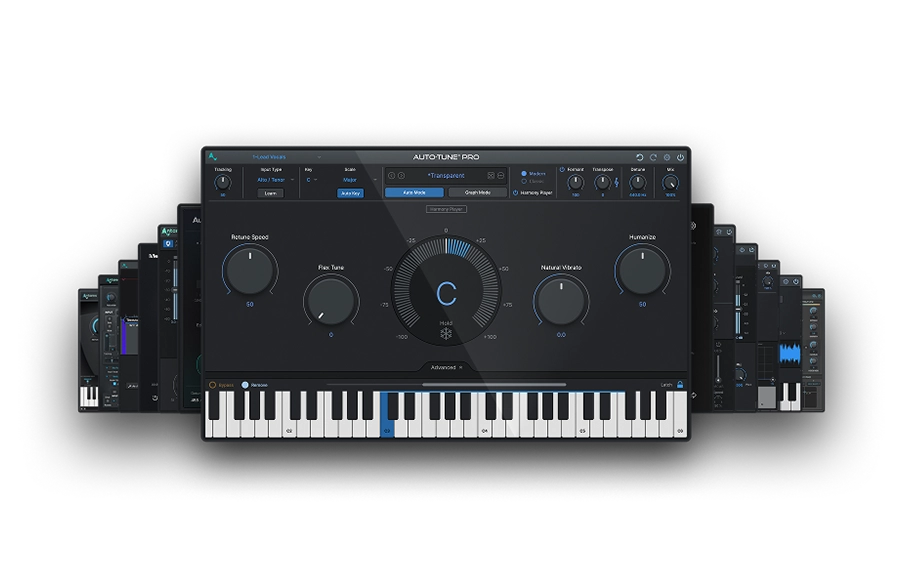
AutoTune Unlimited
The Ultimate Vocal Production Suite
Frequently Asked Questions
What is Afrobeats music?
Afrobeats is a West African pop genre out of Nigeria and Ghana that blends highlife, hip-hop, R&B, dancehall, and house over percussion built on the log drum, shekere, and syncopated kick programming. It broke globally in the late 2010s through artists like Burna Boy, Wizkid, Rema, Tems, and Asake.
What plugins do Afrobeats producers use?
Afrobeats producers reach for pitch correction, vocal EQ, compression, de-essing, doubling, saturation, short plate reverb, and tempo-synced delays on almost every lead. AutoTune 2026, Harmony Engine, Duo, and the full Vocal Chain suite inside AutoTune Unlimited covers the entire chain used on records from Burna Boy, Wizkid, Rema, Tems, and Asake.
Do Afrobeats producers and artists use AutoTune?
Yes. AutoTune sits on the lead vocal of almost every mainstream Afrobeats record, typically at audible-but-not-robotic settings. Retune Speed between 15 and 30 ms is the pocket where the genre lives.
What AutoTune settings work best for Afrobeats vocals?
Set Retune Speed between 15 and 30 ms. Keep Humanize between 0 and 20. Set Flex Tune between 5 and 15. Leave Natural Vibrato at zero. Match Key, Scale, and Input Type to the song and the singer.
Why do Afrobeats vocals sound so bright?
Afrobeats mixes push a high shelf above 10 kHz on the lead vocal so it can sit above percussion arrangements built around log drum, shakers, and busy kick programming. The brightness is what lets the vocal cut through without competing with the low end.
What are the most popular Afrobeats songs?
"Essence" by Wizkid and Tems, "Calm Down" by Rema, "Last Last" by Burna Boy, "Love Nwantiti" by Ckay, "Peru" by Fireboy DML, "Water" by Tyla, and "Terminator" by Asake are among the most-streamed Afrobeats songs globally.
Who are the biggest Afrobeats artists?
Burna Boy, Wizkid, Davido, Rema, Tems, Asake, Ayra Starr, Fireboy DML, Omah Lay, Ckay, and Tyla are the artists driving the genre's global reach.

Exclusive AutoTune Content

AutoTune Pro

AutoTune Unlimited
AutoTune 2026 and Metamorph
Now Included

Antares Editorial
Antares is a leading developer of software for music recording and live performance. For over 20 years, Antares has powered the music of top-charting and indie artists with products including the industry standard for pitch correction, AutoTune™.