

You might not be aware of it, but music sampling is an old practice that traces back to early sonic experimentations of the 1940’s. Since then, technology has evolved so much as to allow anyone with a DAW to sample existing tracks and create a completely different piece of music. The result is a fascinating creative landscape where songs are revisited in various ways and can reach new audiences even decades after their initial publication.
The world of music sampling is as varied as it is intricate because of the creative and legal boundaries that define what can be done with someone else’s piece of music. Today we'll look into the history and evolution of music sampling and how to do it right.
Let’s dive in!
What is Sampling?
Music sampling is the process of using pre-existing recorded material to create new music. This could be a beat, vocal recordings, or anything else that sounds good when looped and combined together with the rest of your track.
Generally, the extracted audio material is spliced and manipulated so that your song will be fundamentally different from the original, bringing a completely different track to life.
This practice is popular across all genres, but EDM and hip-hop are where sampling holds a crucial role in the production of new music. In EDM music, it’s often vocals that get sliced and manipulated to enrich the electronic piece, while in hip-hop, you might find grooves and rhythms reminiscent of old recordings from funk, jazz, and soul artists.
History of Sampling
Tape music techniques were first introduced by avant-garde composers like Stockhausen and John Cage in the mid-twentieth century. This was a time when classically-trained composers started experimenting heavily with the way audio was recorded and reproduced, introducing new techniques to manipulate the audio material in post-production.
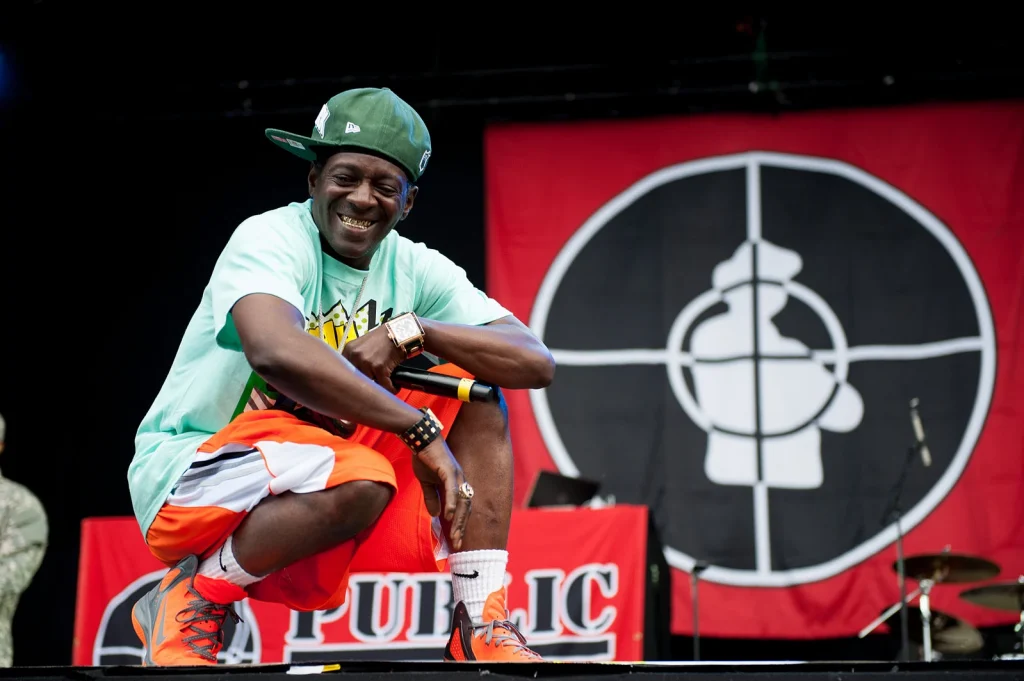
From the 1960’s onwards, hip-hop and reggae artists started incorporating loops and samples to make music. As the popularity of sampling grew, the number of tools available to artists increased considerably. Samplers like the Akai S950, Akai MPC, and the E-mu SP-1200 are now legendary collector’s items, but back in the 1980’s, they were the bread and butter of hip-hop producers like Public Enemy and De La Soul.
With the advent of DAW’s in the 2000’s, sampling became even simpler and more accessible. All digital audio workstations allow looping and editing audio material, giving you infinite solutions when creating new beats.
What is Phrase Sampling?
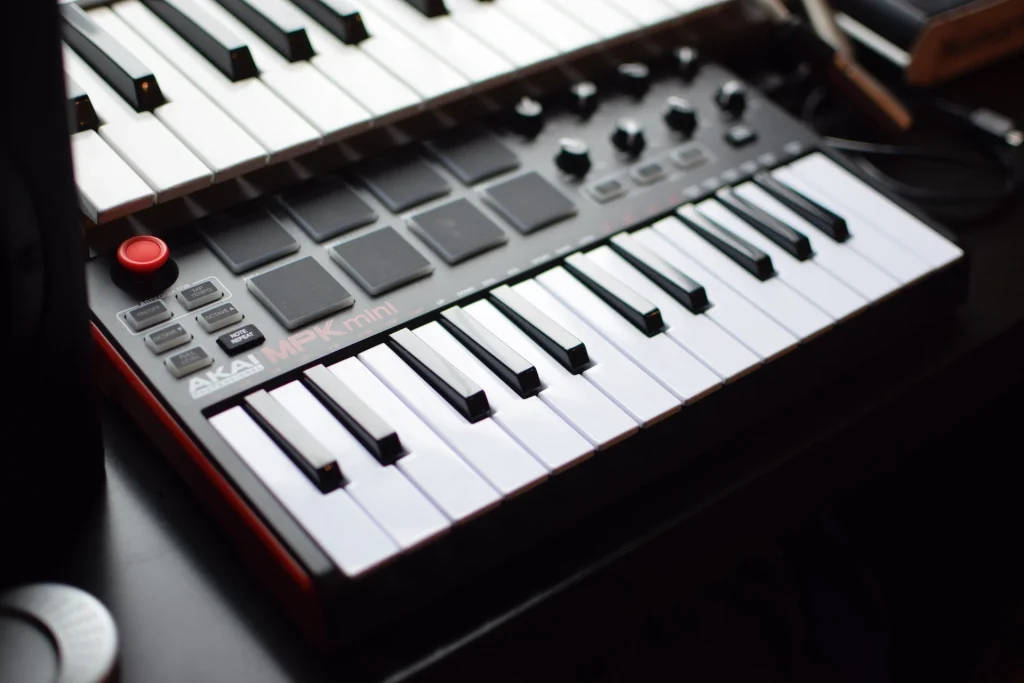
Phrase sampling is the act of recording and manipulating a piece of audio, which can either be used as a sampled loop or as a one-shot sample. The latter is different because it’s not part of the song’s main structure but an occasional sound which is often activated by a MIDI controller.
Where to Find Samples
Depending on your budget, musical skills, and approach to music production, there are different ways to get the samples you need for your music. The first and perhaps most straightforward way is to create the samples yourself.
All DAW’s offer tools to record, manipulate, and slice audio, so there's no easier way to get what you need to make your music than recording it on your DAW and editing it afterwards. This approach also ensures that you're not infringing on copyright, a worry which looms over every producer using someone else's samples without clearance.
Another way to get samples is to find royalty-free content, either on Free Sound or the dozens of other digital libraries out there. This content is free to use, but do check the terms and conditions, as you might need to credit the author.
Then there are paid-for sampling services like Splice, Soundtrap, and Tracklib, where you can find re-cleared audio content you can use for your music. If you have the budget, this is a great way to make music without worrying about copyright.
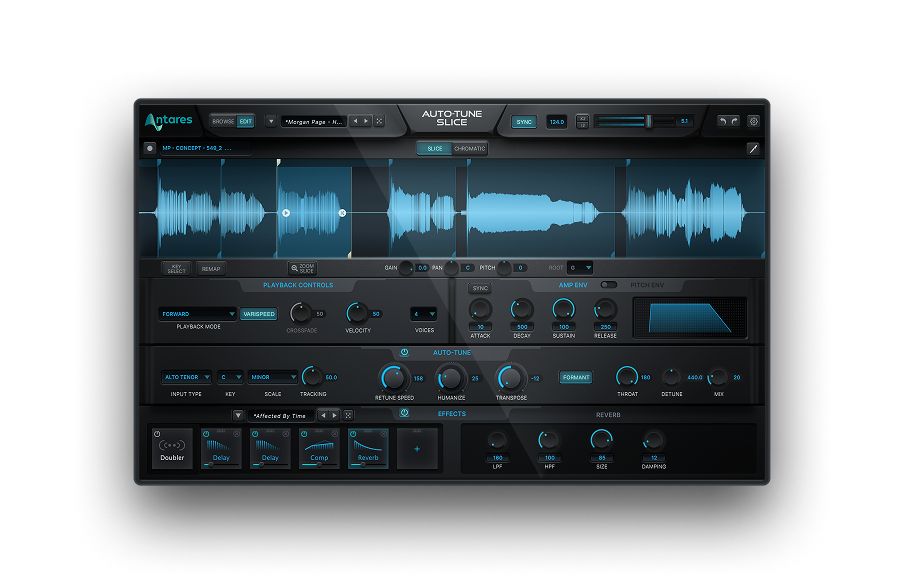
Then, of course, there's Auto-Tune Slice by Antares, the world’s most advanced vocal sampling instrument. With an ever-expanding library of professionally recorded vocals by cutting-edge artists, 14 effects dedicated to voice manipulation, and an intuitive all-in-one interface, Auto-Tune Slice is an essential tool for all producers who want to optimize their workflow and achieve industry-standard results.
Slice
The World’s Most Advanced Vocal Sampler
How to Choose a Song For Your Sample
To create a sample from scratch, all you need is a DAW and, depending on your approach to music production, either a music instrument or pre-recorded sounds. Regardless of whether you’ll record the loop yourself or not, the process of adding it to your track is identical.
If you need to find a sample to add to your piece, the best practice is to find a song where you can hear the part you want to extract clearly, undisturbed by other instruments or any voices. In this way, you’ll be able to create a clean loop and personalise it with other sounds.
All in all, the sample you choose should be memorable, easy to manipulate, and should have a catchy groove or melody.
How to Sample Your Song
If you extract your sample from an old jazz or funk recording, do whatever you can to polish and enhance the audio quality: add EQ and a compressor, and embellish it with some delay and reverb. The resulting loop should blend in seamlessly with the rest of your track.
The key signature is another crucial element to keep in mind when using samples. Make sure the key signature of the sample you're using is in line with the rest of your composition. Otherwise, your song's various elements will never blend in harmoniously.
Although ear training will undoubtedly help you, most samples you find in sound libraries already come with a tag key and optimal tempo. Additionally, most DAWs can recognize the key signature of a track in seconds.
How to Sample Legally
If you want to use someone else’s track, you need to ask permission to do so. Once the song is “cleared”, you can add it to your song and share it with the rest of the world. Depending on the artist’s notoriety, you might need to share part of the revenue with them, so make sure you clarify all of these details before you start distributing your track.
If you sample a piece of music without contacting the artist and their representatives (the record label), they might take legal action against you. Either way, there’s a big chance the AI governing the streaming platforms won’t let you upload the song. So, don’t try that.
The key signature is another crucial element to keep in mind when using samples. Make sure the key signature of the sample you're using is in line with the rest of your composition. Otherwise, your song's various elements will never blend in harmoniously.
Good luck, and stay creative!
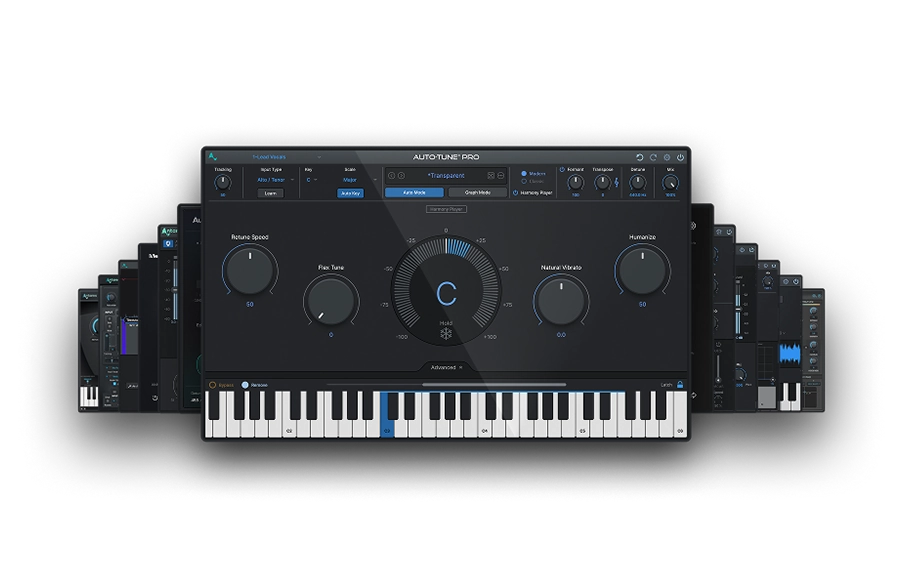
AutoTune Unlimited
The Ultimate Vocal Production Suite

Exclusive AutoTune Content

Slice

AutoTune Unlimited
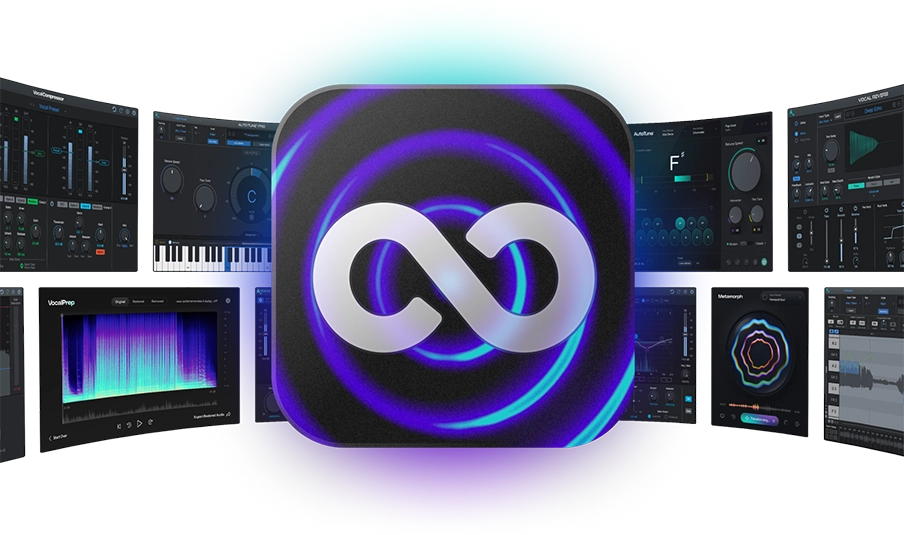
AutoTune 2026 and Metamorph
Now Included

Antares Editorial
Antares is a leading developer of software for music recording and live performance. For over 20 years, Antares has powered the music of top-charting and indie artists with products including the industry standard for pitch correction, AutoTune™.