

Over the last decade, lo-fi music has become one of the most popular genres online, with endless mixes and playlists available on all streaming platforms. The reason for its resurgence is simple: it’s an unobtrusive style you can enjoy while studying, commuting, or working out. Since it doesn't require your full attention, you can listen to it as you go through your day and make it the soundtrack of your life.
Lo-fi music has been around for at least four decades, yet there have never been so many producers focusing on this captivating genre. If you're reading this right now, you're probably interested in finding out more about Lo-fi and learning how to make Lo-fi beats yourself.
In this article, we'll delve into the history of lo-fi music and learn more about how to mix your lo-fi tracks perfectly. Let's dive in!
What Is Lo-Fi Music?
Essentially, lo-fi is the opposite of high-fidelity, meaning that a lo-fi song has an audio quality that we perceive as inferior compared to the standards of contemporary music.
Back when lo-fi music was invented in the '70s and '80s, sample-based hip hop was naturally lo-fi because of the way samples and recordings were processed. Today, similar results can be obtained digitally, with dedicated samples that can reproduce tape warble and vinyl crackle sounds.
Bit reduction also plays a crucial role in creating a lo-fi track, which results in a more imperfect and organic sound that's often the opposite of what you hear in over-polished productions these days.
The result is a nostalgic yet upbeat vibe that’s unique in today’s music realm.
The History of Lo-Fi Music
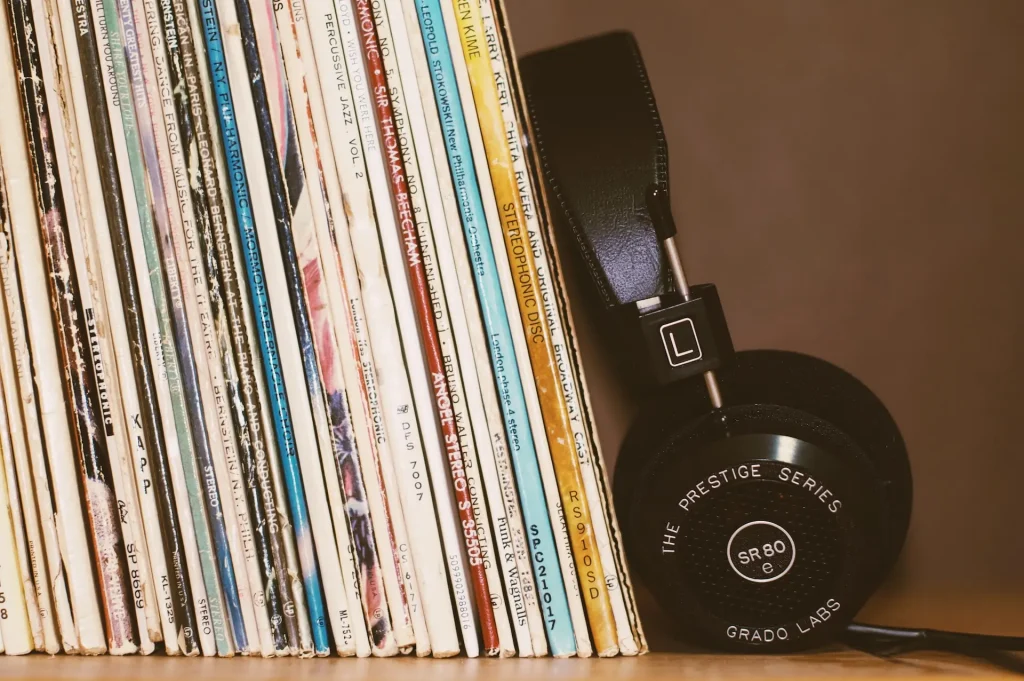
Today’s lo-fi music draws inspiration from hip hop music from the '80s and '90s, when it was popular to use samples from old jazz vinyl to create new beats. Making tracks in this way resulted in a low-fidelity effect that became a distinctive feature of sampled hip hop music back then.
Lo-fi music was less popular in the late 90s and early 2000s, when hip hop production focused on more polished sounds and the rappers' popularity. Plus, digital music production made it much easier to sample music without affecting the audio quality.
Lo-fi’s resurgence is a result of streaming platforms and a general revival of everything vintage in music. The moods and atmospheres of lo-fi music are a perfect background for everyday life, with simple melodies and a relaxing atmosphere that fits all kinds of situations.
On YouTube, you can find 24/7 radio stations broadcasting lo-fi music, ideal for people studying, working, or simply relaxing while reading. It’s background music that is made in such a way that it can be enjoyed in a variety of contexts.
Examples of Lo-Fi Music
There are endless producers exploring the lo-fi genre, seamlessly jumping from sub-genre to sub-genre. From down-tempo to chill-hop, you can find a plethora of music that falls into the lo-fi category while having a distinctive style.
A great introduction to the lo-fi genre is the YouTube channel Lo-Fi girl. Live-streaming the best lo-fi music from the ChilledCow label and other artists, the channel provides an all-encompassing overview of this fascinating genre, often visited by students who need background music for studying.
One of the most recognized and versatile artists is Lauri Achtè, also known as Kupla. The Finnish producer creates emotional soundscapes made of captivating melodies and mesmerizing ambient layers, perfectly mixed to create the lo-fi vibe we’re familiar with.
California-based artist Jinsang is another beatmaker who’s become known for the quality of his productions. The nostalgic effect and old-school atmosphere of his short tracks make his music recognizable in the midst of thousands of lo-fi producers out there.
Nohidea has been active since the mid-2010s, and one thing that distinguishes their style is the presence of vocals, creating a less ethereal but no-less-captivating lo-fi soundscape.
Samples For Lo-Fi Music
The right samples are crucial if you want to create the typical lo-fi atmosphere. First off, pick the right beat, which has to be in a 4/4 time signature with a BPM range of anywhere between 70 and 100. You can find beats on royalty-free dedicated websites, on YouTube, or get them directly from jazz records.
When it comes to piano and bass, focus on the nostalgic effect first: the melody needs to be laid-back, groovy, and memorable. There’s no one-size-fits-all solution when it comes to a lo-fi vibe, so you just have to feel it. Later on, we’ll talk more about the effects you can apply when creating the perfect lo-fi atmosphere.
Mixing Lo-Fi Music
Lo-Fi Beats EQ
Lo-fi music is minimal in nature, so when mixing this genre, you should try to make subtle changes and maintain the feel of your piece. Sonic imperfections are accepted as long as they enhance the relaxing and soothing properties of the song. So, when it comes to EQing your track, make sure sounds blend together naturally, and the overall result is clear and smooth.
Mitigate the high-end frequencies of your snare and hi-hat to make the song more fluid. As for the melody, reduce the lower/mid-range, so that the beat, piano and bass’ frequencies won’t cancel each other out.
Sidechain Compression
Sidechain compression is the best way to create the perfect balance between all the elements of your track. Simply put, this type of compression allows you to control the volume of one instrument by adjusting it accordingly to another instrument.
For instance, you can sidechain the bass and drums, so they won't interfere with each other. Also, consider sidechaining the instruments that make your melody so that you can bring life to a carefully-balanced and pleasant soundscape.
You can’t create the smooth effect of lo-fi music if your vocals have sibilant sounds: they’re hard to remove and compromise the chilling effect of the genre. Luckily, there’s a plug-in that can help you polish your vocals and mix them perfectly with the rest of your old-school beat.
The Vocal De-Esser plug-in is the ultimate solution for producers who need polished, high-quality vocals for their lo-fi productions. Remove all harsh frequencies while leaving the rest of your song untouched thanks to this plugin with built-in sidechain compression. This allows you to use the effect only when the sibilant sounds are too harsh, resulting in a subtle yet game-changing sonic effect.

Vintage Saturation
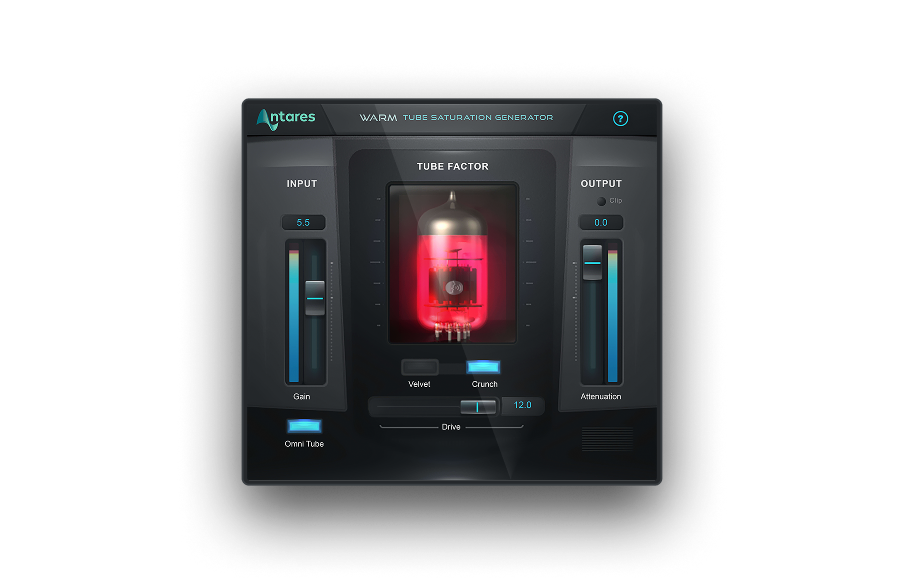
Saturation should feel as authentic as possible, which is why you should look for plugins that perfectly recreate the warmth of vintage studio gear. Plug-ins can do wonders these days, so it shouldn’t come as a surprise that some effects can emulate the tone and sound of old analog hardware.
The Warm plug-in from Antares is an ideal solution if you want to enhance the natural properties of your lead instrument or vocals, thanks to a realistic tube saturation emulator that adds depth to any kind of sound. You can add Warm to all of your tracks, creating a coherent soundscape that’ll sound authentic and professionally recorded.
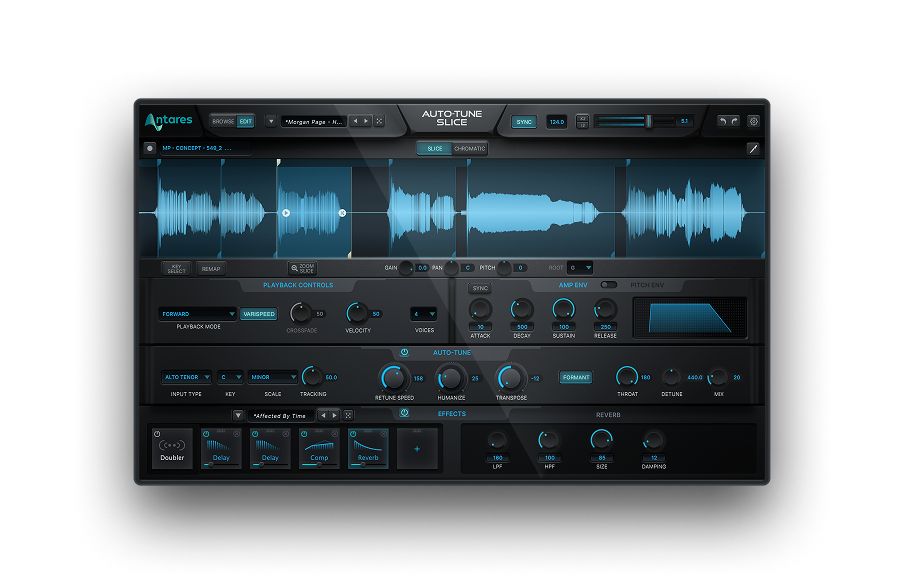
If you’re looking for the ultimate solution to manipulate your samples, look no further than Auto-Tune Slice, the plug-in by Antares that offers a constantly expanding library and endless effects to create your unique sound.
With a library of exclusive vocal recordings by cutting-edge artists, and fourteen onboard effects to personalize your track, you can create a new piece in minutes, rearrange all the track's elements, and optimize it for release: everything you need with one plug-in and the most intuitive interface you can possibly find.
Other Lo-Fi Effects
Effects like delay, chorus, and reverb will enhance the ethereal vibe of your track, but remember that in this genre, it's good practice subtlety when applying effects. Add reverb to glue together all the elements of your track, and a delicate delay will help make your track more captivating. These are the final touches to your track and are often what differentiate a carefully-crafted lo-fi song from an amateurish-sounding track.
Master Bus Processing
The final step of creating your lo-fi track is to compress the entire song, ensuring the sound coming out from the speaker is coherent and well-balanced.
Lo-fi tracks are usually over-compressed, meaning the sidechain compression is doing most of the balancing between different instruments. If you feel that your song lacks clarity, you can enhance the higher frequencies of the lead instruments as long as it won’t affect the groovy effect you have already obtained.

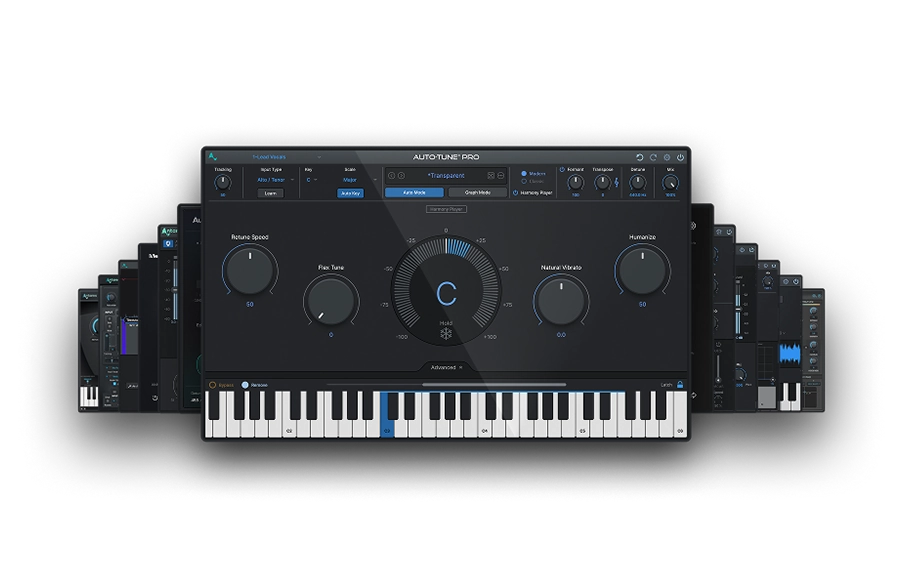
AutoTune Unlimited
The Ultimate Vocal Production Suite

Exclusive AutoTune Content

Warm

Slice

AutoTune Unlimited
AutoTune 2026 and Metamorph
Now Included

Antares Editorial
Antares is a leading developer of software for music recording and live performance. For over 20 years, Antares has powered the music of top-charting and indie artists with products including the industry standard for pitch correction, AutoTune™.