

If you're wondering why songs on Spotify sound so polished or how professional albums achieve such a cohesive, immersive sound across different playback devices, you're in the right place. This article will analyze the importance of mastering, a process that optimizes the listening experience and helps your music reach industry standards.
In our digital era, defined by short attention spans and fierce competition, having a professional and polished sound is more crucial than ever. That's where mastering comes in: these final touches can take a good mix to the next level, giving it the right energy to stand out.
Definition of Mastering
Mastering is the final step in music production, where a skilled audio engineer uses specific effects to ensure your music will sound great on all playback systems. Often, this means adjusting the tonal balance, dynamics, stereo imaging, and overall loudness, as well as designing a smooth transition between tracks.
The role of a mastering engineer is to prepare an album for physical and/or digital distribution, ensuring its loudness is coherent and in line with the distributors' requirements, that the stereo imaging is appropriate, and that the final sound is in line with what the artist envisioned.
Importance of Mastering

Mastering is a crucial step for multiple reasons.
First, it ensures that the track will sound great across all playback systems, whether it's a high-quality home stereo, a car sound system, headphones, earphones, or a cheap Bluetooth speaker. By carefully adjusting the dynamics, your music can sound powerful and authentic on any device, bringing your music to life regardless of how people listen to it.
Second, mastering brings continuity to an album. When you adjust each track's volume, tone, and dynamic range, the songs will flow smoothly and consistently without noticeable differences.
Third, mastering can bring out the full potential of a recording. Using techniques such as EQ, compression, and stereo imaging, you can enhance certain aspects of the mix (such as the punch of the drums) and make your song stand out.
Techniques and Processes in Mastering
Equalization (EQ): EQ is used to adjust the balance of frequencies in a mix, allowing you to enhance or reduce a certain range of frequencies to achieve the desired balance.
Compression: Compression lowers the dynamic range of a mix, making the quieter parts louder and the louder parts quieter. This helps to prevent any elements from getting lost in the mix. For example, you might use compression to bring up the level of a quiet guitar part or tame a drum kit's peaks.
Saturation: Saturation adds harmonic distortion to a mix, giving it a warm and vintage sound. For example, you might want to use saturation on a drum bus to give the drums more impact.
Stereo Enhancement: Widen or narrow the stereo image of a mix. This part makes the mix sound more immersive and captivating.
Limiting: Limiting is used to prevent the peaks of a mix from clipping. Just set the maximum level or "ceiling" of the overall volume, and voilà!
Audio Restoration: Removes unwanted noise, clicks, pops, and other imperfections from a recording, using tools such as noise reduction, de-clicking, and de-essing.

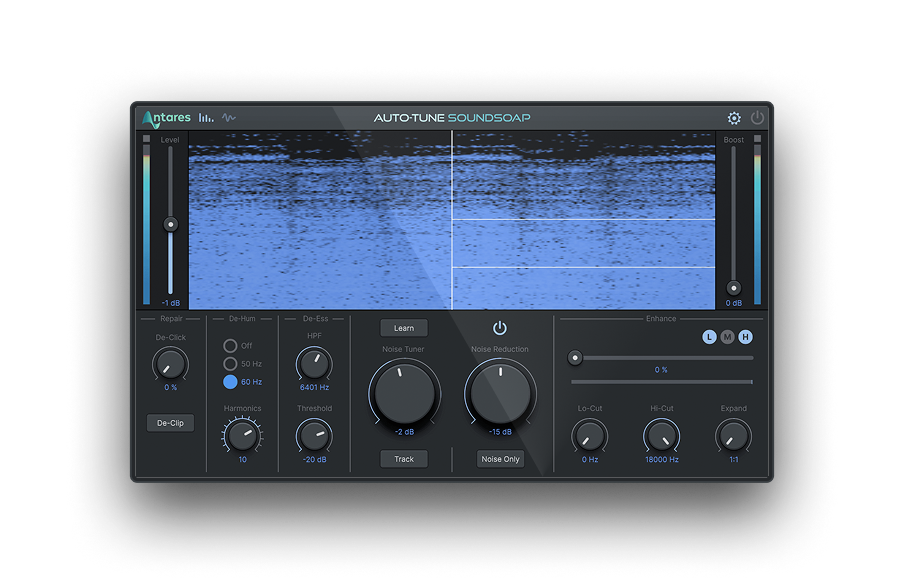
SoundSoap
The Fastest and Easiest Way To Clean Your Audio Tracks
Distinctions between Mixing and Mastering
Mixing is the process where you combine multiple tracks into a stereo mix, with the goal of creating a balanced mix where all the instruments and vocals are clearly audible and cohesive.
Mastering is the next step: preparing a final stereo mix for distribution. While the mixing engineer works on each instrument individually to achieve a cohesive effect, the mastering engineer focuses on the song as a whole, ensuring the audio levels are balanced, and the album sounds consistent.
Mixing requires excellent attention to detail, as each instrument and vocal needs to be carefully balanced and processed to achieve the desired sound. Mastering, on the other hand, involves a more holistic approach where the engineer has to focus on the overall sound of the mix rather than the individual elements within it.
Another critical difference between mixing and mastering is the role of the engineers. While the mixing engineer is typically involved in the recording and production process from the beginning, the mastering engineer is usually brought in at the end to add the final touches to the mix. This means the mastering engineer has a fresh perspective on the mix and can bring a new set of ears to the project.
Benefits of Professional Mastering

While it can be tempting to master your own music using free online tools or software, there are several benefits to getting a professional mastering engineer.
First and foremost, professional mastering engineers have years of experience and access to high-end equipment and software, which allows them to make subtle adjustments to your mix that can make a big difference in the final sound.
In addition, a mastering engineer will carefully adjust the levels and dynamics of your mix but also keep your vision in mind to ensure your sounds can be perfectly reproduced on different speakers, headphones, and other listening environments.
Another benefit of professional mastering is that it can save you time and effort. Mastering can be time-consuming, so by outsourcing, you can focus on other aspects of your music production and still be confident that the final product will sound fantastic.
Not all mastering engineers are the same, so do your research and find a reputable and experienced professional. Look for mastering engineers with an extensive record of working within your music genre and who have released excellent music over the years.
DIY Mastering Tips
If you decide to master your track DIY-style, these tips can help you stay on the right path:
- Find a quiet place with good acoustics and use high-quality audio gear. While it's possible to achieve decent results with free or low-cost tools, investing in good studio monitors and mastering software can make a big difference in the final sound.
- Mixing comes first. Before you start mastering your song, make sure you’re working with a well-balanced mix. If you feel individual tracks are fighting for your attention, there is no point in jumping into the final step. It's difficult to achieve professional results with a poorly mixed track, so take the time to get the mix sounding as best as possible before moving on to mastering. Check that all instruments and vocals sound clear and that there is no excessive frequency build-up. Consider using an EQ to balance the mix and address any frequency issues.
- Set enough headroom and pay attention to proper gain staging. At this stage, you want to avoid distortion at all costs.
- Apply compression to control dynamics and create consistency, but don't overdo it!
- Use stereo enhancement techniques to create a sense of space and check the mono compatibility for playback on different systems.
- Use limiting to get a suitable level of loudness for the final mix. Make sure you preserve the dynamics and avoid compromising the audio quality.
- Compare your mix to professionally mastered tracks in the same genre to define how it should sound, and adjust the mastering accordingly.
- Listen to your mix on different playback systems, such as headphones, speakers, car audio systems, cheap earphones, etc.
Common Mistakes to Avoid in Mastering
When mastering your own music, there are common pitfalls that can downgrade the quality of your work.
- Overprocessing can lead to an unnatural sound that takes away from the original mix.
- Inadequate monitoring is another issue to watch out for, as you might not notice some imperfections in your tracks, which could be more audible when people listen to your music. Studio monitors and headphones will save your life!
- Avoid heavy limiting, as this can result in a lack of dynamics and a listening experience that's exhausting to the ears.
- If you haven't done any acoustic treatment to your room, you might not catch some sonic inaccuracies, so always consider this when making decisions during mastering.
- Take breaks. Long hours in a song's loop will make it more likely to ignore some details. So take breaks, ask for feedback from others, or, once again, consider hiring a mastering engineer to give you a fresh perspective.
Final Thoughts
Mastering can turn a rough demo into a radio hit when done right. It's an essential step to boost your career and help you reach your audience with memorable music. Don't overestimate the importance of this process: professional mastering can magnify the quality of your music and help you achieve a new level in your career.
Good luck!

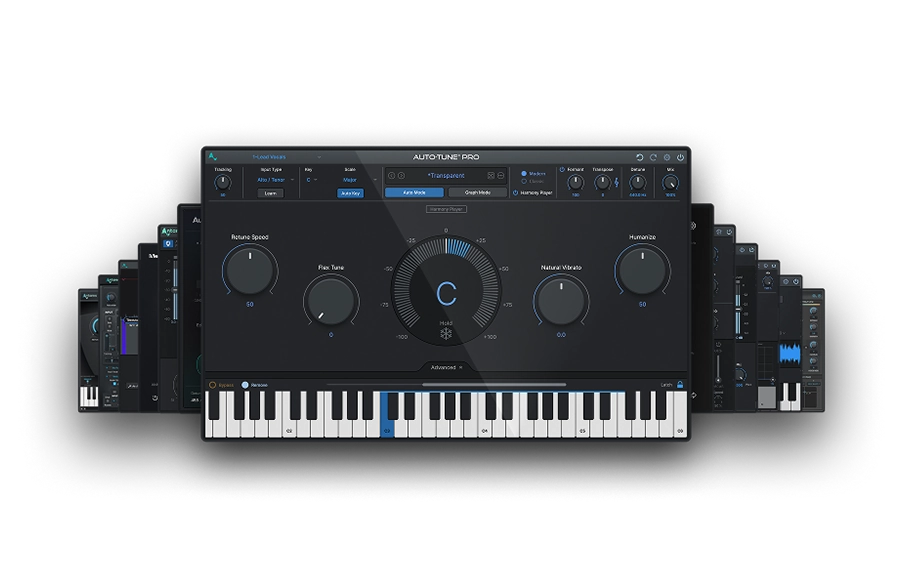
AutoTune Unlimited
The Ultimate Vocal Production Suite

Exclusive AutoTune Content

AutoTune Pro
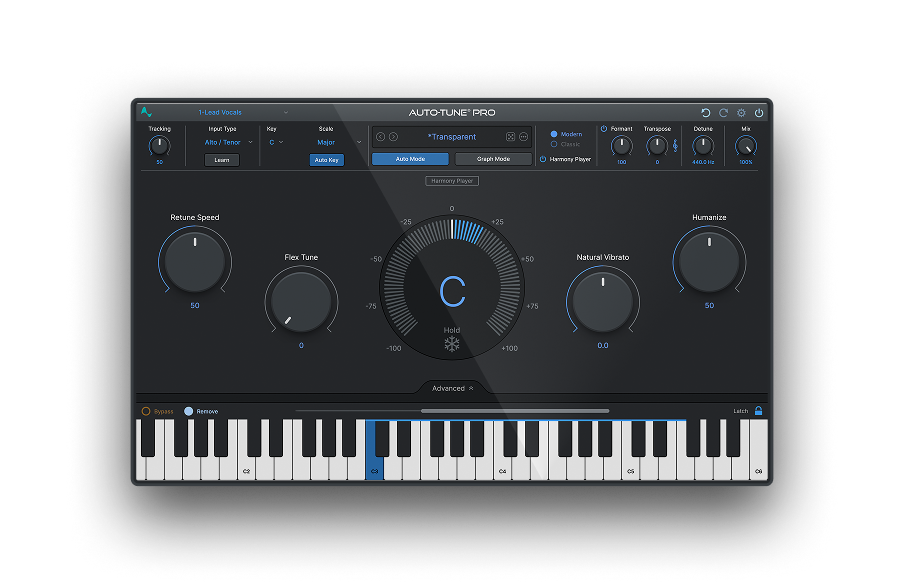

AutoTune Unlimited
AutoTune 2026 and Metamorph
Now Included

Antares Editorial
Antares is a leading developer of software for music recording and live performance. For over 20 years, Antares has powered the music of top-charting and indie artists with products including the industry standard for pitch correction, AutoTune™.