
How Autotune was Invented
The story of AutoTune began in 1997 with an unlikely source. Dr. Andy Hildebrand, the inventor of AutoTune, was a mathematician and engineer with a background in seismology. He was not looking to change pop music, but he realized he could use the same mathematical principles he applied to seismic data to identify and adjust pitch in audio. Entertainment Weekly explains that this transition from geological data processing to studio vocal production was a profound pivot as the software evolved from a simple corrective utility into the cornerstone of modern vocal sound.
How Cher and AutoTune Changed Music History
In 1998, producers Mark Taylor and Brian Rawling were working with Cher on the song “Believe.” They were struggling to find the right sound for the verses. During a break, they experimented with an early version of our pitch correction software. They pushed the retune speed to zero, which forced the software to snap the vocal pitch to the nearest note instantly. The result was the iconic, robotic sound that defined the track.
How the Pitch Correction Software Switched from Tool to Instrument
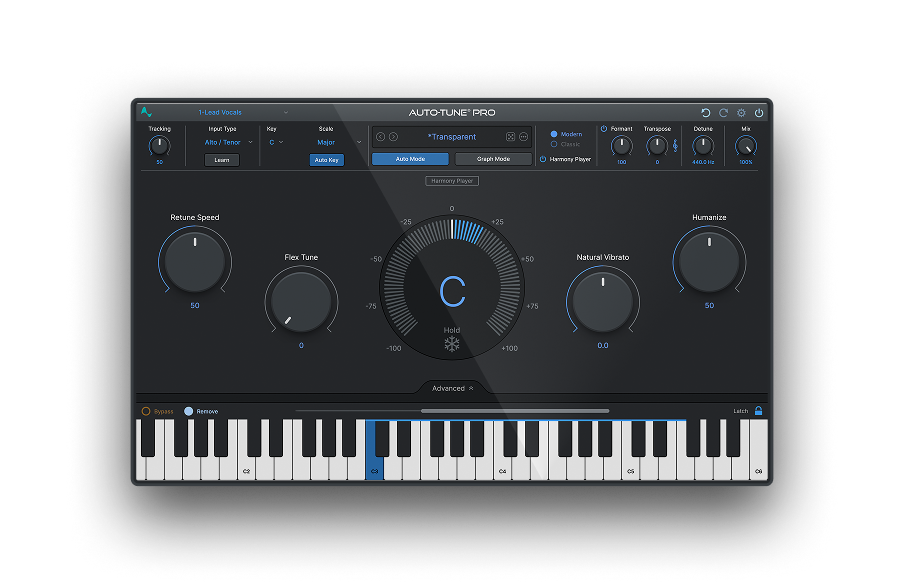
The Believe effect worked because it was unexpected. It turned a corrective tool into an instrument. By using the zero retune speed, the producers transformed a human voice into something digital and otherworldly. This is the same power available to you in AutoTune Pro. Whether you are looking for subtle, natural correction or the hard, rhythmic tuning that defined the late 90s, the modern iteration of this technology gives you total control. If you are ready to experiment with these sounds, AutoTune 2026 offers the most advanced control over your vocal character.
The Legacy of Pitch Correction Software and Artists
After “Believe”, the landscape of pop music shifted. Artists like T-Pain, Kanye West, and Bon Iver embraced the effect, each using it to define their own unique sonic signature. What began as a secret production trick became a staple of modern music production. While “Believe” proved that vocal processing could be a creative centerpiece, the true democratization of pitch correction happened as the technology became faster, more accessible, and easier to integrate into any studio workflow. Today, the tools that were once limited to high end studios are available to every creator. If you want to experiment with these sounds and access the full suite of our professional tools, you can explore AutoTune Unlimited.
AutoTune and 2000's Music
The immediate response from the music industry to "Believe" was cautious fascination.
Pop and R&B producers started experimenting with the effect in their own sessions, though most of them used it sparingly and never pushed it quite as far as Taylor and Rawling had. The sound showed up in scattered places across the late 1990s and early 2000s, always with a sense that the producer was testing how much the audience would accept.
The answer, it turned out, was quite a lot.
By the time T-Pain released his debut album in 2005 and built his entire artistic identity around a heavily processed AutoTune vocal, the technology had moved from a studio secret to a recognized stylistic choice. T-Pain did not just use the Cher effect. He built on it, refined it, and made it the foundation of a string of top-ten hits that proved the sound could carry an entire career.
What T-Pain understood, and what "Believe" had first demonstrated, was that audiences do not actually want everything to sound “natural”. They want things to sound “right” for the emotional moment. Sometimes, “right” is polished and clean and sometimes it’s a voice that snaps between pitches in a way that no human throat could ever produce, and somehow makes you feel exactly the feeling the song is trying to give you.
AutoTune's Developments in Pitch Correction Software
The sound that changed music in 1998 is the same technology inside AutoTune 2026, rebuilt from the ground up with greater precision, lower latency, and more creative control than any previous version.
Whether you want the subtle, transparent correction that makes a vocal simply sound its best, or you want to push the effect the same way Taylor and Rawling pushed it in that session in 1998, the full range of that creative territory is available to you right now.
AutoTune 2026 includes Classic Mode, which replicates the character of the original AutoTune sound that shaped "Believe" and every record that followed it. Modern Mode gives you Flex Tune and Humanize controls for more nuanced, natural-feeling correction. Artist presets from producers like Zedd, DJ Swivel, and Major Seven give you professional starting points in seconds.AutoTune evolved from a studio curiosity into the industry standard for vocal production. Now, the same technology that defined the sound of the last three decades is ready for your studio. Explore our full range of pitch correction products and start defining your own sound today.

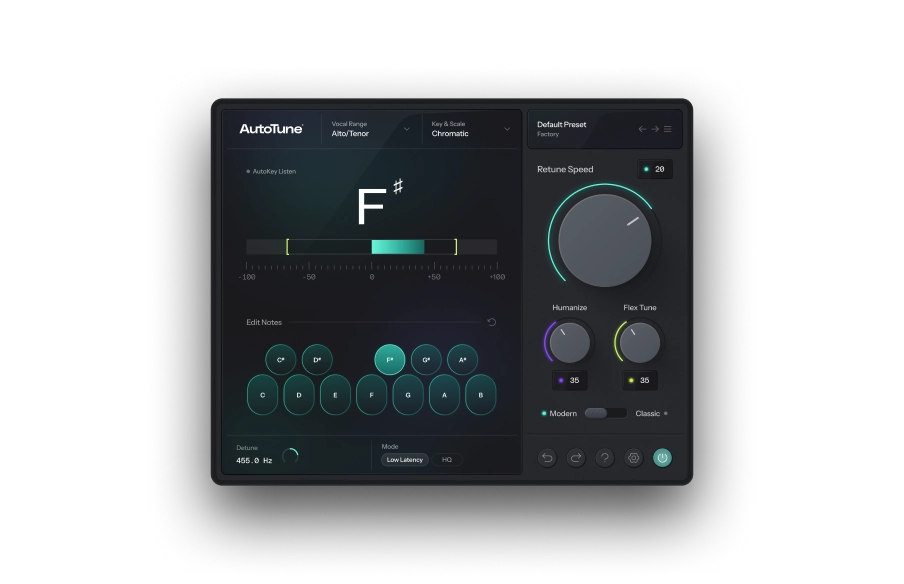
AutoTune 2026
Pro Vocals in Seconds

Exclusive AutoTune Content

AutoTune Pro

AutoTune Unlimited
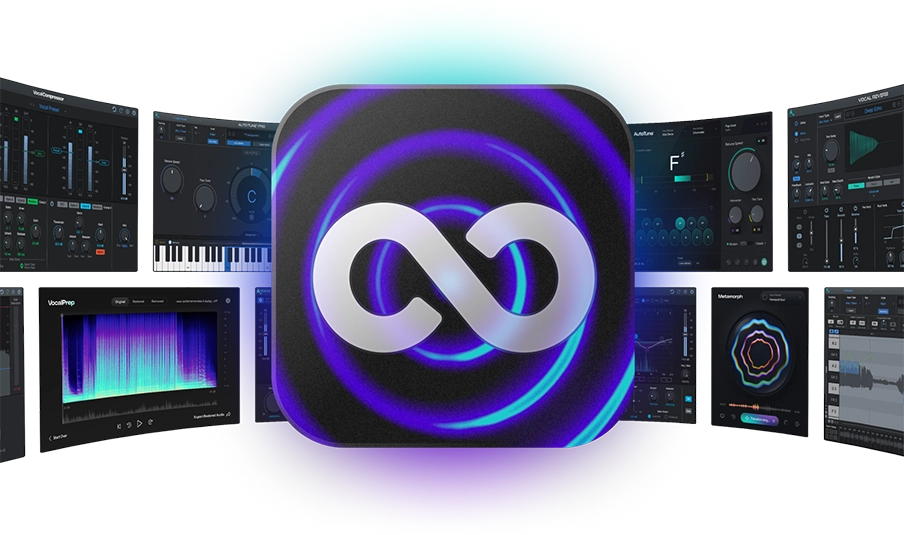
AutoTune 2026 and Metamorph
Now Included

Antares Editorial
Antares is a leading developer of software for music recording and live performance. For over 20 years, Antares has powered the music of top-charting and indie artists with products including the industry standard for pitch correction, AutoTune™.