

Standard vocal processing makes vocals sound clean, balanced, and professional. It removes problems, controls dynamics, shapes frequencies, and adds appropriate space. But standard processing creates standard sounds. When every producer uses the same approach with the same tools in the same order, all vocals begin to sound similar, competent but unremarkable.
Creative vocal texture transforms vocals from standard clarity into signature sounds that define productions. These are the vocals that make listeners stop and ask how you created that sound. The vocals that become instantly recognizable. This transformation comes not from different tools but from using standard tools in unexpected ways, stacking effects in unusual orders, and pushing processing into creative territory.
What vocal texture Means
Before exploring specific creative techniques, understanding what vocal texture means and how it differs from vocal tone provides crucial context.
Tone describes the frequency balance of a vocal. Bright vocals have emphasized high frequencies. Dark vocals have reduced high frequencies. Warm vocals have particular energy in the low-midrange. These tonal characteristics remain relatively constant throughout a performance. When engineers adjust tone, they're reshaping the frequency spectrum to create balance or emphasis.
Texture describes how a vocal changes and evolves over time. It encompasses movement, modulation, harmonic complexity, spatial characteristics, and all the dynamic elements that make vocals feel alive rather than static. Examples include the shimmer of modulated delay, the granular quality of heavily processed vocal chops, the layered density of multiple harmony voices, or the aggressive edge of saturated vocals.
When producers create texture, they're adding character that makes vocals more interesting or distinctive. This isn't about fixing problems but introducing intentional complexity that serves creative goals. A vocal might be tonally balanced and perfectly mixed but texturally bland, technically competent but creatively unexciting.
Serial Effects Chains for Cumulative Character
Traditional vocal chains use serial processing where each element prepares the signal for the next. Creative serial chains follow the same principle but with creative goals rather than corrective ones, stacking effects to build cumulative character that no single effect could produce.
One powerful creative pattern applies subtle saturation early in the chain, then follows with modulation effects like chorus or phaser. Warm provides tube-style saturation that adds harmonic content without obvious distortion. When set where the effect barely registers on the fundamental vocal, it creates richer and more complex harmonic material. Chorus inserted after saturation then modulates this harmonically enriched signal with moderate depth and slow rate. The chorus moves through the harmonic content the saturation created, producing shimmer and movement that feels organic rather than synthetic.
Another creative serial pattern uses aggressive filtering to create unusual tonal character, then adds delay that emphasizes this filtered quality, then adds reverb around the delayed filtered sound. Dramatic band-pass filtering isolates a narrow frequency range, creating telephone-like vocal quality. Rhythmic delay synchronized to tempo emphasizes the filtered character. Reverb creates space around this filtered delayed signal, building ethereal, atmospheric quality where layers of filtered delayed reverb interact.
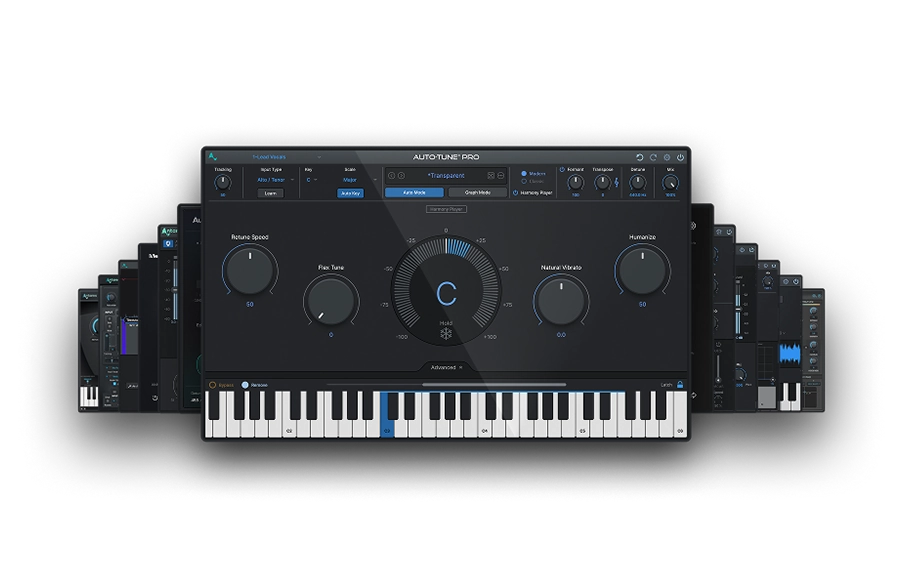
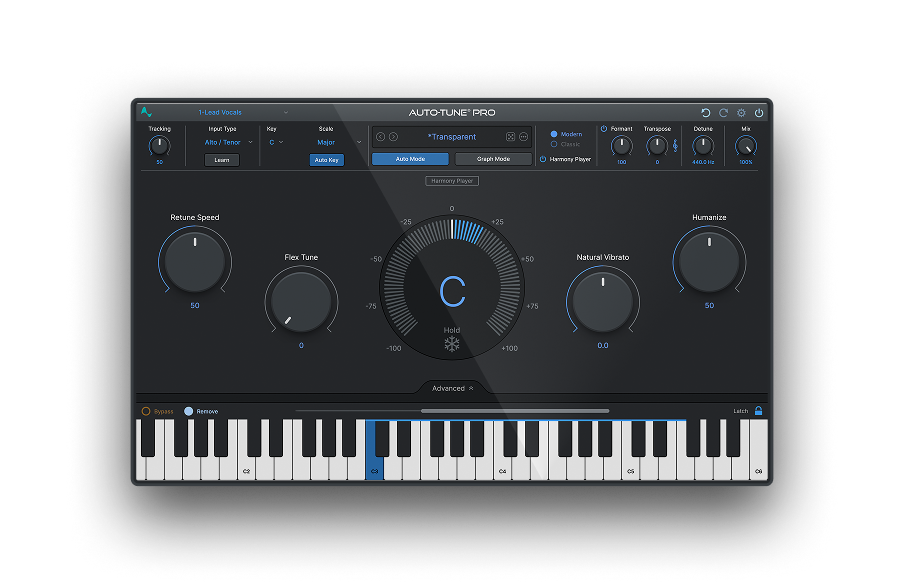
AutoTune Pro 11's Harmony Player creates instant four-voice harmonies from single vocal takes, providing rich harmonic content that becomes source material for further creative processing. When aggressive AutoTune effect with zero retune speed creates the iconic hard-tuned quality, the Harmony Player generates harmonies that sit in perfect phase coherence. All five voices, the original hard-tuned lead plus four generated harmonies, can be routed to a group bus where creative effects transform the ensemble into dense, almost synthesizer-like texture.
For comprehensive creative effects processing, AutoTune EFX+ 10 combines the AutoTune effect with multi-effects processing including chorus, saturation, delay, and more in a single plugin. This all-in-one approach simplifies building complex effects chains while maintaining the quality of dedicated processors.
Parallel Effects Chains for Layered Complexity
While serial chains create cumulative character through sequential processing, parallel chains create layered complexity by combining multiple different processed versions of the same source material. This approach allows extremely aggressive processing that would destroy vocals if applied serially but adds exciting character when blended carefully.
Parallel compression ranks among the most popular vocal processing techniques. Vocal Compressor's dual-stage architecture makes this technique accessible. Engineers send vocals to a parallel aux with aggressive compression settings, fast attack, high ratio, and heavy gain reduction. When blended underneath the main vocal at 20-30%, the parallel compressed signal adds power and energy while the dry vocal maintains natural dynamics and transients. This creates the punchy, controlled sound heard across modern vocal production.
Complex spatial texture emerges when routing through multiple different reverb and delay processors in parallel. Vocal Reverb's multiple algorithms and Auto-EQ make this parallel spatial approach practical within a single plugin instance. The ability to automate between Room, Plate, and Hall algorithms at different song sections creates evolving spatial character. The Auto-EQ with pitch tracking prevents the low-frequency buildup that complex parallel spatial processing often creates, keeping layered reverbs clear and defined.
Modulation and Movement Effects
Static vocals can become monotonous across an entire song. Modulation effects create movement and evolution that maintains interest and adds life to vocal performances.
Chorus creates the illusion of multiple voices by modulating pitch and timing, creating subtle detuning that sounds like an ensemble. When set with slow modulation rate and shallow depth, chorus creates gentle movement that makes vocals feel more alive without obvious modulation. More aggressive settings with increased rate and depth create noticeable shimmer and warbling character. AutoTune EFX+ 10 includes chorus alongside its AutoTune effect and other modulation tools, enabling stacked effects within a single plugin.
Flanger creates more dramatic modulation through extreme feedback and resonance, producing the classic jet-engine sweep. The feedback parameter determines how pronounced the effect sounds. When automated to activate only on key lyrics, flanger creates memorable emphasis moments. This selective application prevents monotony while maximizing impact.
Phaser creates modulation through all-pass filtering rather than delay-based modulation, producing swirling or swooshing character. Phaser works particularly well on background vocals and harmonies where movement is desired without the pitch-based modulation of chorus that might conflict with harmony relationships. The frequency-domain movement creates space without detuning.
Extreme Processing for Special Effects
Beyond enhancement and moderate creative processing, extreme effects create vocal textures so heavily processed that they barely resemble human voice. These special effect textures serve specific creative purposes in modern production.
Vocoders analyze the frequency content of a vocal and impose that spectral character onto a synthesizer, creating robotic speech where the synthesizer provides tone and harmonic content while the vocal provides articulation and rhythm. Vocodist provides classic vocoder effects with modern control and multiple bands of frequency analysis. More bands create more intelligible vocoded speech while fewer bands create more synthetic quality. The choice of synthesizer sound dramatically affects character, simple waveforms create classic robotic vocals while complex harmonic sounds create rich, dense textures.
Granular synthesis divides audio into tiny grains, then recombines these grains to create texture ranging from subtle to completely transformed. Dense granular processing with many overlapping grains creates smooth, sustained textures from transient vocal sounds, stretching a single word into ambient pad lasting many seconds. Sparse granular processing with few widely spaced grains creates stuttering, glitchy textures where individual grain fragments become rhythmic texture generators.
Ring modulation multiplies a vocal signal with another signal, typically a sine wave, creating sum and difference frequencies that are harmonically dissonant. This creates the classic sci-fi alien voice effect, metallic and inharmonic. When blended parallel underneath clean vocal at just five to ten percent, ring modulation adds interesting inharmonic shimmer that makes vocals sound futuristic without complete loss of intelligibility.
Building Your Signature Sound
The ultimate goal of creative vocal texture is developing signature sounds that become recognizably yours. This requires experimentation, documentation, and refinement of processing chains that create unique character.
Dedicated experimentation time without project pressure allows discovery of interesting textures. Loading a vocal recording and trying extreme processing combinations purely to discover what sounds interesting reveals occasional textures that justify the search. Documenting these discoveries by saving processing chains as presets and taking notes about what makes them interesting builds a personal library of creative vocal textures organized by character and potential use. This library becomes a palette of signature sounds available for actual productions rather than hoping to stumble upon interesting textures during time-pressured mix sessions.
Your Path to Unique Vocal Character
Creative vocal texture transforms technically competent vocals into memorable productions with unique character. Moving beyond standard processing into creative effects chains, parallel complexity, modulation, rhythmic effects, and extreme processing creates vocal sounds that stand out from the sea of technically adequate but sonically generic productions.
This creative exploration requires time, experimentation, and willingness to try processing approaches that might initially sound wrong or excessive. The most distinctive vocal signatures often come from pushing boundaries and trying combinations that break conventional mixing rules.
The complete vocal processing suite in AutoTune Unlimited provides both the foundational tools for standard processing and the creative possibilities for unique texture development. Try it free for 14 days and discover how professional vocal processing tools provide the foundation for creative texture exploration that defines signature sound.
AutoTune Unlimited
The Ultimate Vocal Production Suite

Exclusive AutoTune Content
Related Articles:

AutoTune Pro

AutoTune Unlimited
AutoTune 2026 and Metamorph
Now Included
Written by: Brian Davitt
Senior Manager, GTM at AutoTune
Brian has 15+ years of experience in the music industry, transitioning from his early 2000s roots touring with bands to becoming an audio engineering professional after earning his degree in 2011. Before joining AutoTune, Brian built his expertise working with legendary music technology brands including M-Audio, HeadRushFX, and Akai Pro. When he's not developing marketing strategies for AutoTune, Brian rocks out with his Math Rock band Between 3&4.