
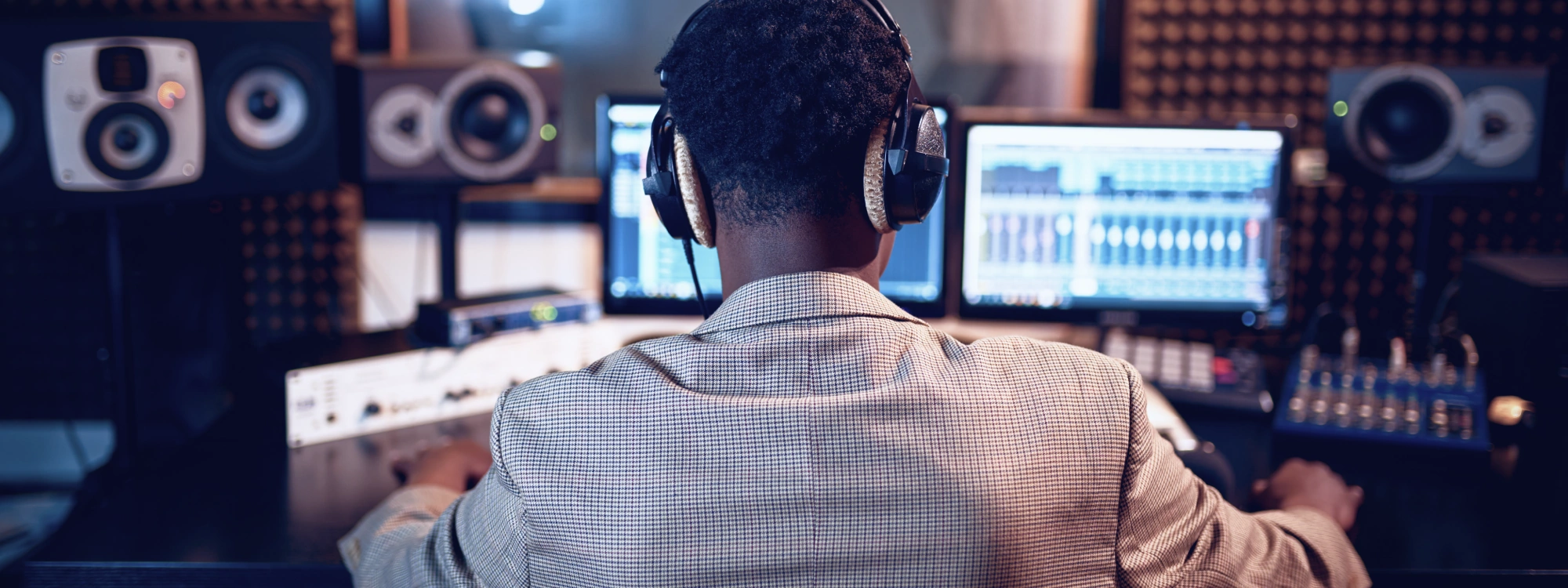
Learning music production has never been more accessible. A decade ago, you'd need expensive courses, formal education, or years of trial and error to develop professional skills. Today, the best resources are free, community-driven, and available the moment you need them. This guide covers where to learn, who to watch, and how AI tools like ChatGPT are changing the game for producers at every level.
Reddit: The Best Free Education You'll Find
Reddit hosts the most active and genuinely helpful music production communities online. Unlike YouTube comments or social media, Reddit's format encourages detailed responses, follow-up questions, and archived discussions you can search years later. Here's where to start:
General Production
- r/musicproduction (1.5M+ members) is the main hub for all skill levels. Post your questions, share works in progress, and search the archives for nearly any topic. The community is welcoming to beginners, and moderators keep discussion quality high.
- r/WeAreTheMusicMakers (2M+ members) focuses on the creative and business sides of making music. Great for understanding distribution, marketing, and the bigger picture beyond production techniques.
- r/audioengineering (800K+ members) leans more technical. When you're ready to dive deeper into mixing, mastering, and signal flow, this is where professionals hang out.
Genre-Specific Communities
- r/edmproduction is essential for electronic music producers. Detailed technical discussions, a strong feedback culture, and weekly threads for sharing your work.
- r/makinghiphop covers beat-making, sampling, and the rap production workflow. Daily feedback threads help you improve quickly.
- r/singing helps you develop the instrument you're recording. Technique advice, honest feedback on performances, and discussions about vocal health.
DAW-Specific Subreddits
Every major DAW has its own community: r/ableton, r/FL_Studio, r/Logic_Studio, and r/protools. These are invaluable when you're troubleshooting software-specific issues or looking for workflow tips from experienced users of your platform.
YouTube Channels Worth Your Time
YouTube tutorials vary wildly in quality. Some creators pad 3 minutes of information into 20-minute videos for ad revenue. Others deliver genuinely valuable education. These channels consistently respect your time:
Mixing and Production Fundamentals
- In The Mix breaks down complex mixing concepts into digestible lessons without unnecessary fluff. His vocal processing and EQ tutorials are particularly relevant if you're working with vocals.
- Produce Like A Pro features professional studio sessions with real artists. Watch how experienced engineers approach recording and mixing rather than just hearing about it.
- Pensado's Place offers interviews with Grammy-winning engineers and producers. Less tutorial-focused, but invaluable for understanding professional mindsets and workflows.
Practical Production Advice
- Reid Stefan emphasizes finishing songs rather than endlessly tweaking. Great for combating perfectionism and actually releasing music.
- You Suck at Producing combines humor with genuinely useful production techniques. The irreverent style makes learning feel less intimidating.
- Andrew Huang explores creative approaches to music-making, from unconventional instruments to experimental production challenges. Useful for breaking out of creative ruts.
Vocal-Focused Content
- Recording Revolution covers home recording techniques with a focus on getting professional results without expensive gear. His vocal recording tutorials are beginner-friendly.
- Mastering.com takes a structured approach to mixing education. His vocal chain tutorials walk through each processing step methodically.
How ChatGPT and AI Tools Are Changing Production Education
AI assistants have become surprisingly useful for music production learning. They won't replace hands-on practice, but they can accelerate your understanding in ways that weren't possible even two years ago.
What ChatGPT Does Well
- Explaining concepts at your level: Ask ChatGPT to explain compression "like I'm a complete beginner" or "with more technical detail." Unlike static tutorials, you control the depth.
- Troubleshooting specific problems: "My vocals sound muddy even after EQ cuts around 300Hz. What else should I check?" AI can suggest approaches you hadn't considered.
- Learning music theory on demand: "What chords work well after an Am in a pop progression?" Get instant answers without pausing your session to search YouTube.
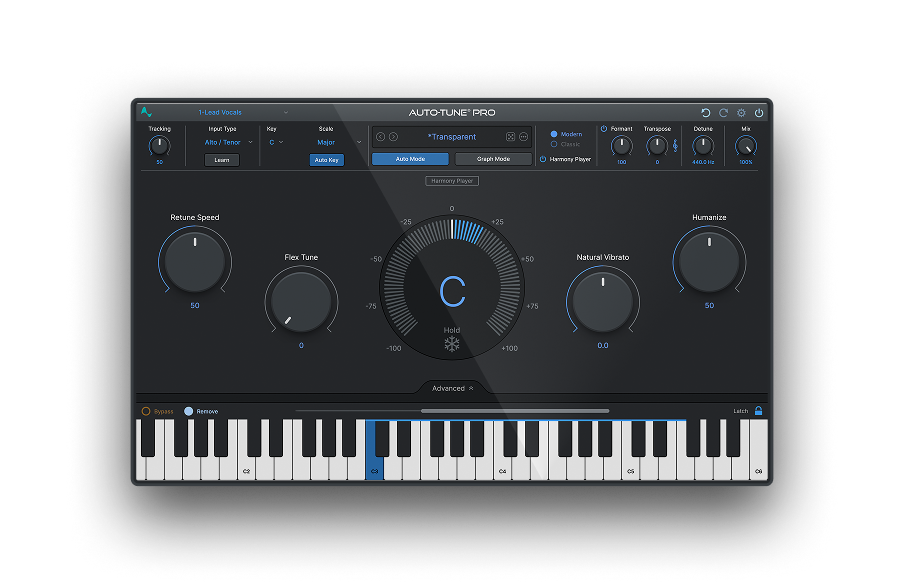
- Understanding plugin parameters: "What does the Humanize control do in AutoTune?" AI can explain features faster than hunting through manuals.
Where AI Falls Short
AI can't listen to your mix and give specific feedback. It can't tell you if your vocal sits right in the context of your particular song. It's a reference tool, not a mentor. Use it to understand concepts faster, then apply what you learn with your own ears as the final judge.
AI Inside Your Plugins
Beyond chatbots, AI is increasingly built into production tools themselves. Vocal Compressor uses machine learning to analyze your recording and suggest optimal compression settings. Vocal EQ auto-detects your voice type and highlights your natural frequency range. These Assist functions act like a knowledgeable engineer looking over your shoulder, giving you educated starting points you can learn from and adjust.
Other Resources Worth Bookmarking
Podcasts
- The Mastering Show dives deep into mastering concepts with industry professionals.
- URM Podcast features mixing engineers breaking down their approach to specific songs and genres.
- Song Exploder isn't production-focused, but hearing artists break down their creative process track by track is invaluable for songwriters.
How to Actually Use These Resources
The biggest trap for beginners is consuming content instead of creating it. Watching tutorials feels productive, but it's not a substitute for hands-on practice. Here's a framework that works:
- Set a ratio: For every hour of watching or reading, spend two hours doing. Your ears will develop faster from recording and mixing your own vocals than from watching someone else do it.
- Learn just-in-time: Instead of binge-watching tutorials, search for specific answers when you hit a problem. "How do I reduce sibilance" is more useful than a 4-hour mixing course when you're actually mixing.
- Post your work for feedback: Reddit's feedback threads and weekly roast threads accelerate learning faster than any tutorial. Hearing what strangers notice in your mixes reveals blind spots you can't identify yourself.
- Use AI as a starting point: Let ChatGPT explain concepts or troubleshoot problems, but verify what you learn by actually trying it. AI can be wrong, and your ears are the final authority.
Start Learning, Then Start Doing
The resources above represent thousands of hours of free education. Reddit communities offer peer support and accountability. YouTube tutorials provide visual demonstrations of every technique. AI tools answer questions instantly without judgment. Between these three, you have access to more production knowledge than any previous generation of musicians.
But knowledge without application is just entertainment. Pick one resource from each category, spend a few hours exploring, then close the browser and open your DAW. The real learning happens when you hit record. Ready to put what you learn into practice? Try AutoTune Unlimited free for 14 days and explore the full suite of vocal tools with AI-powered Assist features that help you learn while you work.

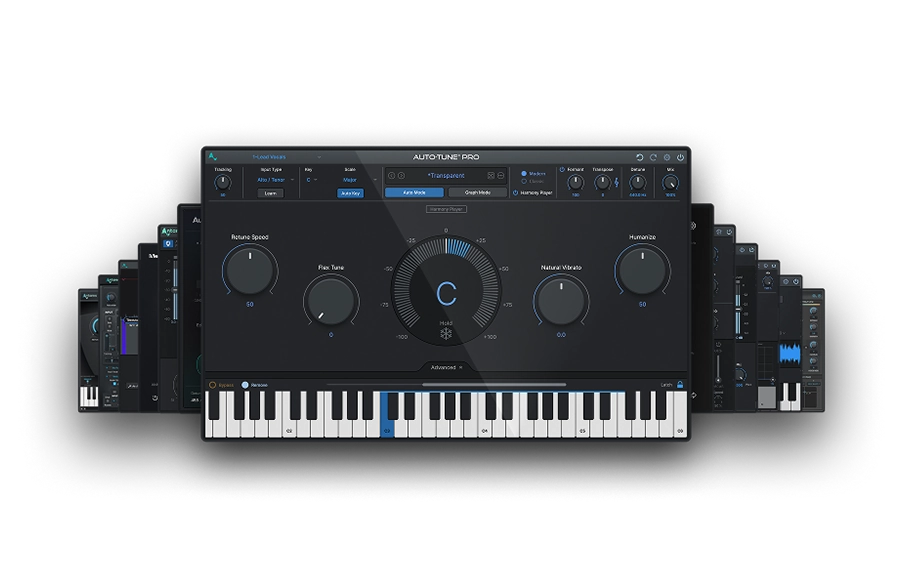
AutoTune Unlimited
The Ultimate Vocal Production Suite

Exclusive AutoTune Content

AutoTune Pro

AutoTune Unlimited
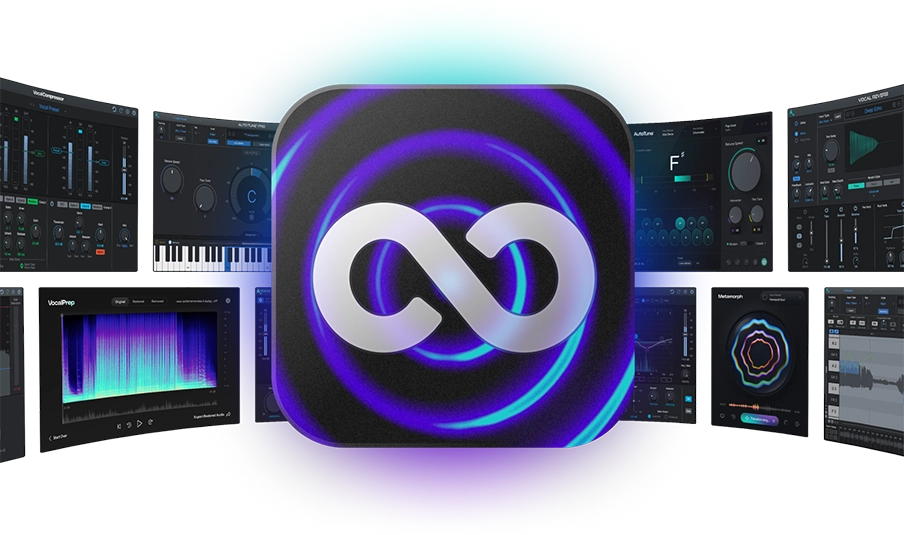
AutoTune 2026 and Metamorph
Now Included
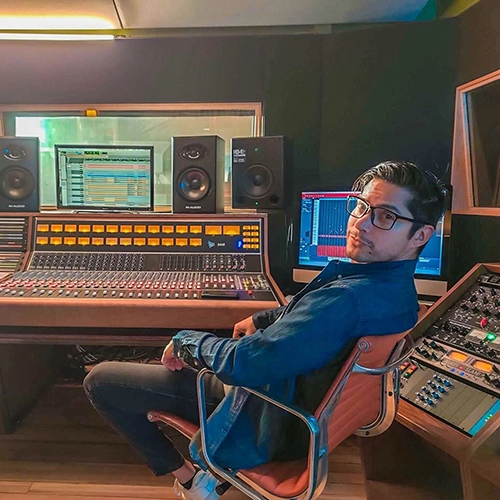
Written by: Brian Davitt
Senior Manager, GTM at AutoTune
Brian has 15+ years of experience in the music industry, transitioning from his early 2000s roots touring with bands to becoming an audio engineering professional after earning his degree in 2011. Before joining AutoTune, Brian built his expertise working with legendary music technology brands including M-Audio, HeadRushFX, and Akai Pro. When he's not developing marketing strategies for AutoTune, Brian rocks out with his Math Rock band Between 3&4.