
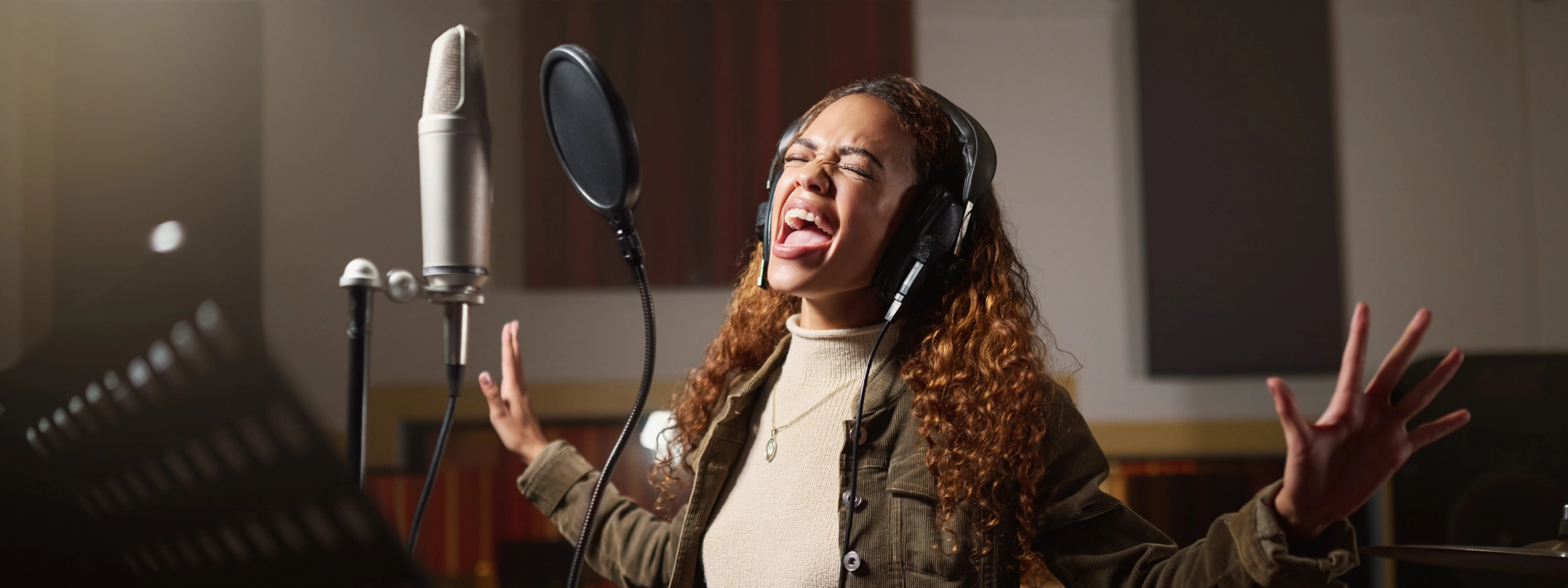
Technical skill matters. Microphone choice matters. Room acoustics matter. But the single most important factor determining whether your vocal recordings sound professional or amateur has nothing to do with equipment or acoustic treatment. The difference lives in your head, in the psychological state you bring to your performance.
Recording studios are psychologically challenging environments. You wear headphones that make your voice sound foreign. You know you can punch in and fix mistakes, which paradoxically creates pressure to be perfect. You're hyperaware that everything you sing is being captured and judged. Understanding performance psychology and implementing specific mental techniques transforms your recordings from technically correct to genuinely compelling.
Understanding Studio Psychology
The recording studio creates unique psychological pressures that don't exist in live performance. Recognizing these pressures and their effects on your performance is the first step toward managing them.
Recording is permanent. Every note you sing is captured forever, available for infinite replay and analysis. This permanence creates pressure that often manifests as tentative, careful performances lacking spontaneity. The irony is that modern recording allows unlimited retakes. Professional vocalists treat each take as practice, not as the final product. They focus on emotional authenticity in the moment rather than worrying about whether the take is perfect.
In live performance, you feed off audience energy. Recording isolates you completely. You stand alone wearing headphones that block your ears. You see walls or a computer screen, not human faces. This isolation often creates disconnected performances where the technical elements are correct but the emotional core is missing.
The ability to punch in and fix any mistake creates a psychological trap where nothing feels good enough. You hear tiny pitch wavering that audiences would never notice. This perfectionism creates performances that sound technically impressive but emotionally sterile. The most emotionally powerful vocal recordings typically contain technical imperfections that make voices sound alive.
When you speak or sing normally, you hear your voice through both air conduction and bone conduction. Headphones eliminate bone conduction entirely, making your voice sound thin, bright, and unfamiliar. Understanding that this perceived thinness is normal helps defuse the anxiety it creates. Your voice doesn't actually sound thin—your monitoring sounds thin because it lacks the bone conduction component you've heard your entire life.
Pre-Recording Mental Preparation
What you do before you ever approach the microphone determines the psychological state you bring to your performance.
Develop a consistent pre-recording routine that signals to your brain that performance time is approaching. This might include breathing exercises, physical stretching, listening to music that creates the emotional state you want, or reviewing lyrics while visualizing the story you're telling. The routine becomes a trigger that shifts your mind from everyday consciousness into performance mode. Your routine should take ten to fifteen minutes minimum.
Professional vocalists internalize lyrics completely before recording. They know every word without conscious thought. This frees their mind to focus entirely on emotional delivery rather than on remembering what comes next. Speak your lyrics like poetry, with no melody, focusing on meaning and storytelling. Understand not just what you're saying but why you're saying it and who you're saying it to.
Schedule recording sessions when you're naturally at peak energy. For most people, this means late morning or early afternoon. Drink room-temperature water consistently throughout the day before recording. Avoid alcohol, excessive caffeine, and dairy products within hours of recording. Eat moderate amounts one to two hours before recording.
Powerful vocal performances require accessing genuine emotion. If your song deals with heartbreak, spend time before recording thinking about actual loss you've experienced. If your song celebrates joy, recall genuine moments of happiness. Connect your performance to real emotional experience rather than trying to fake feelings you're not actually experiencing.
During Recording: Maintaining Performance State
Once recording begins, specific mental techniques help you maintain the psychological state necessary for excellent performances.
Approach each take as if it's your only chance. This creates commitment and emotional intensity that tentative thinking never produces. Before you press record, take a breath and commit to the reality that this take is the one. You'll pour everything into it. Paradoxically, this all-in commitment actually reduces anxiety. When you commit fully, there's no mental space for self-criticism or worry.
Combat studio isolation by creating an imaginary audience. Visualize specific people you're singing to. See their faces. Imagine their emotional responses. The key is specificity. Detailed visualization of specific individuals, what they're wearing, their facial expressions, how they respond to different phrases creates genuine emotional response that transforms isolated studio recording into connected performance.
Use hand gestures and facial expressions as if performing for an audience even though no one can see you. Move with the music within the constraints of maintaining consistent microphone distance. You literally can't perform with full emotional authenticity while standing rigid and motionless. Your body needs to participate in expression for your voice to carry genuine feeling.
When a mistake happens, acknowledge it without judgment, then immediately refocus on the present moment. Don't spiral into self-criticism. Don't carry the mistake forward. Develop a physical reset gesture that signals error recovery—shake your hands, take a deep breath, roll your shoulders. This embodied reset helps interrupt the mental spiral of self-criticism.
Between Takes: Maintaining Energy and Focus
The time between recorded takes is as psychologically important as the takes themselves.
Should you listen back to each take immediately or continue recording multiple takes before reviewing? Immediate playback catches technical problems early but activates your inner critic. Recording multiple takes before reviewing maintains performance flow and emotional state. The optimal approach depends on your personality. If you tend toward perfectionism, recording multiple takes before review prevents critical analysis from destroying your confidence.
Record for thirty to forty-five minutes, then take a fifteen-minute break. During breaks, leave the recording space completely if possible. Move your body, drink water, do something mentally different. Quality declines dramatically when tired. Two hours of recording time with appropriate breaks produces better results than four hours of increasingly exhausted attempts.
Between takes, your internal dialogue significantly affects subsequent performance. Negative self-talk creates anxiety and tension that make subsequent takes worse. Positive framing maintains the psychological state necessary for good performance. Focus on what's working rather than exclusively on what's not. Treat yourself the way you would treat a friend whose performance you wanted to support.
Building Long-Term Performance Confidence
Developing consistent ability to deliver excellent vocal performances requires building foundational confidence that extends beyond any single recording.
Develop a regular practice of listening analytically to your recorded vocals. Listen not to judge whether you sound good but to identify specifically what creates emotional impact. When a phrase moves you, what specific vocal choices created that effect? Apply this analytical awareness to your own performances after enough time has passed that you can listen somewhat objectively.
Combat recording anxiety by recording yourself constantly in low-stakes situations. Record voice memos on your phone daily, singing verses without any intention of keeping the recordings. This regular, low-stakes recording desensitizes you to the psychological pressure. The recording process becomes normal rather than special and anxiety-inducing.
Your only meaningful competition is yourself. Compare your current recordings to your recordings from six months ago, not to Aretha Franklin's greatest performances. The relevant question is whether you're improving, whether today's recordings show growth from yesterday's recordings. Focus on walking your path rather than measuring how it compares to paths you're not walking.
Integrating AutoTune Into Performance Psychology
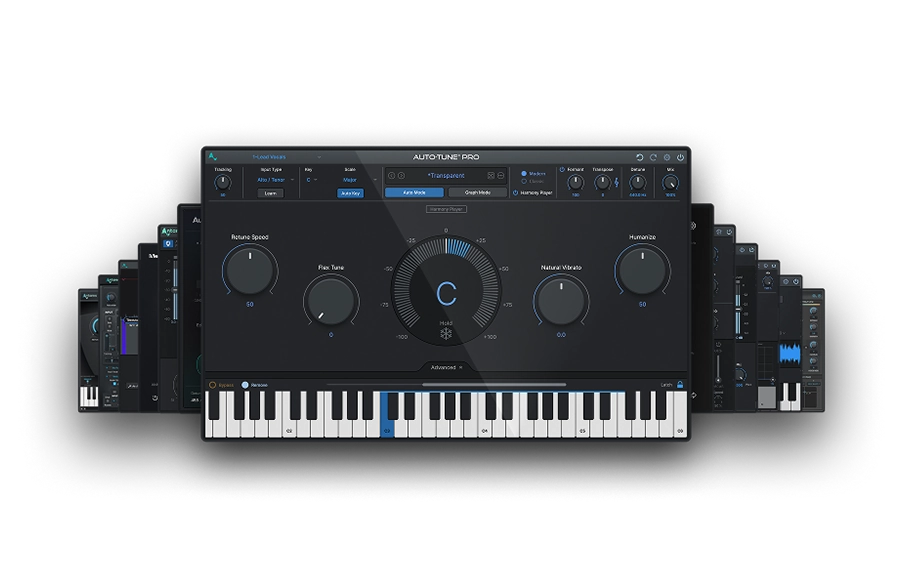
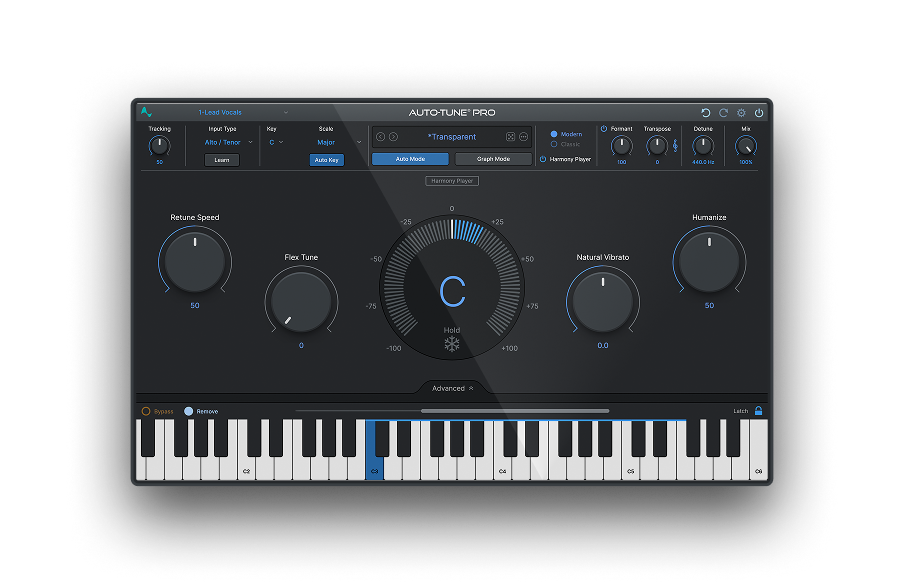
Knowing pitch correction is available during mixing reduces the psychological pressure to hit every note perfectly during recording. This reduced pressure often creates more relaxed, emotionally authentic performances. AutoTune Pro 11 allows you to focus mental energy on emotional expression rather than splitting attention between emotion and pitch monitoring.
Some vocalists prefer hearing AutoTune in their headphones during tracking, using the corrected pitch as a guide that builds confidence. Others find real-time AutoTune distracting, preferring to hear their raw voice and trust that pitch correction will happen during mixing. Experiment with both approaches to discover what serves your psychology best.
Beyond technical pitch correction, knowing that AutoTune Unlimited provides complete vocal processing tools creates psychological safety to experiment during recording. Vocal EQ will shape tone problems. Vocal Compressor will control dynamics issues. Vocal De-Esser will handle harshness. Vocal Reverb will create space. This complete toolkit means recording sessions can focus on capturing compelling performances.
Your Path to Performance Excellence
The psychology of vocal performance determines whether your technical skills and equipment translate into recordings that move listeners. Mental preparation, performance state maintenance, energy management, and long-term confidence building create the foundation for consistently excellent vocals.
Understand the unique psychological pressures of recording and develop specific techniques to manage them. Prepare your mental and physical state before approaching the microphone. Maintain performance consciousness during takes through visualization, physical commitment, and instant error recovery. Manage energy and maintain positive framing between takes.
The microphone captures whatever state you bring to it. Bring confidence, emotional authenticity, and full commitment, and your recordings will communicate those qualities to listeners regardless of your technical experience level.
AutoTune Unlimited provides the technical tools that transform performances into polished, commercial-quality vocals. Try it free for 14 days and discover how professional vocal processing combines with strong performance psychology to create recordings that connect emotionally with listeners.

AutoTune Unlimited
The Ultimate Vocal Production Suite

Exclusive AutoTune Content
Related Articles:

AutoTune Pro

AutoTune Unlimited
AutoTune 2026 and Metamorph
Now Included

Written by: Mike McMillen
Marketing Manager at AutoTune
LinkedIn
Mike has 10+ years of experience in the audio tech industry, having previously worked on globally-recognized brands such as Alesis and M-Audio. Prior to his marketing career, Mike traveled the globe as a guitarist for various punk rock and hardcore bands and also worked as an audio engineer on releases from Big D and the Kids Table, A Loss for Words, and more.