

As the world of music production undergoes groundbreaking changes, the principles of song arrangement have remained consistent over the past few centuries. An arranger's expertise and experience can amplify a song's beauty and depth, revolutionize its mood and atmosphere, and transform raw recordings into global hits.
Let's look at the role of a song arranger throughout the centuries and how a refined musical arrangement can change how you produce and experience music.
What is Arrangement in Music?
Essentially, an arrangement in music refers to the process of reworking, adapting, or developing an existing piece of music. This reimagination of a piece can be performed by either the original composer or another person by altering or expanding its main elements.
Arrangements can vary greatly depending on the arranger's style, taste, and skill. For example, the arrangement of a pop song might include a driving drum beat, a captivating bassline, and catchy vocals.
In contrast, the arrangement of a classical piece may be more complex, with each section of the orchestra contributing an intricate sonic texture through unique melodies and harmonies.
While the role of an arranger might not seem as creative as that of a producer or songwriter, reimagining an existing piece can often require significant changes that bring new life to the song and highlight qualities previously overshadowed in the original recording.

Difference Between Composition vs. Arrangement
Composition and arrangement are essential skills for music creation, and the best musicians are often skilled in both. While composition requires creativity and originality, arrangements require a strong understanding of music theory and the ability to reinvent a song. Let's explore the differences between these two approaches.
Composition refers to creating a piece of music from scratch, including the melody, chords, lyrics, and other elements that make up a song. Composers use their imagination and skills to bring their musical ideas to life.
On the other hand, music arrangement involves reworking or expanding an existing piece of music to create a new version. An arranger will take the original composition and decide which instruments to highlight, how to structure the melody and harmony, and what elements to add or remove to craft a unique sound.
In short, while the composition is about creating something entirely new, arrangement is about reimagining an existing composition.
Arrangement in Classical Music
Musical arrangement has played a crucial role in classical music throughout history, as many composers have created new and exciting versions of familiar compositions.
One of the earliest examples of arrangement in classical music can be found in the work of Johann Sebastian Bach, who often rearranged his own compositions for different instruments or voices. For instance, his Brandenburg Concertos were initially written for a small chamber orchestra. Bach arranged them for piano and other instruments, allowing them to be performed by more musicians and in a wider variety of settings.
The 19th century saw a significant increase in interest in orchestral music, and arrangement played a key role. One notable example is Maurice Ravel's arrangement of Mussorgsky's "Pictures at an Exhibition," in which the original piano piece is transformed into a stunning orchestral work.
Throughout the centuries, it has been important to preserve the integrity of the original composition while still showcasing the creativity and expression of the arranger. This requires a deep understanding of music theory, instrumentation, and the original work and its context.
So, what does musical arrangement look like today?

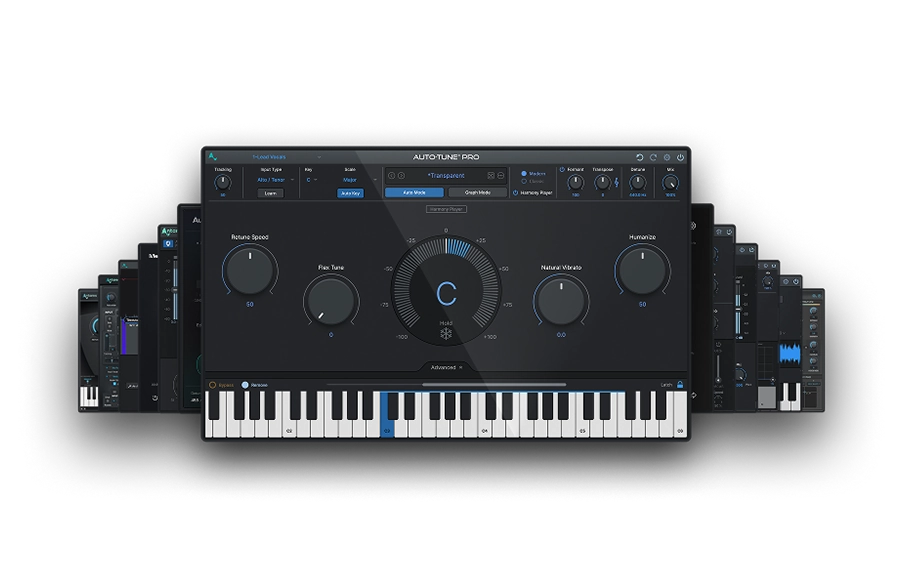
AutoTune Unlimited
The Ultimate Vocal Production Suite
Arrangements in Music Production
Arrangement in music production refers to the process of recreating a song's overall structure, including combining elements such as melody, harmony, and rhythm, building up the instrumentation and sonic layers, and expanding the harmonies established by the original composer.
In contemporary music production, arranging often involves working with a song demo to determine each section's best structure and instrumentation and create the desired atmosphere.
A well-arranged song can elevate an unfinished track to a professional level. Here are some tips to keep in mind when arranging a new song:
- Build momentum and tension: Create a sense of progression throughout the song to keep the listener engaged.
- Create space: Utilize various instruments, dynamics, reverb, and mixing techniques to create three-dimensional imaging in the music and add depth and spatiality.
- Highlight key moments: Come up with unique elements for the chorus or bridge to make them stand out.
- Improve the flow of the song: Structure the song in a captivating and memorable way.
- Add variety: Use different instruments, rhythms, and your personal touch to make the song memorable for a long time.

Types of Arrangements in Music Production
Modern music production has three main types of musical arrangement, each playing a vital role in creating a compelling song.
Structural Arrangements
This type of arrangement focuses on the overall structure of a song. This involves determining the length of each section, the placement of the chorus, verse, bridge, and the overall flow of the song. The specifics of structural arrangements vary depending on the type of song or genre, but modern music often includes repeating sections that create tension and release.
Instrumental Arrangements
In this type of arrangement, the focus is on deciding the instrumentation for each part of a song. This involves adding or removing elements, changing existing details, and experimenting with different sounds and effects. Typically, this process consists of layering multiple sounds and musical instruments to create a fuller and more complex texture.
Spatial Arrangements
Enhancing a song's space and dimensionality can significantly improve its beauty. This involves using techniques such as panning across the stereo field, adding reverb, delay, and other effects to create a sense of depth and distance.
It's important to consider the evolution of the song, as well. Accents can emphasise key moments, while rhythmic components set the overall mood. Additionally, playing different chord progressions can evoke various emotional responses, from happy and upbeat to sad and melancholic.

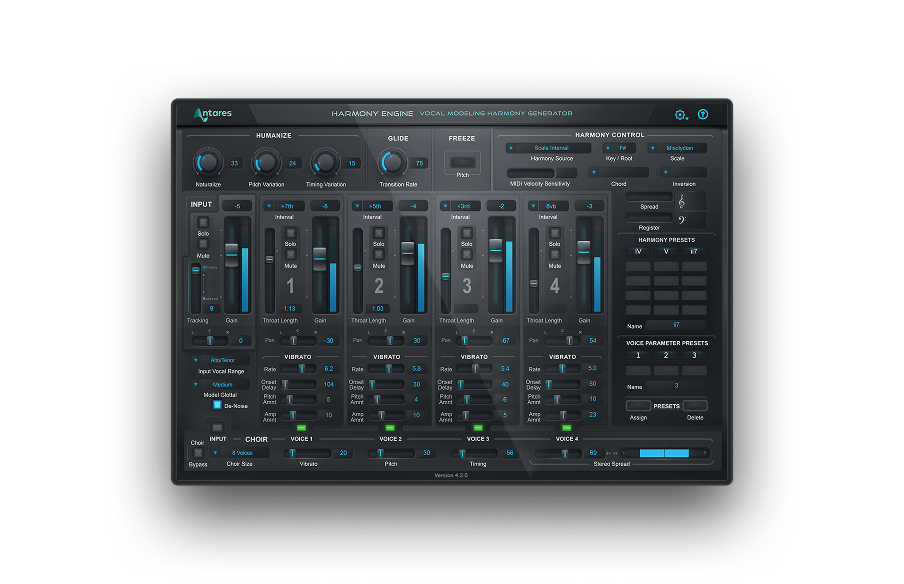
Harmony Engine
Automatic Vocal Harmony Generator
Arrangement of Vocals in Music Production
As you can imagine, the arrangement of vocals is just as crucial as the instrumental arrangement.
Remember that the timbre of the singer's voice can change the whole song's vibe. Here are some suggestions to keep in mind while you arrange vocals:
- Create a memorable hook: We all know how a good theme gets stuck in your head and stays there indefinitely. Often, a song is notable because different vocal harmonies evolve and interact with each other. To create the perfect vocal texture, consider Harmony Engine by Antares. This cutting-edge tool lets you generate immersive harmonies in real-time, starting from a single vocal or monophonic instrument track.
- Highlight emotions and feelings: Build an emotional impact with vocals aligning with the song's original mood. Layering and harmonizing a voice are good ways for producers to create a sonic texture that conveys a range of emotions and feelings.
- Improve clarity and intelligibility: Make sure each vocal part is balanced and well-placed—lyrics must be easy to understand and follow.
- Add depth and dimension: Experiment with reverb, delay, and other effects, to create an immersive vocal sound that complements the instrumental arrangement.
Final Thoughts
As songs are getting shorter and shorter, the role of a stunning vocal arrangement is more relevant than ever. With Antares' professional set of production tools and vocal effects, you can take your musical arrangement skills to the next level and bring professional, immersive vocal tracks to life.
Good luck, and stay creative!
AutoTune Unlimited
The Ultimate Vocal Production Suite

Exclusive AutoTune Content

Harmony Engine

AutoTune Unlimited
AutoTune 2026 and Metamorph
Now Included

Antares Editorial
Antares is a leading developer of software for music recording and live performance. For over 20 years, Antares has powered the music of top-charting and indie artists with products including the industry standard for pitch correction, AutoTune™.