

A music producer is the creative and technical overseer of a recording project from the first demo to the final master. They make the creative decisions, manage the budget, run the sessions, and shape raw ideas into finished tracks. They make the final call on everything from song selection and arrangement to which vocal take gets used. If an album is a film, the producer is the director. Every musician in the room looks to them for the final say.
The confusion is that "producer" now covers about five different jobs. Quincy Jones built Thriller with a 30-piece orchestra. A 19-year-old uploading loops to BeatStars from a dorm room also calls himself a producer. These both garnered the same title amongst some, but are two completely different universes. Understanding where each role begins and ends matters if you're trying to build a career in this industry.
How the Role Changed
For decades, the music producer operated like a project manager with impeccable taste. George Martin booked Abbey Road, hired session musicians, managed the Beatles' recording budget, and played keyboards when a song needed it. That was one person, accountable for delivering a finished record to the label.
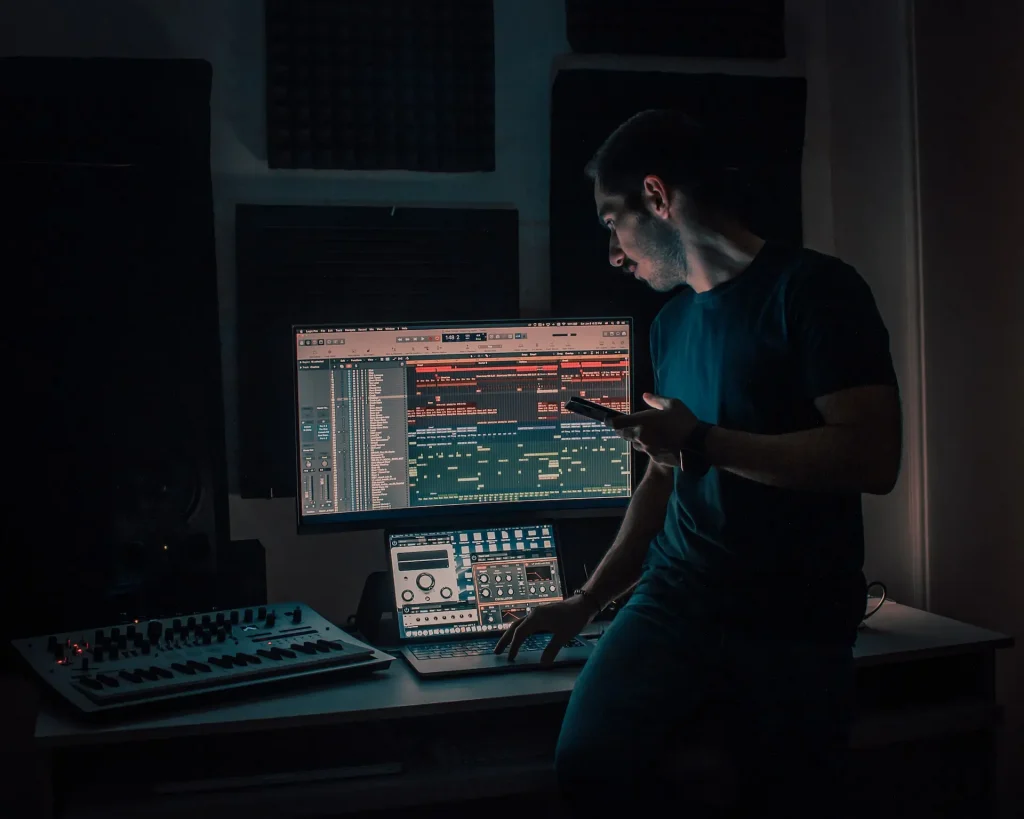
DAWs broke that model wide open. Once Pro Tools, Logic, and Ableton put recording, editing, mixing, and mastering inside a single application, one person on a laptop could do what used to require a studio, an engineer, a mix engineer, and a mastering engineer. Finneas made most of Billie Eilish's early catalog in his childhood bedroom. The history of vocal production tracks this exact pattern across every decade. As tools get cheaper, creative power concentrates into fewer hands. The term "bedroom producer" exists because of this shift, and most people calling themselves producers online right now fall into that category.
Types of Music Producers
Executive Producer
The executive producer funds the project and makes high-level creative decisions. They pick the producer, approve the budget, sign off on single choices, and handle the business side of the release. They're rarely in the room for tracking or mixing. Their job is the deal, not the sound.
In-House Producer
An in-house producer works on staff at a label or studio. They take on whatever projects the label assigns, often across multiple genres and artists in a single quarter. The upside is steady income and access to professional facilities. The tradeoff is less control over which projects land on your desk.
Freelance Producer
Freelance producers work project to project, building a roster of artists and labels who hire them for specific records. This is where most working producers in 2026 operate. Income varies wildly depending on the roster, the genre and the producer's track record. A freelance producer with Billboard placements commands a completely different rate than one just starting out.
Bedroom Producer
A bedroom producer handles every role from a home setup, including writing, recording, mixing, and making all creative decisions from a laptop and a pair of monitors. Finneas built Billie Eilish's early Grammy-winning catalog this same way. The term carries an amateur connotation, but the output doesn't have to. Some of the most commercially successful records of the last decade came out of bedrooms.
Producer vs. Beat Maker vs. Engineer
These three titles get swapped around constantly, but they describe different jobs.
A beat maker builds instrumentals. They program drums, lay down melodies, arrange loops, and export stems for artists to write over. That's a specific and valuable skill, but it's not production. A beat maker hands off a finished instrumental. A producer stays for everything that comes after. In modern production, this role has been simplified even further to loopmakers. These are individuals who are only responsible for creating the original melodies or samples for the instrumental.
An audio engineer runs the technical side, that includes microphones, console, DAW, mix, master. Engineers understand signal flow and gain staging the way a mechanic understands an engine block, and their job is making things sound right on a technical level while the producer decides what "right" sounds like on a creative level.
A music producer sits above both. They pick the songs, shape the arrangements, choose the vocal take with the right emotion, and call the mix done. Rick Rubin doesn't touch a fader, Pharrell builds the beats himself, Dr. Dre does both, and then coaches the vocal performance on top of it. All of them are producers, and the artists who defined the AutoTune sound all had someone behind the glass making those calls with them.
One person can fill all three roles on a single project. That's common now that a laptop and a solid plugin suite can replace a $2,000-a-day room. The roles describe different skill sets even when one person handles the whole board.
What Does a Music Producer Actually Do?
Pre-production is where producers earn their keep. They listen to demos, restructure arrangements, rewrite hooks, and build a sonic direction before anyone hits record. Good pre-production saves weeks of studio time, and bad pre-production is how you end up 47 takes deep on a vocal that was never going to work in that key. From there, the session management takes over running the room, keeping energy up, calling for another take when the performance isn't landing, and knowing when perfection becomes procrastination. There's an old industry line that holds up: musicians play instruments, producers play musicians. Post-production covers everything after tracking, including editing, pitch correction, comping, mixing notes, and mastering approval. On vocal-heavy sessions, AutoTune 2026 and the AI-Powered Vocal Chain earn their spot here by letting the producer dial in tuning, EQ, compression, and reverb without bouncing between 10 different plugin developers. The producer is the last filter between raw audio and a finished release.
Skills You Need as a Music Producer
Ear Training
A producer who can't identify a pitchy vocal, a muddy low end or a cluttered arrangement is guessing instead of deciding. Train your ears by A/B referencing your mixes against released records constantly, and the gap between what you hear and what you miss will shrink fast.
Arrangement and Song Structure
Knowing when a chorus needs to hit, when a bridge is dragging, and when an intro should be half as long separates producers from people who just press record. Study the arrangements of tracks you admire and learn to hear the choices behind them.
DAW Proficiency
Pick a DAW and learn it deeply as session management, routing, key commands, and plugin management/troubleshooting are all skills you will need in the studio. Speed in the DAW translates directly to speed in the session, and speed in the session keeps the creative energy alive.
Communication
Half the job is translating between what an artist feels and what the engineer needs to execute, so a producer who can't articulate a sonic direction clearly wastes everyone's time. The ability to give specific, actionable feedback ("drop the vocal 2 dB in the second verse" instead of "it feels off") is a skill that separates working producers from hobbyists.
Basic Music Theory
You don't need a conservatory degree, but you do need to know keys, scales, chord progressions, and song structure well enough to speak the same language as every musician in the room.
How Much Do Music Producers Make?
Music producer salaries scale with experience and the size of the projects you're working on. Salary.com reports for mid-career producers with established client rosters. Entry-level studio assistants land closer to $50,000. Senior producers at major labels with consistent placements clear $150,000 and up.
Freelance rates swing harder. Independent work runs $500 a track. Major label singles go for six figures. Then there's sync licensing, where a single placement in a TV show or video game can pay anywhere from a few thousand to well into six figures. Also with sync records, the producer's cut is separate from streaming royalties. Some producers build entire careers around sync catalogs. It's one of the few revenue streams in music that still pays a lump sum up front.
How to Become a Music Producer
Step 1: Pick a DAW and Commit
Pro Tools, Logic Pro, Ableton Live, and FL Studio all qualify as industry-standard. Each has a different workflow philosophy. Pick the one that clicks with how your brain works and spend six months learning it deeply before you even think about switching. Hopping between DAWs every two weeks is how you stay a beginner forever.
Step 2: Study Arrangements, Not Just Sounds
Pull up tracks you admire and map out the arrangement. Where does the chorus hit? How long is the intro? When do instruments drop out? Understanding why a song is structured the way it is teaches you more about production than any plugin tutorial.
Step 3: Record and Produce Constantly
Volume builds instinct. Produce a track a week, even if you throw most of them away. The goal isn't perfection early on. The goal is reps. Every session teaches you something about workflow, decision-making, and what finished actually sounds like.
Step 4: Learn to Take and Give Feedback
Find other producers, engineers, and artists who will listen to your work critically. Join production communities on Discord or Reddit. Send your mixes to people who will tell you what's wrong, not just what's good. Giving feedback on other people's work sharpens your ears as fast as working on your own music.
Step 5: Build a Portfolio and Start Collaborating
Once you have a handful of finished tracks you're proud of, put them in front of vocalists and artists who need production. Collaboration is how you learn to produce for someone else's vision instead of just your own, and that's the skill that separates hobbyists from working producers.

Tools Music Producers Use
A DAW is the foundation. Headphones or studio monitors are how you hear what you're making. Beyond that, the plugins you choose determine how fast you move and how professional your output sounds.
If you're new to plugins, start with mastering the three main categories of vocal processing, EQ, compression, and pitch correction. Those three shape more professional vocals than anything else in your folder, and learning how they interact is the fastest path to building a vocal chain that sounds intentional.
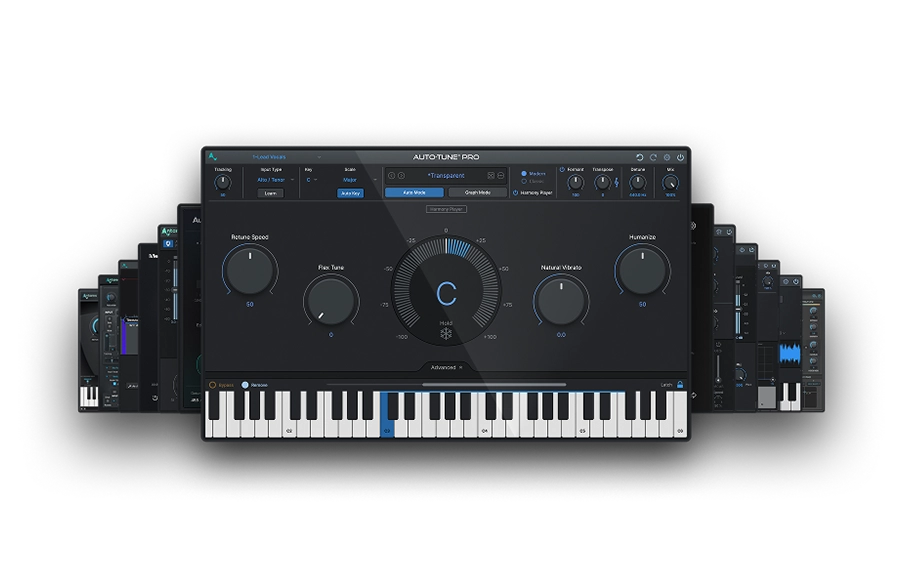
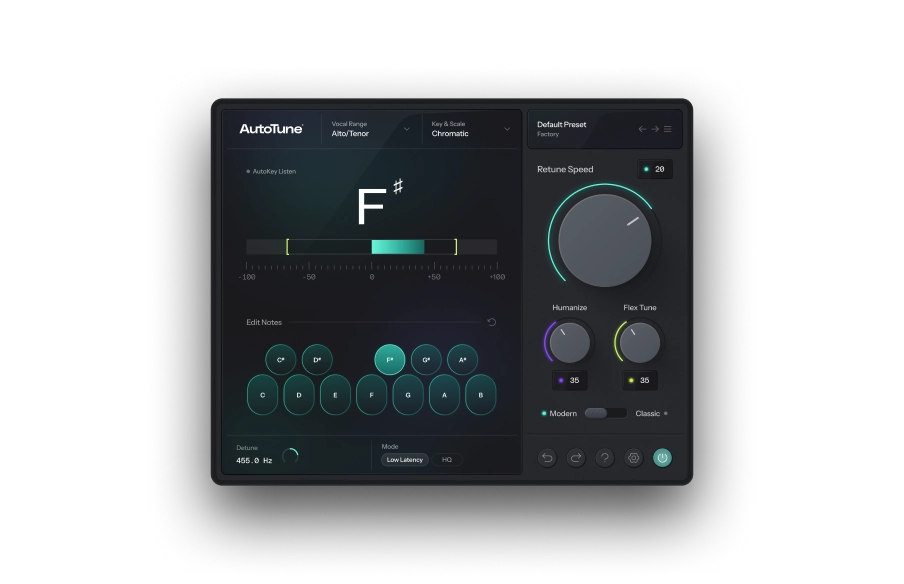
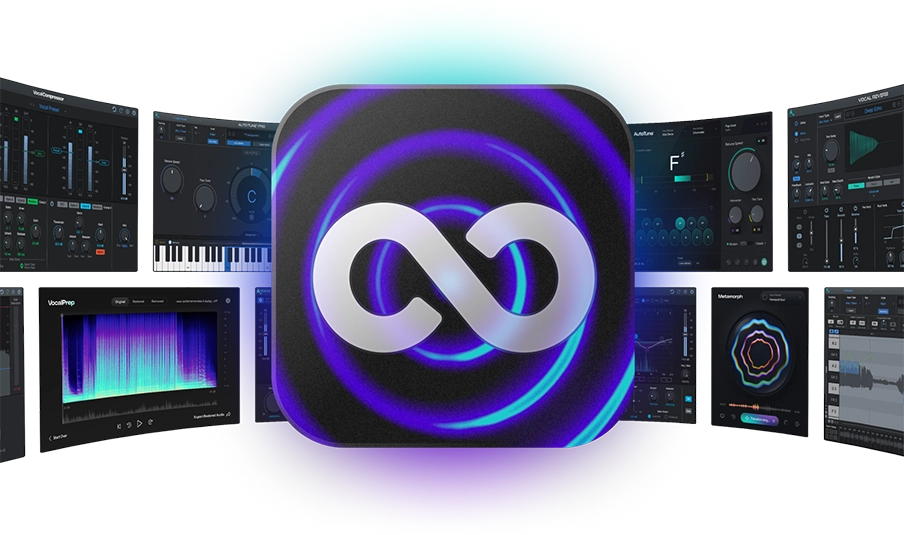
AutoTune Unlimited puts 20+ plugins in one subscription with AutoTune 2026 for pitch correction, the full AI-Powered Vocal Chain for EQ, compression, de-essing, and reverb, plus creative tools like Harmony Engine and Metamorph for voice transformation and harmony generation. You can set everything up in 10 minutes, load AutoTune 2026 on your vocal track, and go from raw recording to release-ready. The suite runs inside whatever DAW you use, from mixing in FL Studio to stacking creative textures in Logic.

AutoTune Unlimited
The Ultimate Vocal Production Suite
The gap between "I make beats" and "I produce records" has nothing to do with gear. It's about owning every decision from the first arrangement idea to the last mastering note. The tools are here. The knowledge is free. Start making the calls.
Frequently Asked Questions
Do you need music theory to be a music producer?
Not formally. But you need the language. Knowing keys, scales, and chord progressions lets you communicate with every musician in the room. A producer who can say "try that in first inversion" gets to the right sound in seconds. A producer who says "make it sound more... blue" is going to have a long night. Every serious producer picks up theory eventually through study or sheer repetition.
Can one person be a producer, beat maker, and engineer?
Yes. Finneas, Skrillex, and Trent Reznor all work this way. DAWs and plugins let one person write, record, mix, and make every creative decision without leaving the chair. The roles still describe different skill sets even when one person fills all of them.
What's the difference between a producer and an executive producer?
Executive producers handle funding, contracts, and high-level creative direction. They pick the producer and approve the budget. They're usually not in the room for tracking or mixing. Producers are hands-on with the sound. Executive producers are hands-on with the deal.
Do music producers get royalties?
Depends on the contract. Producers who negotiate points receive a percentage of sales and streaming revenue, typically 3% to 5%. Some work for flat fees. It comes down to leverage and the relationship between the producer and the label.
What software do most music producers use?
Pro Tools is the commercial studio standard. Logic Pro dominates on Mac. Ableton Live owns the electronic and live production lane. FL Studio runs hip-hop and trap. Most producers develop one primary DAW and learn the others enough to collaborate.

Exclusive AutoTune Content

AutoTune 2026

AutoTune Unlimited
AutoTune 2026 and Metamorph
Now Included

Antares Editorial
Antares is a leading developer of software for music recording and live performance. For over 20 years, Antares has powered the music of top-charting and indie artists with products including the industry standard for pitch correction, AutoTune™.