
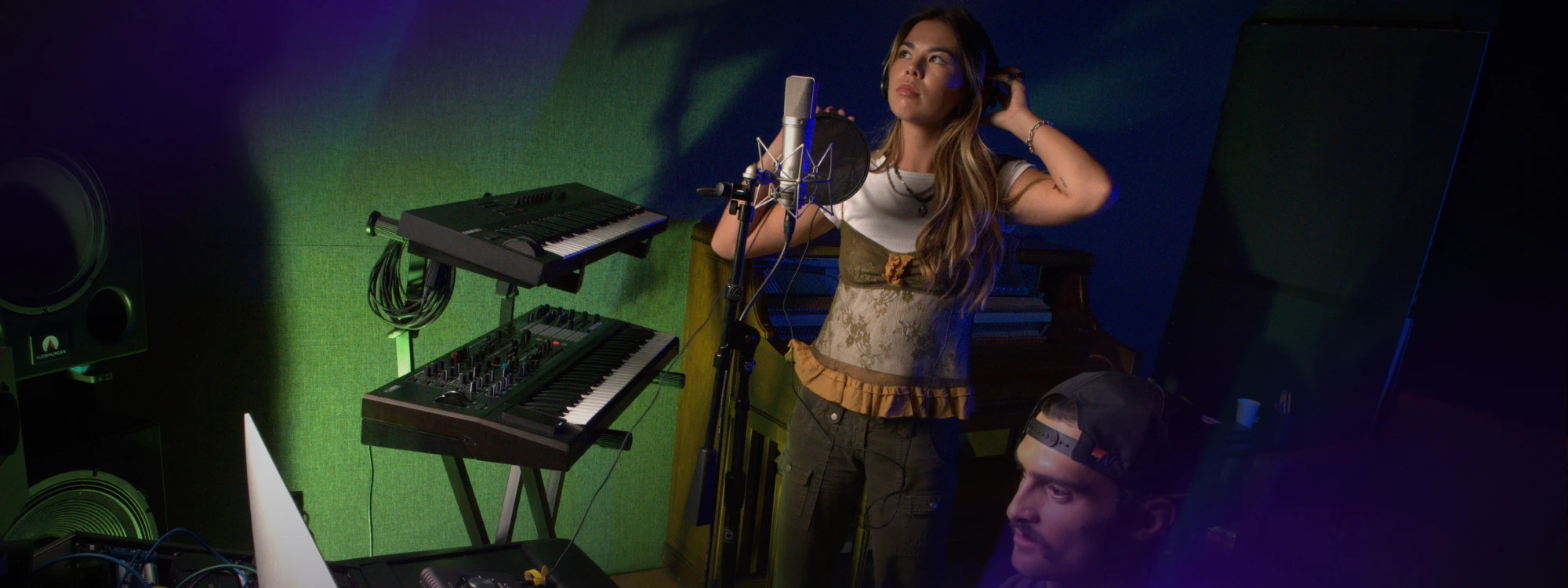
Sync licensing is the process of licensing a song for use in visual media: television, film, advertising, video games, and streaming content. When your track plays under a scene in a Netflix series or behind a car commercial, that placement happened through a sync license. Kate Bush's "Running Up That Hill" went from a 1985 deep cut to a global streaming phenomenon after its placement in Stranger Things. Orville Peck's "Dead of Night" saw an 812% spike in streams after appearing in Euphoria. For independent musicians and music producers, sync represents one of the most accessible paths to real upfront income that doesn't depend on streaming volume or touring revenue.
Why Sync Matters
The global sync licensing market hit $650 million in trade revenue in 2024, growing at 7.4% year over year. The broader music licensing market is projected to reach $12.9 billion by 2033. Streaming platforms are producing unprecedented volumes of original content, gaming studios are scoring more titles than ever, and digital advertising budgets keep climbing. All of that content needs music, and a single sync placement can pay more than millions of streams.
How Sync Licensing Works
Every sync placement requires two separate licenses. The first covers the composition. The second covers the recording. These licenses come from two different parties, and both must be secured before the music can legally appear in any visual content.
The Sync License vs. The Master License
The sync license covers the underlying composition: the melody, lyrics, and arrangement as written by the songwriter. This license comes from the music publisher or the songwriter directly. It grants permission to pair the written song with visual content. If a songwriter self-publishes, they control this license themselves. If they're signed to a publisher, the publisher handles it.
The master license covers the specific recording of that composition, the actual audio file as it was tracked and mixed. The record label typically owns this right. If the artist released independently and never signed a distribution deal that transferred ownership, they control it themselves. If you want to use the exact version of a song that's on streaming platforms, you need the master license for that recording in addition to the sync license for the composition.
These are separate negotiations with separate rights holders. If you wrote and recorded the song yourself and own both the publishing and the master, you control both licenses. If a co-writer is involved, they need to agree on the sync side. If a label owns the master, they need to agree on the master side. Deals stall when one party says yes and the other hasn't been contacted. Get both conversations going at the same time.
When different parties own each right, the fees are typically split 50/50 between the sync and master sides. The songwriter or publisher gets paid through the sync license. The artist or label gets paid through the master license. For filmmakers and ad agencies, this means the total cost of placing one song effectively doubles compared to working with a single rights holder.
How Much Does Sync Licensing Pay?
Sync payments vary enormously based on the media, the placement, and the scope of the license. A local TV commercial might pay $500 to $2,000, while a national ad campaign can land between $10,000 and $100,000. Background music in a streaming series can run from $1,000 to $10,000, and feature film placements for title sequences or end credits can reach six figures. Everything is negotiated based on the scope of the use, the territory, and the duration.
What Music Supervisors Want
Music supervisors select music for film, television, and advertising. They receive enormous volumes of submissions. Tracks that don't meet professional production standards get cut immediately. No second listen, no benefit of the doubt. If a vocal sounds like a demo instead of a finished master, it's out. Pitch correction, EQ, compression, and reverb all need to be handled at a level that could sit next to any commercially released record.
Beyond production quality, supervisors evaluate how a song serves a scene. The track has to enhance an emotional moment without competing with dialogue or on-screen action. Lyrics that are too specific or too tied to a personal narrative can feel jarring against visual content. Arrangements that breathe and leave sonic space place better than dense, wall-to-wall mixes.
Supervisors also need tracks with clean, easily licensable rights. Uncleared samples mean additional negotiations that most productions won't pursue for a background sync. Original compositions where you own everything are significantly easier to place, so if you're sampling in your beats, clear the sample or don't expect to be getting a sync placement. Uncleared samples are the fastest way to kill a deal that's already on the table.
How to Get Your Music Placed
The sync market operates through several channels. Knowing which one fits your career stage saves time.
Licensing Platforms
Musicbed, Artlist, and Epidemic Sound let you submit music for placement across a wide range of visual media. The per-placement payout is lower than a direct deal, but the volume adds up. UnitedMasters has an initiative with 2k Sports to land sync placements in games. These platforms work best as a passive income stream while you build direct relationships with supervisors and agencies.
Sync Agencies
Sync agencies represent your catalog to supervisors and take a commission on placements they secure. The key distinction is a sync rep takes a cut only when they place your music, whereas a publisher takes a share of your publishing rights. If someone pitching themselves as a sync rep tries to take your publishing, that's a red flag worth walking away from.
Direct Pitching
Pitching directly to music supervisors can work, but it requires homework on their current projects. Sending pop music to the supervisor of a gritty crime drama wastes both your time and theirs. Know your lane. Target shows and films that match the character of your catalog and pitch with specificity. Generic mass emails get deleted. A good trick to get a foot in the door is looking at some of your favorite shows and films, watching the credits, and seeing who the music supervisor is.
Sync Begets Sync
Moses Sumney's "Doomed" has been placed in Westworld, Grey's Anatomy, Orange Is the New Black, and a dozen other shows. One placement opens the door to the next because supervisors hear tracks in other projects and reach for them.
Micro Sync Opportunities
YouTube, TikTok, Instagram Reels, and Twitch have created a massive market for smaller-scale music licensing. Individual payouts are a lot lower, sometimes a few dollars per use, but the volume can make up for it. Platforms like Epidemic Sound and Artlist are built around this model. The creators subscribe, your music gets placed across thousands of videos, and the royalties accumulate month over month. For independent producers, micro sync is steady recurring income while you chase bigger placements, and the exposure compounds as your tracks spread across more content.
Making Your Music Sync-Ready
Production quality is the price of entry. Music supervisors compare your track against commercially released records. If the vocal sounds like a demo, if the mix is muddy, if there's room noise or clipping artifacts baked into the file, the track gets cut before anyone evaluates the song itself. Vocals need professional pitch correction, clean EQ and compression, and a master that translates across playback systems.
Stems also need to be ready before you start pitching, since many placements require the individual component tracks of the mix, not the stereo master. Instrumental versions, shorter edits, and versions at different tempos make your catalog more versatile; that way, when a supervisor requests stems on a tight deadline, you’ll be able to deliver in hours instead of days. That can be the difference between getting the placement and losing it.
Get your rights documentation in order before you even consider pitching. Verify that every song is clear of sample issues and has proper documentation of co-writing splits and ownership. If you co-wrote a track, a split sheet should exist that states each writer's exact percentage. Supervisors may ask for proof of ownership before moving forward, and any ambiguity in who controls the publishing or the master will stall or kill the deal.
Every composition should be registered with a performance rights organization like ASCAP, BMI, or SESAC before you start pursuing placements. These organizations track public performances of your music, including every time a TV show, film, or streaming platform plays content that contains your song, and collect royalties on your behalf. Registration is free with ASCAP and BMI. Without it, you leave backend income on the table every time your placement airs. Performance royalties are separate from the upfront sync fee and can accumulate for years if the content stays on a platform. A film that sits on Netflix for five years generates five years of performance royalties for registered writers and publishers. If you're not registered, that money goes uncollected.
AutoTune Unlimited includes everything you need to produce vocals at sync-ready quality: AutoTune 2026 for pitch correction and the full AI-Powered Vocal Chain for EQ, compression, de-essing, and reverb.

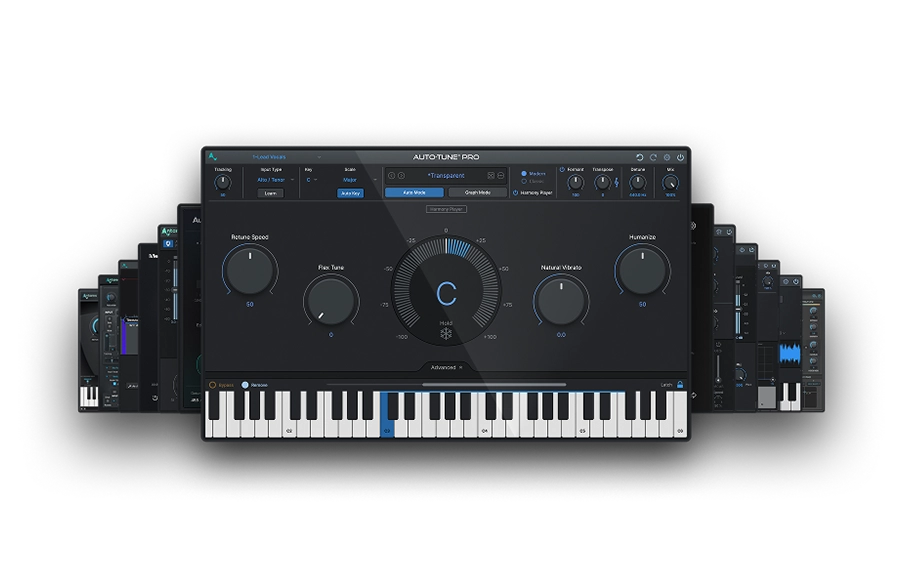
AutoTune Unlimited
The Ultimate Vocal Production Suite
Frequently Asked Questions
What is sync licensing for music?
Sync licensing grants the right to pair a piece of music with visual content: TV, film, advertising, or video games. The license defines the type of media, territory, duration, and exclusivity. Every placement involves two rights: the master recording and the underlying composition.
How do I get my music placed in TV shows?
Submit to non-exclusive licensing platforms like Musicbed or Artlist for volume. Work with a sync agency that pitches your catalog to supervisors through established relationships. Or pitch directly to supervisors whose current projects match your sound. Production quality and clean rights are the minimum requirements.
How much money can you make from sync licensing?
Fees range from a few hundred dollars for local uses to six figures for prominent placements in major productions. Most working sync artists earn through a combination of upfront placement fees and backend performance royalties collected when the content airs or streams.
Do I need a music publisher for sync licensing?
No. Many independent artists license directly without a publisher. Publishers pitch your catalog through established relationships and take a commission, typically around 50%. Non-exclusive libraries offer similar distribution at lower commission rates with less personalized pitching.
What makes a track sync-ready?
Professional production quality comparable to commercially released music, complete stems and alternate mixes on hand, clear rights ownership with no uncleared samples, registration with a performance rights organization, and lyrics or sonic content that works in a visual storytelling context.
Do I need to register with a PRO for sync licensing?
PRO registration isn't required to sign a sync deal. It is required to collect the backend performance royalties that deal generates. Every time content containing your music airs on TV, streams on a platform, or plays in a theater, your PRO collects royalties on your behalf. Without registration, those royalties go unclaimed. ASCAP and BMI are both free to join. Register before your first placement, not after.

Exclusive AutoTune Content

AutoTune 2026
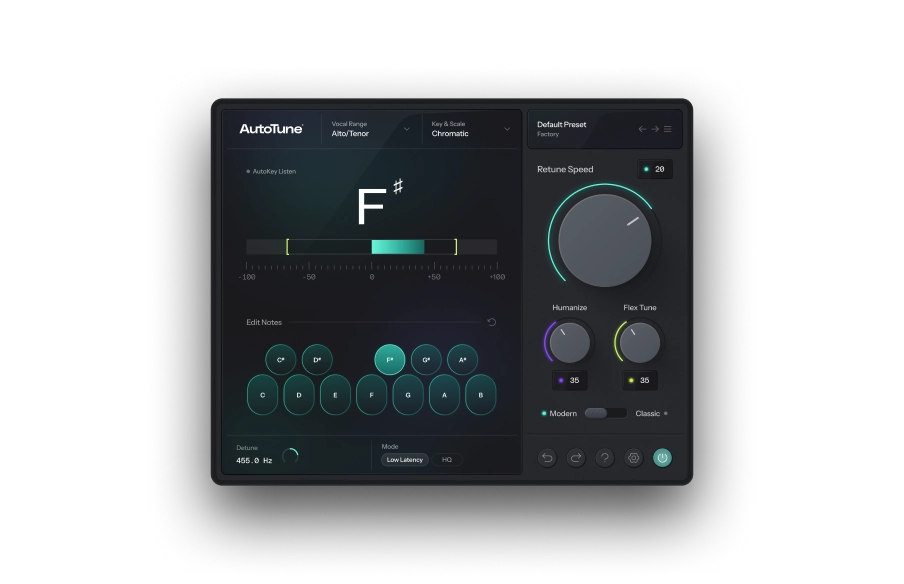

AutoTune Unlimited
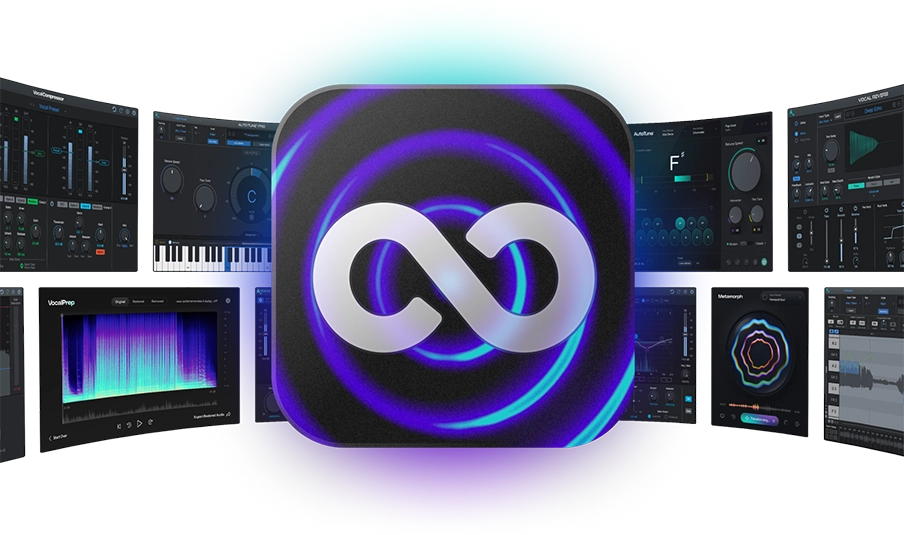
AutoTune 2026 and Metamorph
Now Included

Antares Editorial
Antares is a leading developer of software for music recording and live performance. For over 20 years, Antares has powered the music of top-charting and indie artists with products including the industry standard for pitch correction, AutoTune™.