

Hip-hop and trap productions create some of the most challenging environments for vocal mixing. Massive 808 bass occupies enormous frequency space, layered hi-hats create dense high-frequency energy, multiple synth lines fill the midrange, and percussion elements stack throughout the spectrum. Into this sonic battlefield, vocals must remain clear, intelligible, and commanding without sounding disconnected from the music.
The amateur approach turns vocals louder and louder, trying to force them above the instrumental through sheer volume. This creates harsh, fatiguing mixes where vocals scream over music rather than sitting within it. Professional hip-hop vocal mixing uses strategic frequency management, dynamic control, and spatial positioning to create clarity through precision rather than volume.
Understanding the Frequency Competition
Dense hip-hop and trap beats create frequency conflicts that lighter productions never encounter. Understanding exactly where these conflicts occur and why they create problems provides the foundation for solving them.
Modern hip-hop uses 808 bass extending down to 30-40Hz, creating massive sub-bass energy that occupies the same frequency territory as male vocal fundamentals (typically 80-200Hz). When vocal fundamentals and 808 bass occupy the same range, they mask each other. The bass reduces vocal intelligibility by covering fundamental frequencies the brain uses to identify pitch and vowel sounds. The vocal reduces bass impact by interfering with clean, powerful sub frequencies that give 808s their characteristic punch.
The frequency range from 200-800Hz is where most musical information lives. Chord tones, melodic content, and vocal body all occupy this space. Dense productions layer multiple elements here, creating congestion where nothing sounds distinct. Vocals need midrange for body and warmth, but when synths, pianos, and other melodic instruments also occupy this space, the vocal becomes just another sound in a crowded field rather than the focal point.
The 2-6kHz presence range is where vocal intelligibility lives, consonants, articulation, and clarity that makes words understandable. Dense trap productions use layered hi-hat patterns that fill this range with nearly constant high-frequency energy. When vocals compete in this space, either they sound harsh from aggressive boosting or they sound dull from hi-hat masking.
Strategic EQ for Frequency Separation
Making vocals sit in dense mixes starts with creating frequency separation through strategic equalization. This means carving specific spaces in the instrumental for vocals to occupy, and shaping vocals to fit into those spaces without requiring excessive volume.
Aggressive high-pass filtering at 100-120Hz for male vocals or 120-150Hz for female vocals removes all unnecessary low-frequency content. Vocal EQ provides intelligent high-pass filtering with 12-18dB/octave slopes that remove rumble and proximity effect without thinning vocals. This filtering accomplishes several things simultaneously: removes low-frequency energy that conflicts with 808 bass and kicks, eliminates rumble captured during recording, creates headroom by removing frequencies that consume mix energy but contribute nothing to intelligibility, and allows 808 bass to dominate sub frequencies completely.
The 200-400Hz range is where mud accumulates in dense mixes. Vocal EQ's pitch-tracking bands create dynamic cuts that follow vocal fundamental frequency as it moves through different notes. When pitch tracking is enabled on a band set to follow the fundamental with a 3-6dB cut at moderate Q (2-3), it removes mud and boxiness specifically at the fundamental frequency of each note. As the singer moves through different pitches, the EQ cut follows, maintaining mud reduction across the entire vocal range.
After removing problematic frequencies, strategic boosts create vocal presence without harshness. The 3-5kHz presence range is where intelligibility and clarity help vocals cut through dense instrumentation. A broad, gentle boost of 2-4dB centered around 3-4kHz with low Q (1-1.5) enhances consonant clarity without emphasizing specific resonances that sound harsh. A subtle high-shelf boost of 1-2dB starting around 8-10kHz adds air and polish without emphasizing sibilance.
Vocal EQ's AI-powered Learning function provides excellent starting points for genre-specific frequency shaping. The plugin analyzes vocals and automatically sets appropriate input type and high-pass filter frequency based on voice characteristics, then suggests areas where corrective EQ might improve clarity. The pitch-tracking bands maintain frequency separation as vocals move through different ranges, something static EQ cannot achieve.
Aggressive Compression for Dense Mix Presence
After frequency separation through EQ, compression creates the consistency and density that allows vocals to maintain presence throughout dense productions. Hip-hop vocals require specific compression approaches that differ from compression used in other genres.
Unlike genres where transparent compression maintains natural dynamics, hip-hop vocals often benefit from obvious, aggressive compression that creates consistent presence. Vocal Compressor excels at this with ratio settings between 4:1 and 8:1, fast attack times (1-5ms), and moderate release times (30-100ms). When threshold creates 8-15dB of gain reduction on loud passages, the fast attack catches transients immediately, preventing syllables from poking too far above the rest of the vocal.
Vocal Compressor's dual-stage architecture is specifically valuable for hip-hop because it allows stacking different compression styles for complex density. An Opto compressor in stage one with moderate settings provides gentle, musical compression that controls broad dynamics. An FET compressor in stage two with faster, more aggressive settings catches remaining peaks and creates the dense, forward quality hip-hop vocals demand. This combination sounds simultaneously smooth and aggressive, warm and present.
Beyond serial compression, parallel compression adds density without completely destroying dynamics. When vocals are sent to an auxiliary track with extremely aggressive compression settings (10:1 ratio or higher, very fast attack and release, 20+dB of gain reduction), this parallel signal sounds completely destroyed and obviously pumping. When blended 12-20dB below the main compressed vocal, it adds density and weight that pure serial compression cannot achieve.
AutoTune for Hip-Hop Vocal Character
Pitch correction in hip-hop serves both corrective and creative purposes. Understanding how to use AutoTune for both functions creates vocals that sound polished while maintaining the characteristic effect that defines modern hip-hop vocal production.
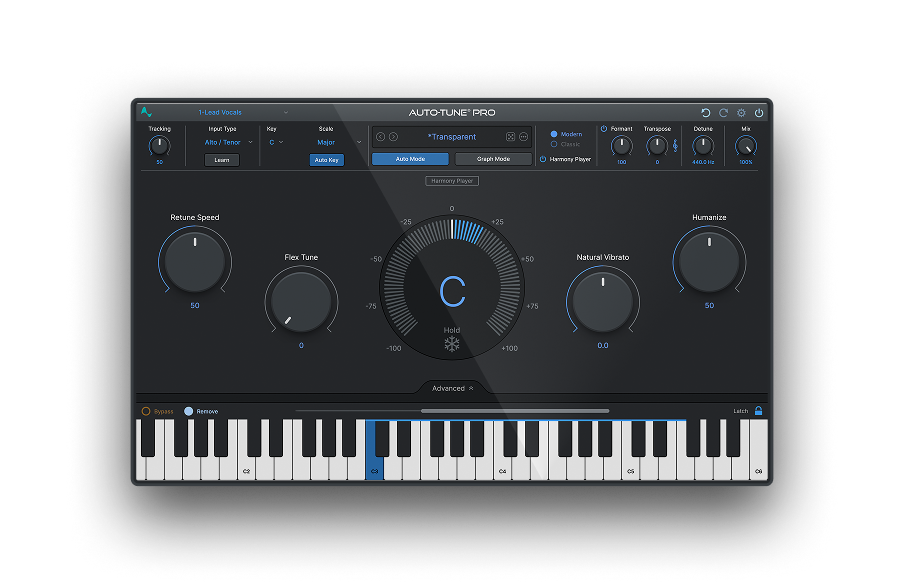
AutoTune Pro 11's Auto Mode provides transparent correction when set with retune speed between 20-40ms, Humanize at 30-50%, and Natural Vibrato at 30-40%. This foundation of perfect pitch doesn't create obvious AutoTune effect, words sit in tune without drawing attention to processing. The Low Latency mode allows real-time monitoring during tracking without disorienting delay, helping vocalists stay in pitch during recording because they hear corrected results immediately.
For choruses, bridges, or specific phrases where obvious AutoTune effect is desired, retune speed drops below 10ms (often to zero for maximum effect) with Humanize at zero percent. This creates immediate pitch snapping that has become synonymous with modern hip-hop production. The effect is an intentional aesthetic choice that adds character and excitement, not a crutch to hide poor pitch. Artists like T-Pain, Travis Scott, and Lil Baby use obvious AutoTune as creative effect that audiences expect and enjoy in this genre.
AutoTune Pro 11's four-voice Harmony Player creates instant background vocals that add thickness and production value. When intervals are selected to create chord tones supporting the melody (typically thirds and fifths for triads, sometimes adding octaves), and these harmony voices are panned across the stereo field while the lead stays centered, the result is production density that makes simple vocal recordings sound like fully produced ensemble performances. When harmonies are mixed 6-12dB below the lead vocal, they provide support without competing for attention.
De-Essing and Sibilance Control
Dense hip-hop and trap productions often require vocals mixed at levels where sibilance becomes problematic. Aggressive compression brings up sibilant consonants, presence boosts emphasize the frequencies where sibilance lives, making de-essing mandatory for professional production.
Vocal De-Esser uses AI technology to distinguish between soft sibilants (S, SH, Z) and hard consonants (T, CH, K), providing separate controls for each type. The AI Assist button analyzes vocals to suggest optimal threshold and frequency settings. Soft sibilants typically require more aggressive de-essing (8-12dB of reduction when triggered), while hard consonants need gentler control (3-6dB of reduction).
The goal is de-essing that isn't consciously heard. Vocals that sound lispy or dull indicate over-processing. Harsh, piercing S sounds indicate under-processing. The sweet spot is where sibilants remain articulate and clear but never harsh or fatiguing, even when vocals are mixed loud in dense production.
Minimal Spatial Processing for Power
After frequency, dynamics, and tonal processing are complete, spatial effects create additional separation. But hip-hop spatial processing requires restraint compared to genres like pop or rock where spacious vocals are standard.
Hip-hop vocals typically use very little reverb. Excessive reverb creates distance and makes vocals sound small or far away, exactly the opposite of the powerful, in-your-face presence hip-hop demands. Vocal Reverb with room or plate algorithms set to short decay times (0.5-1.5 seconds maximum) provides subtle space. The Auto-EQ feature with pitch tracking prevents low-frequency buildup that would muddy the vocal. When mixed quietly (15-25dB below the dry vocal), reverb provides sense of space without creating obvious room sound or wash.
Instead of reverb, many hip-hop productions use short slapback delay to create space without wash. A mono delay set to 60-120ms with one or two repeats maximum, mixed 20-30dB below the dry vocal, creates subtle doubling thickness without obvious echo or distance. When processed through high-pass (300-500Hz) and low-pass (6-8kHz) filters, the delay provides midrange thickness without interfering with vocal clarity or creating low-frequency mud.
Hip-hop lead vocals almost always stay centered in the stereo field. Width comes from doubles, harmonies, and ad-libs panned to the sides, not from stereo processing on the lead vocal itself. Centered vocals maintain maximum power and impact. Any stereo processing reduces focused power by spreading energy across the stereo field instead of concentrating it in the center.
The Complete Hip-Hop Vocal Chain
Bringing all these techniques together creates a complete processing chain specifically optimized for hip-hop and trap vocals in dense productions. The order and settings of each element matter because they work together as an integrated system.
The signal flow begins with Vocal Prep to remove background noise and room artifacts. One click of AI-powered cleanup provides clean vocal recordings ready for processing. AutoTune Pro 11 follows for pitch correction, using transparent settings on verses and aggressive effect settings on choruses based on creative goals.
Vocal EQ comes next for aggressive high-pass filtering, mud reduction in the 200-400Hz range, and presence boost around 3-5kHz. Pitch tracking provides dynamic frequency control that adapts to different notes. Vocal Compressor follows with aggressive settings: fast attack, moderate release, high ratio, and 8-15dB of gain reduction. Dual-stage compression with Opto followed by FET provides both smooth and aggressive character.
Vocal De-Esser controls sibilance that compression emphasized. Parallel compression on an auxiliary track adds density, with extremely aggressive settings blended 15-20dB below the main vocal. Vocal Reverb or short slapback delay provides minimal space. The vocal sounds powerful and immediate, not distant or washed out.
Your Path to Professional Hip-Hop Vocals
Making vocals sit in dense hip-hop and trap productions requires systematic approach to frequency separation, dynamic control, pitch correction, and spatial processing. Aggressive high-pass filtering removes unnecessary low-frequency content, targeted midrange cuts remove mud, presence boosts create clarity, heavy compression creates consistency, and minimal reverb maintains power.
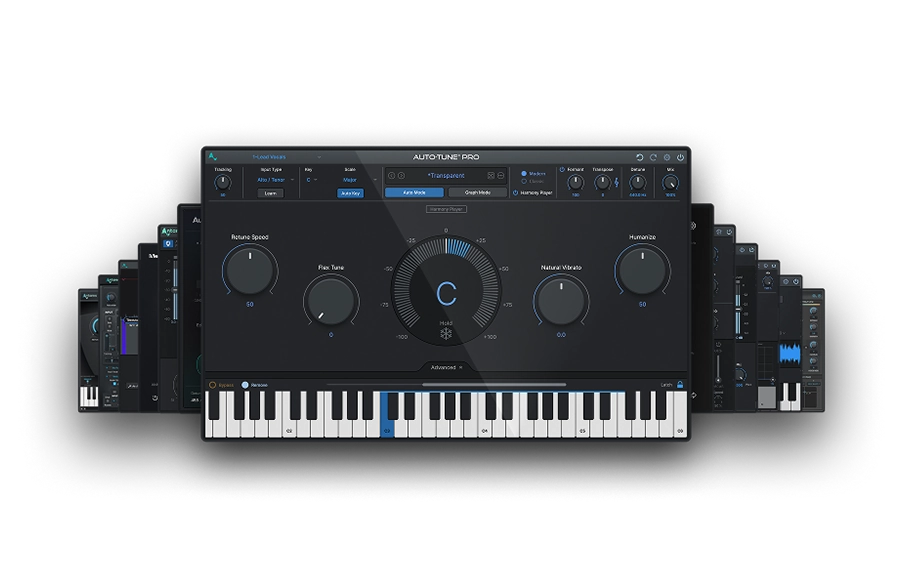
The complete vocal chain in AutoTune Unlimited provides every tool necessary for professional hip-hop vocal production. Vocal Prep cleans recordings, AutoTune Pro 11 handles pitch and creates harmonies, Vocal EQ shapes frequency with AI learning and pitch tracking, Vocal Compressor provides serial and parallel compression with dual-stage architecture, Vocal De-Esser controls sibilance, and Vocal Reverb adds space without mud. Try it free for 14 days and discover how professional vocal processing transforms vocals from buried or harsh to clear, powerful, and commanding.

AutoTune Unlimited
The Ultimate Vocal Production Suite

Exclusive AutoTune Content
Related Articles:

AutoTune Pro

AutoTune Unlimited

AutoTune 2026 and Metamorph
Now Included

Written by: Brian Davitt
Senior Manager, GTM at AutoTune
Brian has 15+ years of experience in the music industry, transitioning from his early 2000s roots touring with bands to becoming an audio engineering professional after earning his degree in 2011. Before joining AutoTune, Brian built his expertise working with legendary music technology brands including M-Audio, HeadRushFX, and Akai Pro. When he's not developing marketing strategies for AutoTune, Brian rocks out with his Math Rock band Between 3&4.