
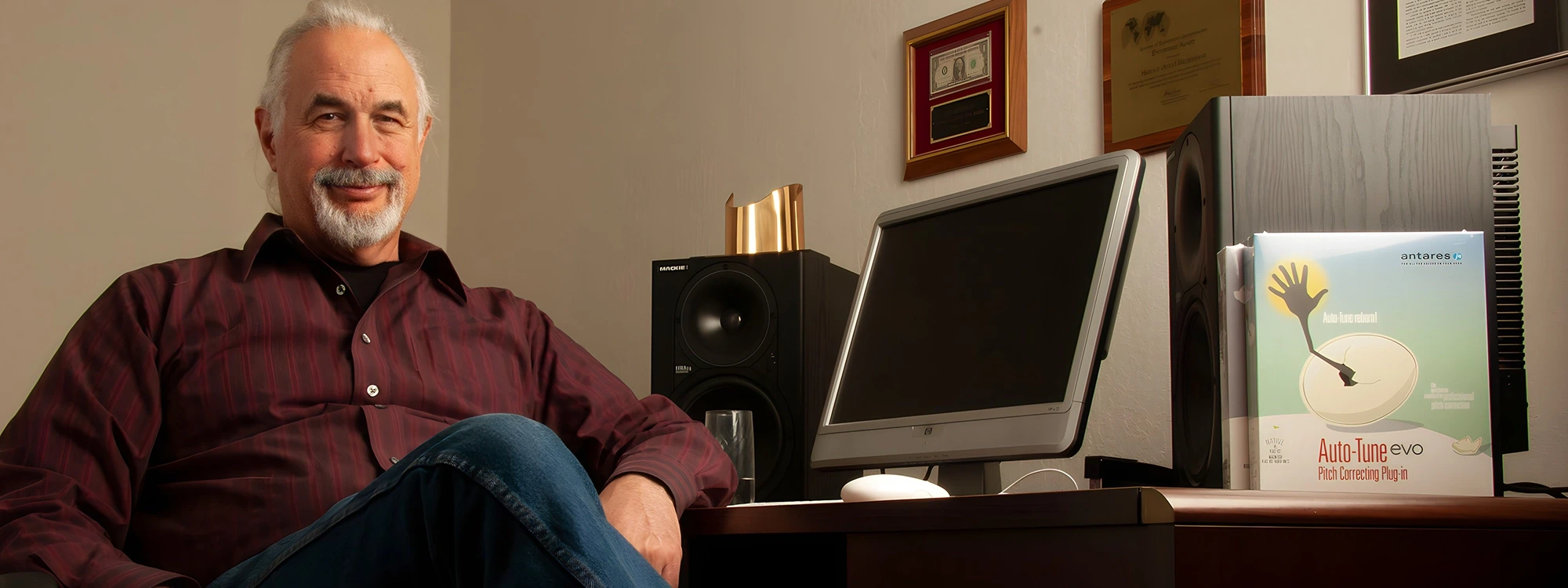
Excuse us while we take a minute to humble-brag: This month, the Recording Academy will honor our founder, Dr. Andy Hildebrand, with a Technical GRAMMY Award for his contributions to the recording industry with the invention of Auto-Tune, and we couldn’t be more thrilled!

When “Dr. Andy” Hildebrand invented Auto-Tune pitch correction debuted more than two decades ago, it revolutionized the music landscape. Today, Auto-Tune is the gold standard of vocal processing, synonymous with the sound of modern pop and hip hop. But the tool that transformed the sound of singers everywhere emerged from the underground—literally.
The story begins back in 1989, when Dr. Andy, a brilliant geophysical engineer and mathematician, left a lucrative oil industry career to go to music school. A talented flutist who worked as a studio session player from the age of 16, Dr. Andy enrolled in Rice University’s Shepherd School of Music, where he studied composition. Unfulfilled by the “unnatural” sounds of digitized instruments, he built an algorithm that could seamlessly loop string samples, drawing on digital signal processing technologies he developed for geophysical applications.

Back in his oil industry days, Dr. Andy pioneered auto-correlation algorithms, which use seismic waves to map potential drill sites. In a breakthrough moment, he discovered he could apply those same algorithms to music, and he set out to write his own sampling software. In 1990, Hildebrand founded Jupiter Systems, the predecessor of Antares Audio Technologies, and launched the Infinity software sampler that year.
The moment that led to the birth of Auto-Tune came five years later, at a NAMM Show lunch. Dr. Andy, ever the provocateur, asked a group of friends, “What needs to be invented?” Someone answered, “a box that lets me sing in tune!” It was a joke, but Dr. Andy’s gears started turning.

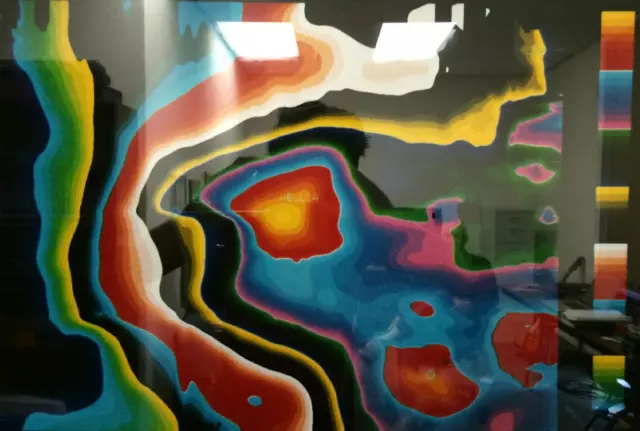
In the geophysical field, Dr. Andy pioneered algorithms that could map the earth’s surface by sending out sound waves and recording their reflections. He discovered that when he applied these models to audio, they could detect pitch. Dr. Andy got right to work.
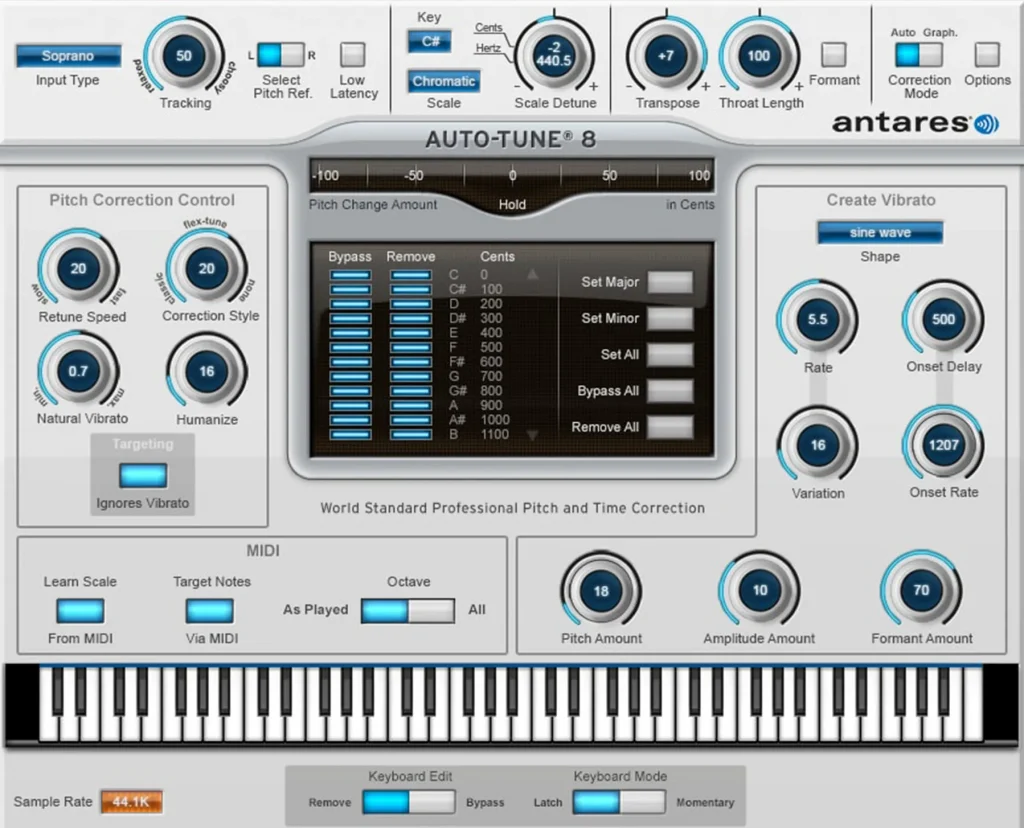
When Antares debuted Auto-Tune at the 1997 NAMM Show, producers and engineers everywhere went wild, blown away by its natural, undetectable pitch correction. “People were tearing it out of my hands,” Dr. Andy said.
In those early days, Auto-Tune was a studio “secret weapon,” an indispensable tool used behind the scenes to burnish even the most pristine vocals. But that all changed a year later with the debut of Cher’s blockbuster hit “Believe.” Seeking to resurrect the singer’s career with a dance single that could capitalize on the success Madonna found with her smash single “Ray of Light,” the producers tried a radical new trick. They applied an extreme, highly audible Auto-Tune Effect to Cher’s voice, telling anyone who asked that they used a “vocoder effect.”
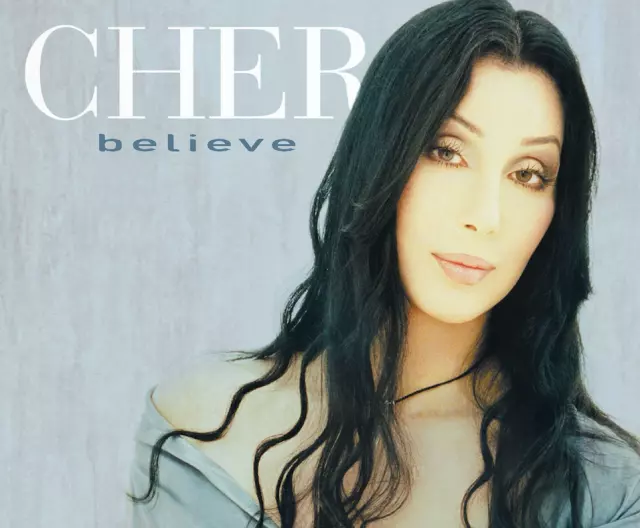
It was the first time Auto-Tune was used as an expressive tool, and Cher sensed that they were onto something: Facing pushback from the label over what it considered to be excessive use of the technique, ''I said, 'You can change that part of it over my dead body!'” the singer said.
Nobody could have predicted what would happen next: “Believe,” with its glitchy, buoyant, front-and-center vocal processing, became a career-defining hit for Cher, peaking at Number One in 23 countries; and Auto-Tune was brought to the forefront of production as singers everywhere wanted their own “Cher effect.”
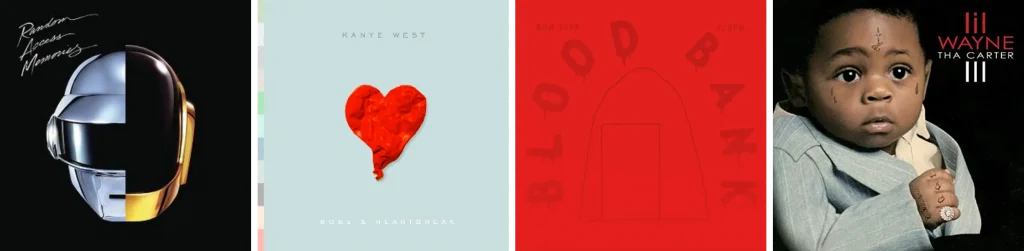
Over the next decade, Auto-Tune would shape the sounds of audacious albums like Daft Punk’s Random Access Memories, Kanye West’s 808s and Heartbreak, Bon Iver’s Blood Bank and Lil Wayne’s Tha Carter III. All the while, we (Antares Audio Technologies) were hard at work developing cutting-edge vocal-processing tools such as real-time physical modelers, harmony generators, and live performance tools that empower artists and producers to craft world-class vocal sounds.
Dr. Andy moved on and retired from Antares years ago, but his legacy endures. His invention, once a covert corrective tool, now defines the sound of a generation. It’s made its way into every genre, with artists like Zedd, Cardi B, Chris Brown, and Post Malone leveraging the power of Auto-Tune to shape their voices in the studio and deliver their signature sounds on stage. Pitchfork called Auto-Tune “the most important pop innovation of the last 20 years,” dubbing it "the fad that just wouldn't fade.”
At Antares, we’ve continually refined and expanded Auto-Tune’s capabilities, and today we offer a full suite of production tools that let music makers express the power and nuance of the human voice, in the studio or onstage. But the work of Dr. Andy will forever be remembered as transforming the way we create—and experience—great songs.
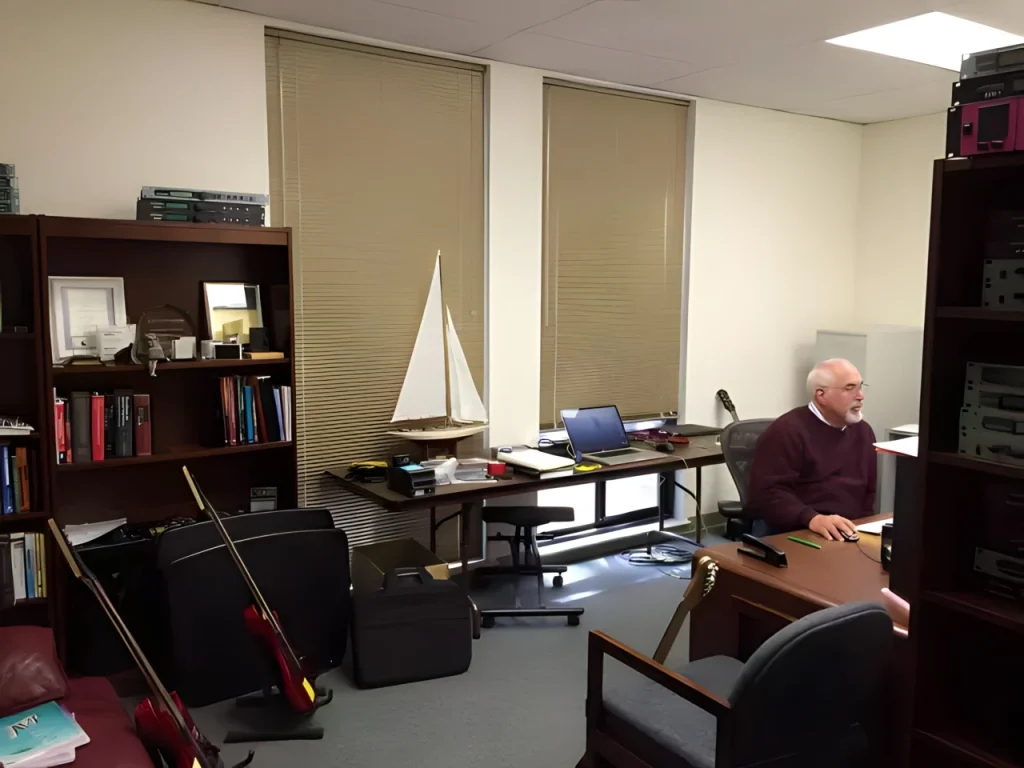
Thank you, and congratulations, Dr. Andy! We’re so proud of your accomplishments and we look forward to toasting you on Music’s Biggest Night.
The 65th GRAMMY Awards® will air Sunday, February 5 on CBS and will stream live at live.grammy.com.

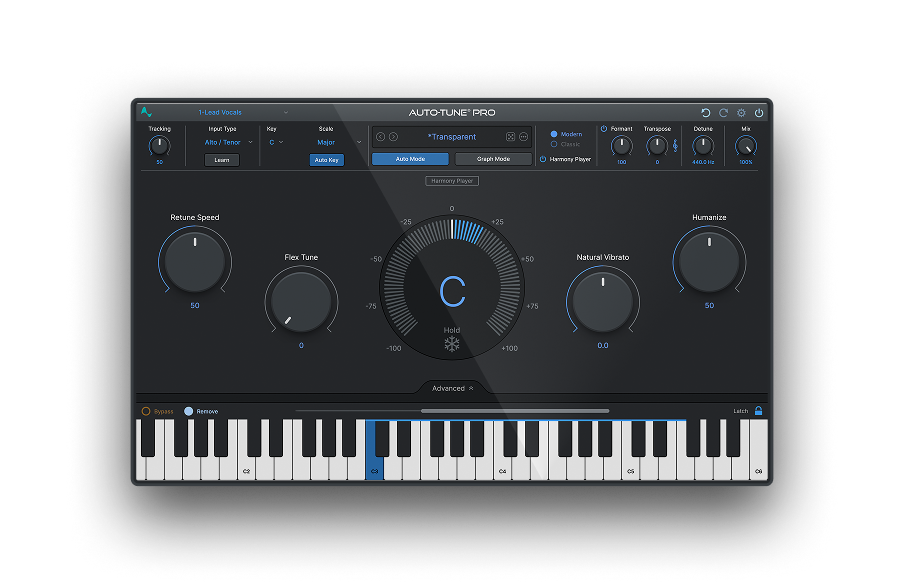
AutoTune Pro

AutoTune Unlimited
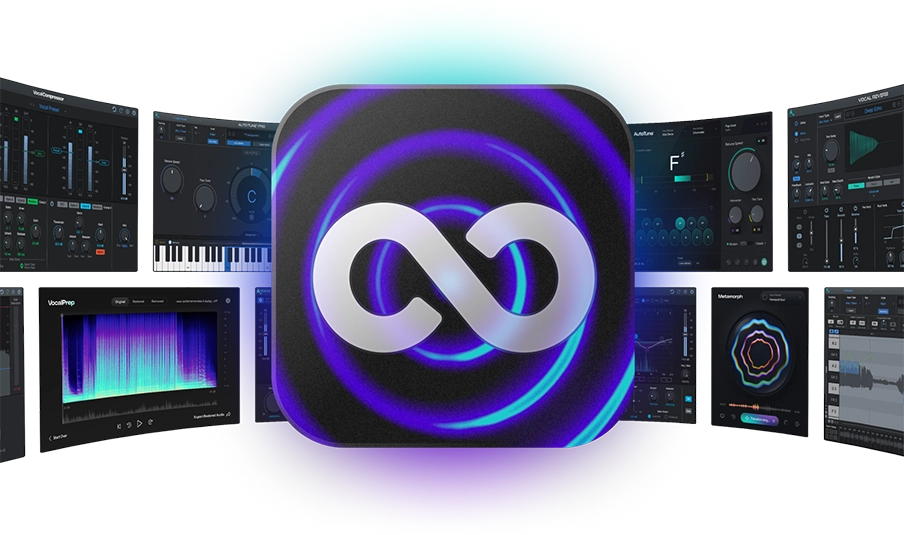
AutoTune 2026 and Metamorph
Now Included

Antares Editorial
Antares is a leading developer of software for music recording and live performance. For over 20 years, Antares has powered the music of top-charting and indie artists with products including the industry standard for pitch correction, AutoTune™.