

The average music producer earns around $65,000 a year in salaried roles. Working producers who stack multiple income streams (beat sales, royalties, production fees, and sync) can earn anywhere from $10,000 to well over $100,000 annually depending on credits, catalog depth, and how many revenue streams they've built. The total can land anywhere from a side hustle that covers your DAW subscription to a seven-figure year, depending on how many of those streams you've actually built.
This breakdown covers every revenue stream working music producers use in 2026, what each one pays, and the workflow choices that decide how many of them you can run at once.
How Much Do Music Producers Make in 2026?
Music producer earnings fall into four general tiers based on experience, credits, and the number of income streams they've built:
| Career Stage | Annual Earnings | What's Driving It |
| Starting | $0 to $10,000 | Building a first catalog, learning the workflow, taking the first few paid sessions |
| Building | $10,000 to $40,000 | Running a beat store with regular sales, picking up indie production work, starting to earn streaming royalties |
| Professional | $40,000 to $100,000 | Full-time production with a steady client roster, established beat and sample pack sales, sync placements landing every few months |
| Established | $100,000 and up | Major label credits, points on hit records, sample pack royalty checks, brand deals, and content revenue stacked on top |
Selling Beats Online
Beat sales are the most direct revenue stream for new producers in 2026. Platforms like BeatStars, Airbit, and Traktrain let you upload, license, and sell beats to artists worldwide without a label, manager, or publisher in the middle. The two main license types are leases and exclusives. A non-exclusive lease typically sells for $30 to $100 and gives the buyer specific rights with caps on stream counts, sales, or commercial use. Exclusive licenses run $300 to $5,000 and up, transferring full rights to the buyer and pulling the beat off the platform.
The producers actually paying rent off beat sales are doing volume. They release new packs every week, run sales around major artist drops, build email lists, and treat their store like a business with a marketing calendar instead of a hobby with occasional uploads. Most of them tag their beats with a custom audio drop at the start of the file, half as anti-piracy and half as a branding hook the moment the beat lands in someone's DAW.
Selling Drum Kits, Loop Packs, and Sample Packs
Digital products are the highest-margin product a producer can sell because the manufacturing cost is zero. Drum kits, loop packs, MIDI files, and vocal presets package the sounds and templates a producer has already built into a downloadable product that ships infinitely without restocking. Splice Sounds, Loopcloud, and Producer Loops handle distribution at scale, and direct sales through Gumroad or BeatStars give the producer a higher per-unit margin in exchange for handling their own marketing.
Drum kits typically sell direct for $10 to $50 each. A successful sample pack on Splice can pay out $5,000 to $50,000 and up in royalties over its lifetime through the platform's per-download royalty pool. Producers who release one new pack a month build passive income that compounds without ever having to take another session, and the kits also double as a portfolio piece that proves to artists what the producer's sound actually is before they reach out about a session.
Streaming, Publishing, and Royalty Income
Streaming royalties pay producers from two distinct paths in a song's earnings, and most working producers in 2026 collect from both at the same time.
Master royalties
Master royalties come from the recording itself. The label or artist usually owns the master, and the producer's cut is negotiated as "points," typically 1 to 5%, paid out as a percentage of every dollar the recording earns from streams, sales, and licensing for the life of the song.
Publishing royalties
Publishing royalties come from the songwriting credit. Producers who co-write a record earn the songwriter's share, typically split 50/50 between the publisher and the writer. Performance rights organizations like ASCAP, BMI, and SESAC collect the writer's share from streaming services and live performance venues and pay it out through the publisher. Producers who push for both producer credit & co-writer credit on the same record earn from both sides of the same stream.
Mechanical royalties
Mechanical royalties are paid every time a song is reproduced or streamed. In the US, the Mechanical Licensing Collective (The MLC) handles streaming mechanicals. Producers earn these only when they're on the songwriter side of the credit.
The producers earning meaningful streaming income in 2026 are the ones who insisted on a co-writer credit at the end of every session, before anyone left the studio.
Production Fees and Points on Records
Production fees are the upfront payment a producer charges to make a record, with Indie producers charging $500 to $5,000 per song depending on reputation and the deliverable scope. Major label producers work on per-track or per-album advances in the tens or hundreds of thousands, often with multiple revisions and stems delivery built into the contract.
Points on the record are the back-end, with a point equaling one percent of the artist's royalty share, and major label producers commonly negotiate 3 to 5 points per song. A platinum single with three producer points pays out steadily for years, and a deep catalog of those over a decade is the difference between "doing music full time" and a career that still pays in 2036. Speed in the studio is the multiplier underneath all of it, a producer who finishes a clean mix-ready vocal in two hours instead of eight runs four times the sessions and earns from four times the catalog over the same span.
Sync Licensing for TV, Film, and Games
Sync licensing pays a one-time fee to use a song in a TV show, film, ad, or video game, plus performance royalties when the placement airs. A single sync placement can pay anywhere from $1,500 for an indie film to well into six figures for a major brand campaign or a hit network show.
The producer's share of a sync fee is separate from streaming royalties, which makes sync one of the few revenue streams in music that still pays a meaningful lump sum up front. Some producers build entire careers around making tracks specifically for sync catalogs, working through music supervisors directly or through libraries like Musicbed and Marmoset. The full breakdown of how sync placements work, who pays what, and how to get into a catalog lives in our sync licensing guide.
Content Creation: YouTube, TikTok, and Building a Producer Brand
Content creation is its own income stream for producers in 2026, separate from selling music. YouTube channels documenting beat-making sessions, breakdowns of how popular records were produced, and tutorials on plugins and DAWs monetize through ad revenue, channel memberships, and brand deals with audio hardware and software companies. TikTok and Instagram Reels drive trial conversions to the producer's beat store and sample packs.
A producer with 100,000 engaged YouTube subscribers can earn more from YouTube ad revenue and brand partnerships than they earn from beat sales, and the content also doubles as the marketing engine that drives every other revenue stream on this list. Treating production as content, not just commerce, is the move that separates established producer-brands like Internet Money or Noah Mejia from anonymous beatmakers grinding on BeatStars.
Ghost Production and Direct-to-Artist Work
Ghost production is a flat-fee arrangement where a producer makes a track for an artist or DJ who releases it under their own name with no public credit. Standard ghost production fees run $500 to $5,000 per track for working DJs and rising artists, and clear $20,000 and up for top-tier DJs who need album-quality material on a release schedule. The tradeoff is no credit and no points on the back end, traded for an immediate paycheck and the freedom to work without the stylistic constraints of building a producer brand. Ghost production sits alongside direct-to-artist services like flat-fee mixing, mastering or single-track production for indie artists with no royalty arrangement, which is how a lot of producers cover the bills between bigger projects.
How AutoTune Unlimited Helps Producers Run More Sessions
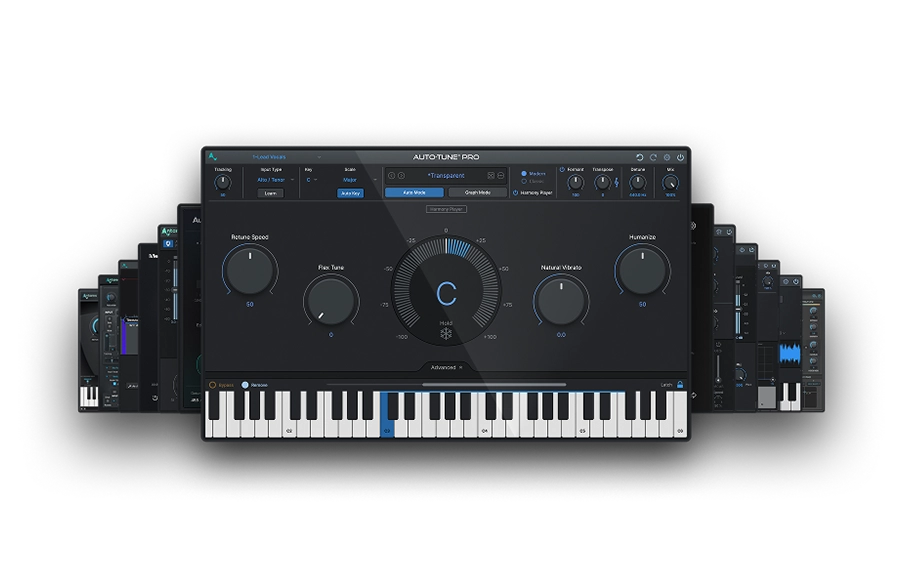
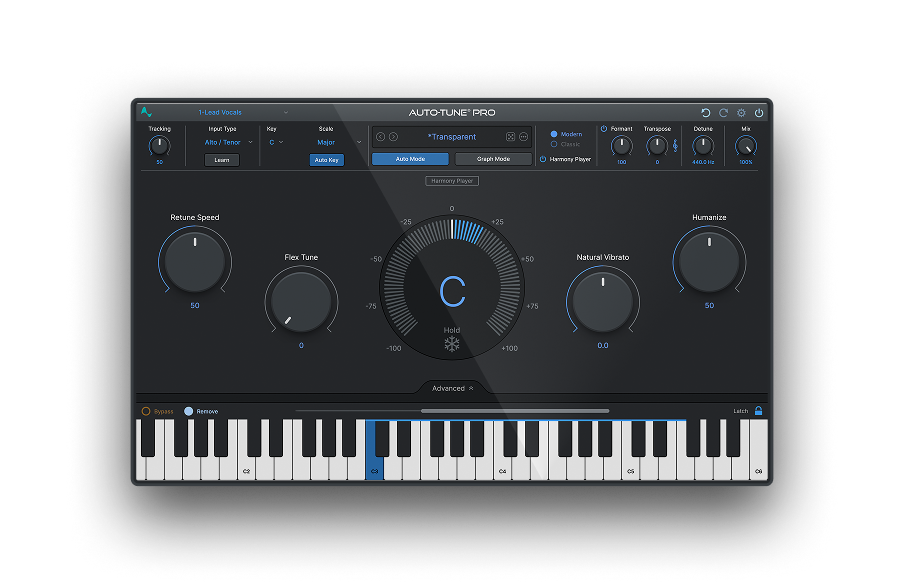
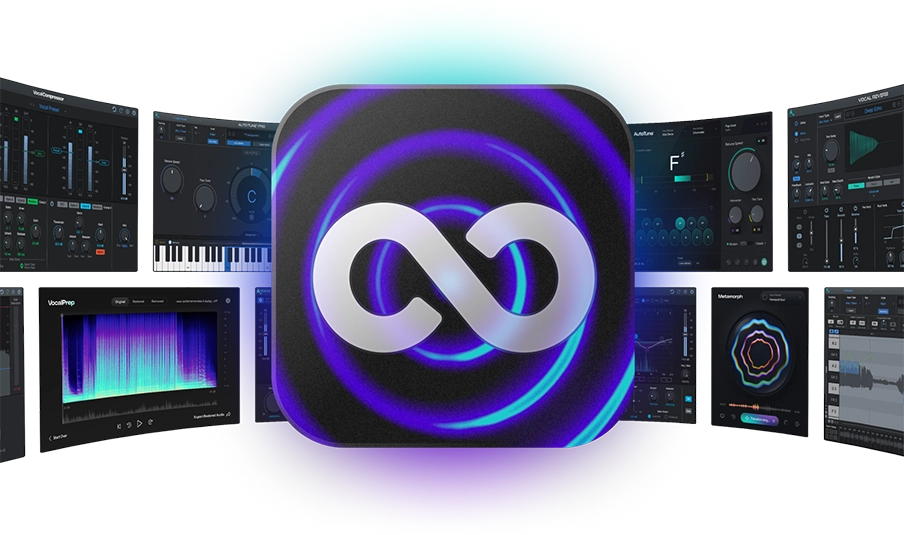
AutoTune Unlimited consolidates the full vocal production toolkit on a single subscription with AutoTune 2026 for pitch correction, the AI-Powered Vocal Chain for EQ, compression, de-essing, and reverb, Harmony Engine for backing vocals, Metamorph for vocal transformation, AutoKey to get the key of samples quickly, plus every current AutoTune plugin and future release during your subscription. The full vocal chain workflow is broken down step by step in our guide on how to build a professional rap and R&B vocal chain.
The fewer plugin licenses you have to manage separately, the more time you keep on the production side of the ledger, and the more sessions you can finish in a month.

AutoTune Unlimited
The Ultimate Vocal Production Suite
Frequently Asked Questions
How much do music producers make?
The average music producer makes around $65,000 a year, according to Salary.com. Working producers typically stack multiple income streams from beat sales, royalties, production fees, sync placements, and content, with total annual earnings range from under $10,000 for producers just starting out to well over $100,000 for producers with major label credits and a deep catalog.
How much do music producers make per song?
Indie producers charge $500 to $5,000 per song. Major label producers earn $5,000 to six figures per track, depending on credit, plus 3 to 5 points on the record.
Do music producers get royalties from streaming?
Producers earn streaming royalties from two paths. Master royalties come from "points" on the recording, typically 1 to 5% of the artist's royalty share. Publishing royalties come from co-writer credit, typically split 50/50 between the publisher and the writer, collected through ASCAP, BMI, or SESAC. Producers credited as both producer and co-writer earn from both sides of the same stream.
How much can producers make from drum kits and sample packs?
Yes. Top sellers on BeatStars and Airbit clear six figures a year. Most producers building a real beat business release new packs weekly, sell exclusive licenses for $300 to $5,000, and build an email list of repeat buyers.
Can you make a full-time living selling beats online?
Direct sales of drum kits and loop packs typically run $10 to $50 per kit on Gumroad or BeatStars. A successful sample pack on Splice can pay out $5,000 to $50,000 and up in royalties over its lifetime through the platform's per-download royalty pool.
Can music producers make money on YouTube and TikTok?
Yes. Producer YouTube channels earn through ad revenue, channel memberships, and brand deals with audio software and hardware companies. A producer with 100,000 engaged subscribers can earn more from YouTube and brand partnerships than from beat sales, while the content drives traffic to every other revenue stream the producer runs.
What are producer points?
A producer point equals 1% of the artist's royalty share on a record. Producers commonly negotiate 3 to 5 points per song, paid out from streaming, sales, and sync revenue for the life of the recording.

Exclusive AutoTune Content

AutoTune Pro

AutoTune Unlimited
AutoTune 2026 and Metamorph
Now Included

Antares Editorial
Antares is a leading developer of software for music recording and live performance. For over 20 years, Antares has powered the music of top-charting and indie artists with products including the industry standard for pitch correction, AutoTune™.