

The world of audio production is so vast and diverse that it can be confusing for anyone exploring it for the first time. In this era of digital abundancy and endless creative tools at our fingertips, the boundaries of what defines artistry are even more blurred, so we decided to dedicate an article to the concept of audio production: what it is, the fundamental tools and techniques, and how to best express yourself through sound.
Audio Production vs. Music Production
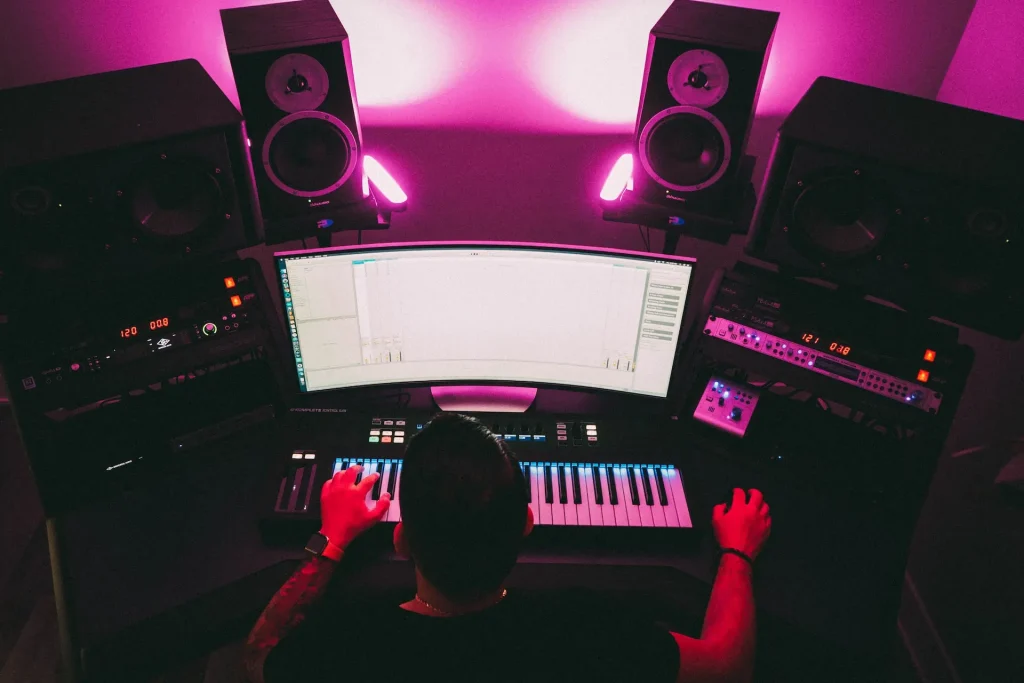
Audio production and music production are two sides of the same coin.
Music production is all about making music and transforming an idea into a musical experience. It’s the embodiment of creativity in music: the ability to create a melody, composition, or beat that resonates with others and evokes feelings. Music production is also about collaborating with other artists, matching their vibes, understanding their vision, and translating it into a track that will move listeners.
Audio production is the technical art of crafting a coherent auditory experience. It's not just about crafting a song from scratch but also involves the process of capturing, manipulating, and producing sound. From recording dialogue in a movie, creating ambient noise for a video game, mixing the effects in a podcast, or mastering a new release, audio production is a concept that includes every technical aspect related to sound.
There's some overlap between the two: both crafts require you to know your way around a mixing board and have a good understanding of acoustics, frequencies, and how sounds interact.
But while they share some tools and techniques, these are two distinct disciplines. Just because you can create an unforgettable beat doesn't mean you'll be able to mix the sound for a movie, and just because you can balance the dialogue and sound effects in a TV show doesn't mean you can produce a hit record.
Exploring the Technical Aspects of Audio Production
Music production is a fascinating realm where art meets technology. Behind every song you listen to, there’s a meticulous audio production process, so let's explore the technical aspects of audio production, focusing on recording, editing, mixing, and mastering.
Technical Procedures and Techniques
Recording:
A recording is the foundation of audio production: capturing the audio signals and musical ideas to save them into a medium.
The primary objective is to obtain high-quality audio signals. To achieve this, several key elements come into play:
- Microphones: Artists and audio engineers need to choose the right microphone(s) based on the sound source and desired effect: dynamic, condenser, and ribbon microphones all have distinctive characteristics that can help you capture your sound professionally. But what if you could make the mics you have sound like the mics you want? Enter the Mic Mod, a microphone modeling tool. It's easy to use and the effect is next-level for capturing the vibe you’re going for.
- Audio Interfaces: These devices connect microphones and instruments to a computer, converting analogue audio signals into a digital format. Audio interfaces come in various configurations that offer different features as well as multiple input and output options.
- Digital Audio Workstations (DAWs): DAWs serve as the central hub for recording, as they provide a platform to record, edit, and mix audio. Popular DAWs include Pro Tools, Logic Pro, Ableton Live, and FL Studio.
Editing:
Once we have raw audio, engineers take care of the editing process to refine and enhance the sound. Key aspects of audio editing include:
- Time and Pitch Correction: Tools like Auto-Tune help correct pitch inaccuracies, enhancing the overall audio production of the recorded material.
- Compiling Takes: When multiple takes are recorded, comping is the process of selecting and arranging the best parts from each take to create a seamless and cohesive experience.

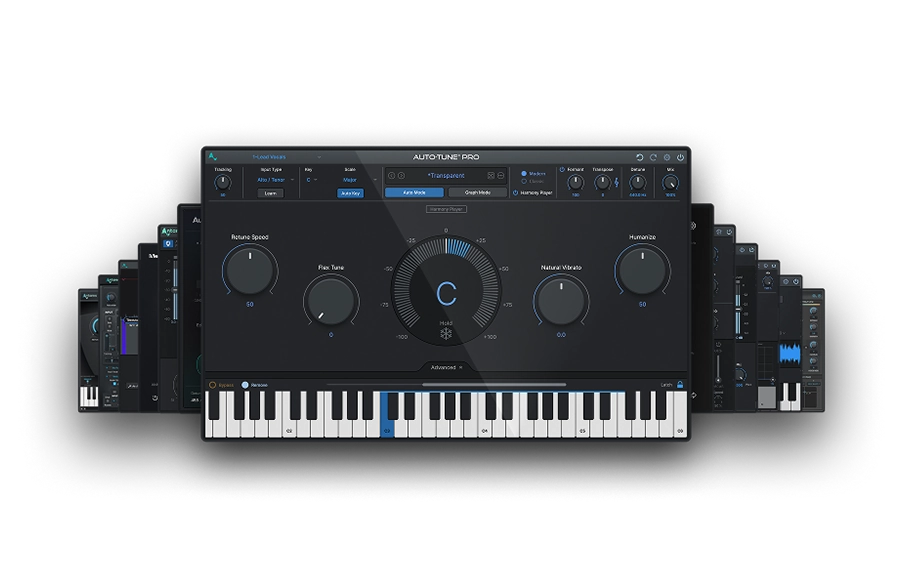
AutoTune Unlimited
The Ultimate Vocal Production Suite
Mixing:
Mixing is the process of blending individual audio elements into a coherent and balanced stereo or surround sound mix. Key considerations in mixing include:
- Equalization (EQ): EQ helps to shape the tonal balance of individual tracks, allowing adjustments to frequency content and removing unwanted resonances.
- Dynamics Processing: Tools such as compressors, limiters, and expanders help control the dynamic range of audio signals to ensure a consistent sound.
- Effects and Spatial Processing: Reverb, delay, chorus, and other effects can add depth, dimension, and ambience to the mix that creates a sense of space and movement.
Mastering:
Mastering is the last step in audio production that prepares the mix for distribution across various platforms and ensuring sonic consistency across different playback systems. Among other things, mastering engineers ensure that the audio meets appropriate loudness standards across different platforms, add the necessary metadata, and adjust gaps between songs. For more information, check out our recent article on the topic.
The Importance of Audio Production

Have you ever watched a scary movie on mute? You’ll notice that it doesn't quite have the same impact. An eerie score, sudden sound effects, and the subtle ambient noise – they're all meticulously crafted by audio producers to build suspense, evoke fear, and enhance the overall cinematic experience. It's their work that makes your heart pound during a chase scene or brings tears to your eyes in a dramatic moment.
The same goes for the gaming industry, which has evolved so much over the years thanks to the recent leaps and bounds in audio engineering technology. From the immersive soundscapes of open-world games like "The Witcher 3" to the adrenaline-pumping battle sounds in "Fortnite" or "Call of Duty," high-quality audio brings life into these virtual worlds, and envelopes you into their intricate sonic textures.
And let's not forget about advertising. You know those jingles that get stuck in your head for days? That's the magic of sound production. Crafting a catchy, memorable audio piece can be the difference between an ad fading into obscurity and becoming a cultural phenomenon.
Quality audio production isn't just a luxury: it's a necessity in the world of modern content production. Nowadays, we don't just listen with our ears; we listen with our hearts. High-quality audio enhances our experiences, stirs our emotions, and shapes our perceptions.
Career Opportunities in Audio Production
There are numerous exciting paths in audio production, and many more will evolve in the following years, so entering this vast realm is undoubtedly an exciting time.
Sound engineers, the maestros behind the mixing console, are always in high demand. They're the ones making sure every mic is in place, every sound is captured professionally, and every element of the mix hits the sweet spot. Sound engineers also ensure live events are successful by creating the perfect soundstage for every performer.
Audio editors are the ones precisely cutting, splicing, and stitching pieces of audio together, removing unwanted noise, adjusting the pitch, or syncing audio with visual elements. From podcasts to movie production, audio editors’ keen ears and attention to detail will ensure a smooth, engaging auditory experience.
The role of the sound designer is crucial across all creative productions, as they’re the ones who create unique soundscapes and audio environments that pull us into different worlds while watching movies or playing video games. Whether it's designing the roar of a mythical creature for a fantasy movie or the ambient soundscape for a video game, their creativity enhances the immersive experience.
Finally, audio producers are the engineers who plan, coordinate, and ensure the overall quality of the audio content is flawless. Whether for a radio show, an album, or a commercial, their ability to handle projects and people bring an audio piece from concept to completion.
Breaking into this field requires a mix of technical knowledge, creativity, and a discerning ear. Formal audio or sound engineering education is a great start, but hands-on experience and a portfolio of work often speak louder. Also, staying on top of tech trends, like spatial audio and AI-generated sounds, can give you an edge.
Essential Tools: Plug-ins, VSTs, and DAWs in Audio Production
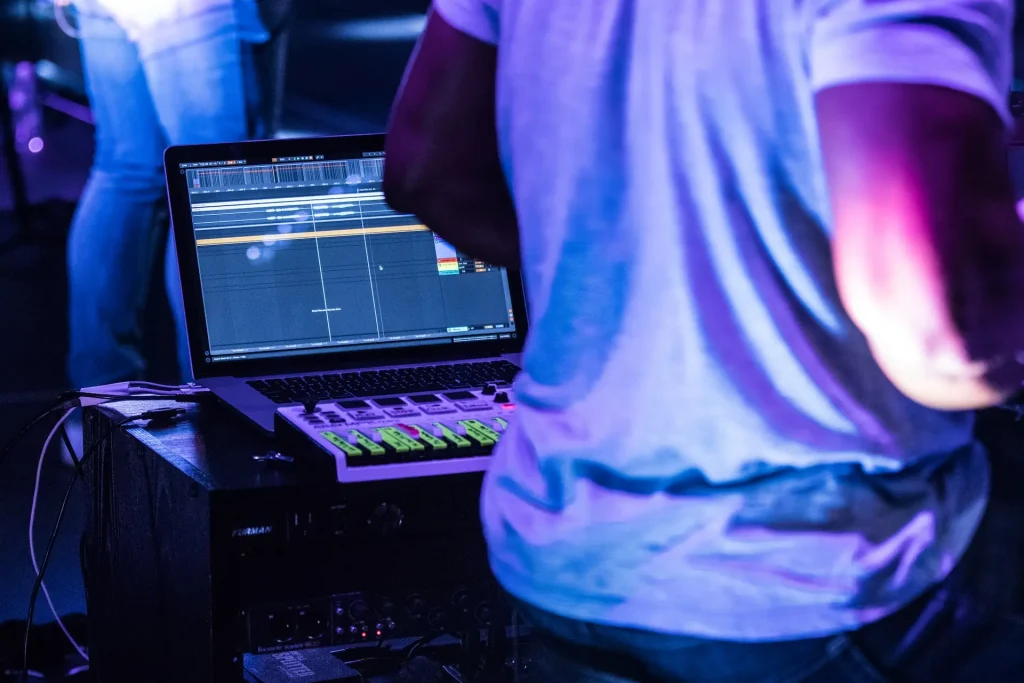
Step into any modern audio production studio, and you're going to find a few key tools that are essential, namely plug-ins, VSTs, and DAWs. The latter is the core of your production setup, where all the recording, editing, mixing, and mastering happens. Some of the most popular DAWs are Cubase, LUNA by Universal Audio, PreSonus StudioOne, Ableton, Pro Tools, FL Studio, Logic Pro, and GarageBand.
Plug-ins are pieces of software that allow you to manipulate sound in a multitude of ways: from EQ plug-ins for balancing frequencies, compressor plug-ins for controlling dynamics, reverb and delay plug-ins for creating spatial effects, and so on. Some go-to plug-ins are FabFilter for EQ and compression, Valhalla for reverbs, and Soundtoys for creative effects.
VSTs, along with AU and AAX, are formats for plug-ins that allow for virtual instrumentation in the digital realm. These plug-ins can encompass a broad range of sounds, from emulations of classic analogue synths to lifelike pianos and drums, providing an entire orchestra at your fingertips. Among these, there are certain noteworthy options. Spectrasonics Omnisphere, for instance, is valued for its expansive sound library. Native Instruments Kontakt is renowned for its impressive rendition of acoustic instruments, while Serum by Xfer Records offers versatile and richly detailed synth sounds. It's essential to remember that while VST is a commonly used term, it's just one of several formats for these digital music tools.
AutoTune Unlimited
The Ultimate Vocal Production Suite
Elevate Your Audio Production with Auto-Tune Vocal Effects
Audio production is a constantly evolving field. Advancements in technology have empowered engineers with professional tools that can enhance the qualities of podcasts, videos, and music compositions, so if you choose a career in audio production, you’ll find job opportunities in recording studios, radio, TV, live sound engineering, the movie and gaming industries, and more.
Music production is a creative lifestyle that’ll take you on a journey of self-expression and dedication to your craft. You’ll find it empowering at times, but the creative life has plenty of obstacles you’ll need to overcome along the way.
Whether you're interested in music production, designing sound for film and video games, or creating a successful podcast, you'll need effects to help you meet industry standards and craft your sound signature. With the comprehensive set of Auto-Tune Vocal Effects in your arsenal, you can unleash your creativity while crafting the perfect sound to make your audio content successful worldwide.
Auto-Tune's vocal processing plug-ins can enhance the qualities of your content thanks to carefully-designed tools that bring to life unique sound textures: from microphone modeling tools to authentic analogue saturators, in these plug-ins, you'll find everything you need to magnify the beauty of your sound and take it to the next level.
Good luck, and stay creative!

Exclusive AutoTune Content

AutoTune Pro
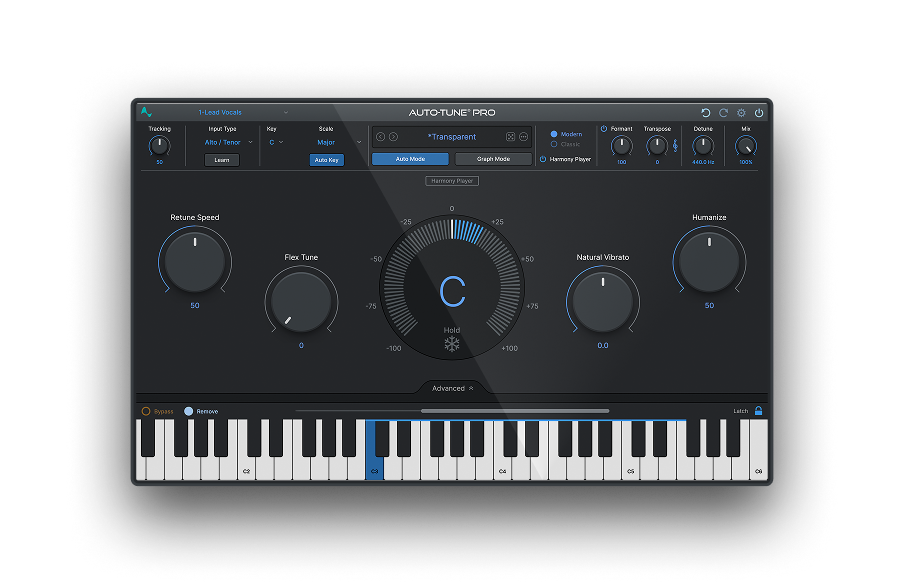

AutoTune Unlimited
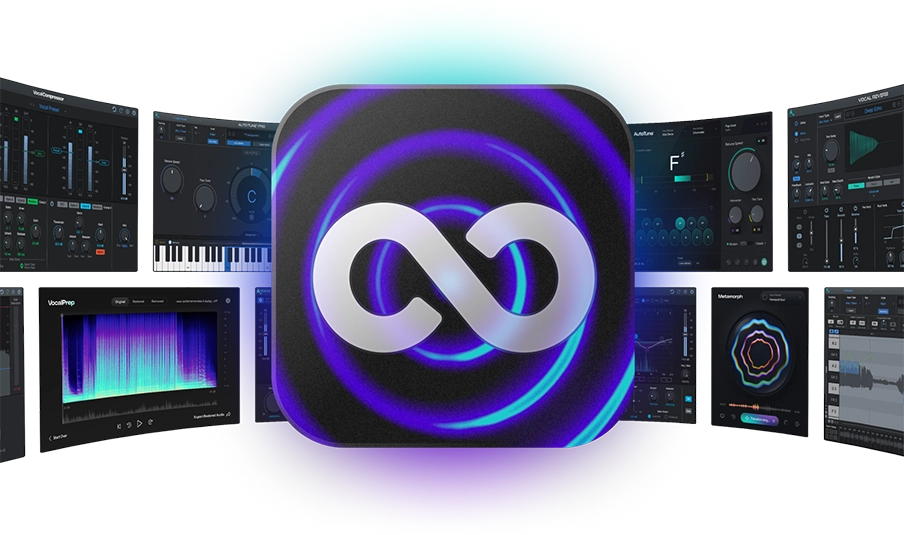
AutoTune 2026 and Metamorph
Now Included

Antares Editorial
Antares is a leading developer of software for music recording and live performance. For over 20 years, Antares has powered the music of top-charting and indie artists with products including the industry standard for pitch correction, AutoTune™.