
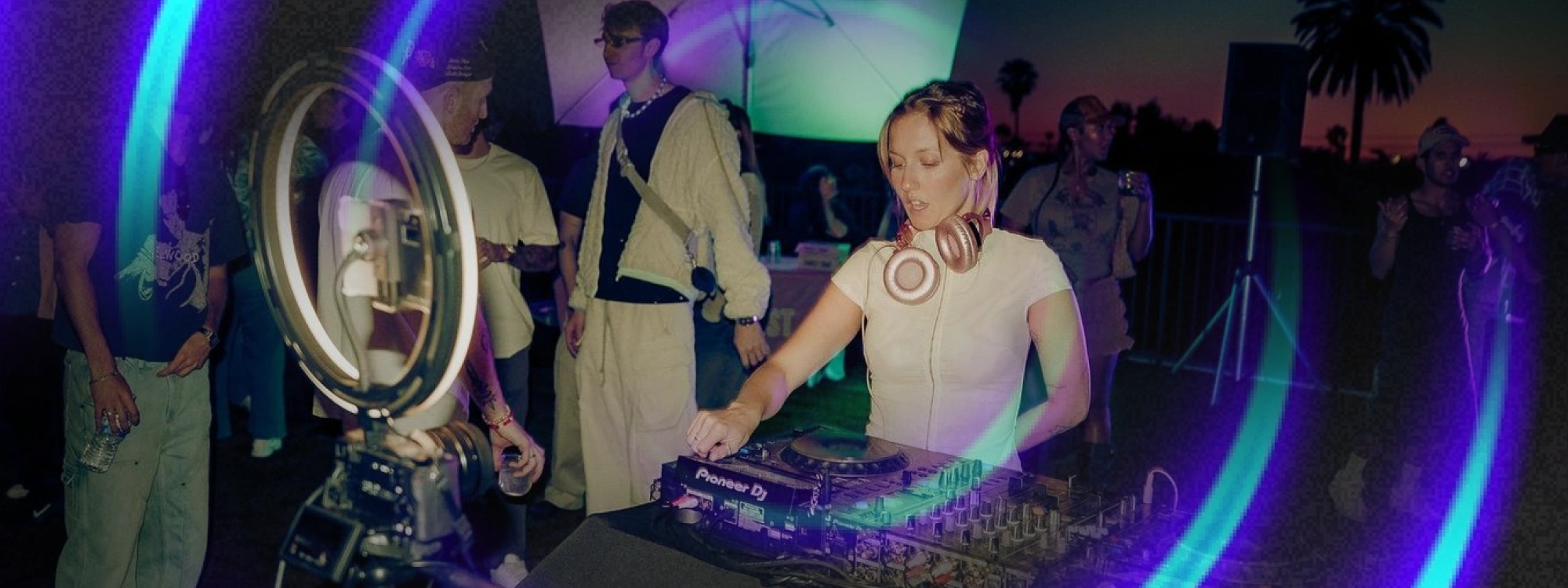
The Coachella Valley Music and Arts Festival is the premier global music and arts event held annually at the Empire Polo Club in Indio, California. The 2026 edition spans the weekends, April 10 to 12 and April 17 to 19, featuring headliners Justin Bieber, Sabrina Carpenter, and Karol G. This year’s lineup also features artists like Young Thug, Swae Lee, and PinkPantheress, who use AutoTune to define their signature vocal aesthetic.
Outdoor festival stages require a different vocal production setup than indoor venues. The Empire Polo Club in Indio has no walls, no ceiling, and no room reflections. The Desert wind, 100 degree stages, crowd noise from six different places at once and PA coverage patterns spanning tens of thousands of people across open ground, all change the acoustic environment the vocal performs in. The same correction and processing that might work in a club or rehearsal room has to be reconfigured for these conditions. Vocal production at most festivals usually consists of a signal chain, monitoring, pitch correction and vocal processing. This can go into two pathways depending on the complexity of the set. AutoTune 2026 in Low Latency mode handles the fast, reliable tuning needed with minimal setup. AutoTune Pro paired with our Vocal Chain products covers full vocal processing for produced headliner sets.
Live Vocal Signal Chain: Mic to PA Setup
A full audit of the signal path from microphone to front-of-house PA (FOH), should happen before the festival, not during a 15 minute changeover with a stage manager screaming at you counting down. The window between acts typically lasts only 15 to 20 minutes and requires the outgoing artist’s gear to be cleared and the incoming rig patched and tested. The stage manager is responsible for keeping the festival schedule on track to the minute, so when you hear them counting down, your window for technical troubleshooting has closed. Any signal issues discovered at this point risk eating into your performance time or worse, forcing you to start a set without your vocal chain.
Wireless systems are more vulnerable to fail at a festival this size. The RF spectrum across Coachella’s stages is packed with every act on both weekends competing for clean frequencies. Frequency assignments should be confirmed with the festival’s production team early before the event. Every set, the batteries need to be changed for all gear, no exceptions. Desert heat will drain them faster than indoor shows and you don’t want the stage manager saying, “I think we got about 10% left” with 20 more minutes of stage time.
Balanced XLR cables have to be run from all stage racks and double checked for issues like loose connectors, cracked solder joints or signal dropouts from cables being stepped on. Every cable and connection must be labeled clearly so the festival crew can troubleshoot quickly during any issues or changeover.
Monitor Mix Setup for Outdoor Festival Acoustics
Monitoring is the most high impact variable in live vocal performance quality. Outdoors, all acoustic support from the room disappears. The only thing reaching the performer’s ears is the direct output from wedges or In Ear Monitors (IEMs).
IEMs are the best for outdoor festival performances. They isolate monitoring from the FOH mix, and all the ambient noise of the crowd hopefully singing along. The vocalist can get a consistent pitch reference regardless of what’s happening in front of the stage. For performers who struggle with pitch stability in loud outdoor environments, moving to IEMs is often the one thing that solves the problem.
The IEM mix should include three key elements:
- The vocal, sitting clearly above everything else
- Enough of the main melodic instrument, backing track or instrumental for pitch reference
- A click track or drum bus to stay locked in time and on beat
Anything else, and you just add clutter. Over a 30 to 45 minute set, a packed monitor mix will wear a performer’s ears out and make it harder to stay in pitch by the last song.
Vocal Care and Gear Protection in Desert Heat
Indio in April regularly hits triple digits on stage. Heat dehydrates vocal cords fast and the vocal folds swell in extreme weather, which compresses range and shifts tone. This is why water intake throughout the day is non-negotiable. Most performers have to cut alcohol and caffeine before their set just to properly prepare. Oftentimes because of the dry air, steam or a personal humidifier can be used between performances to help vocal cords stay hydrated. A solid pre-show vocal warm up routine is needed in these conditions, to keep the voice warm, ready and stable.
All processing gear stays in the shade during load-in and between acts. Direct desert sunlight on wireless transmitters, tablets, and laptops causes overheating and unexpected shutdowns. Protective cases are needed for anything sitting in the Indio sun.
Outdoor Stage Soundcheck Protocol for Festival Sets
Coachella soundchecks are short and shared across a packed daily schedule. The vocal chain gets priority, and the approach changes depending on the stage.
The Coachella Stage and Outdoor Theatre are fully open-air. No roof, no walls, no acoustic containment of any kind. Sound disperses in every direction, and the only pitch reference reaching the vocalist's ears comes from the monitors. Wind at the Empire Polo Club can shift throughout the day, changing how the PA projects to the crowd and how monitor bleed interacts with the IEM mix. Soundcheck on these stages means always testing for worst-case conditions.
The Sahara, Mojave, Gobi, and Sonora are tented stages. The tent structure has partial acoustic containment, which means some reflected sound reaches the performer, but not in a predictable or consistent way. Low-end frequency energy builds up inside tents differently than it does outdoors, especially in the Sahara where the PA is designed to fill an 80-foot-tall enclosed space. EQ settings that worked on an open-air stage will always need adjustment inside a tent, particularly in the 150 to 250 Hz range where boominess accumulates. The Yuma tent is fully enclosed and air-conditioned, which creates the closest thing to an indoor monitoring environment at the festival, but it's still not a treated room.
Regardless of the stage, artists sing sustained notes and confirm that the pitch correction is working correctly. Playback and FOH engineers always have to verify that Low Latency mode is engaged and there is no delay/lag in the monitor outputs. To do this, the artist has to walk the stage and find the dead spots during soundcheck, not during the second song. This is why communication with FOH and playback engineers gets locked in well before the set starts.
Fast Live Pitch Correction with AutoTune 2026
This is the setup for fast, reliable pitch correction with no extra routing or configuration. AutoTune 2026 in Low Latency mode processes fast enough that there is zero noticeable delay between a performer’s note and the corrected output hitting the PA.
Key and scale get set for the setlist. AutoKey detects the key of the incoming audio in real time, so when songs change keys mid-set, the correction target updates automatically. Retune Speed gets adjusted at soundcheck as well based on the acoustic environment. This is the setup melodic rappers depend on. Artists like T-Pain and Lil Yachty made real time correction a defining part of their vocal identity, and that shines through in the performance using AutoTune. Even in calmer settings outside of music festivals, Morgan Jay uses AutoTune as a live comedic instrument, singing improvised songs where the correction is part of the performance. The need is still the same, with tuning having to work the second the set starts.
Full Live Vocal Chain with AutoTune Pro and the AI-Powered Vocal Chain
This is the setup for a fully produced festival set with per song correction settings, real time EQ, compression, de-essing and generated harmonies all processed at once.
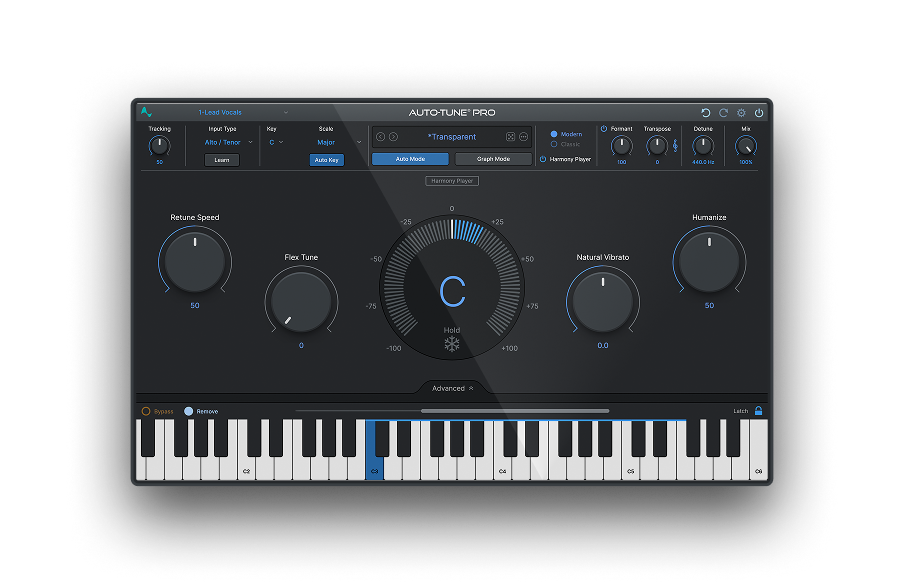
AutoTune Pro gives the engineer access to advanced real-time controls that AutoTune 2026 doesn't offer. Vibrato and Formant adjustments can be dialed per song, allowing the vocal character to shift across a setlist the way it shifts across an album. Smart MIDI Hardware Mapping lets the engineer assign any AutoTune Pro parameter to a physical knob, fader or pad on a MIDI controller by right-clicking the control and moving the hardware. That means Retune Speed, Formant or Vibrato depth can be adjusted during the performance without touching a screen. Pro's built-in Harmony Player adds up to four MIDI-triggered harmonies with individual control over formant, pan and level, giving artists another option for live vocal layering alongside Harmony Engine. Multi-View lets the engineer switch between separate AutoTune tracks in a single window, which speeds up workflow when managing multiple vocal channels for a headliner set.
After pitch correction is applied, a vocal chain is used to enhance the sound. Our Vocal Chain products can be used after Pro in the signal path.
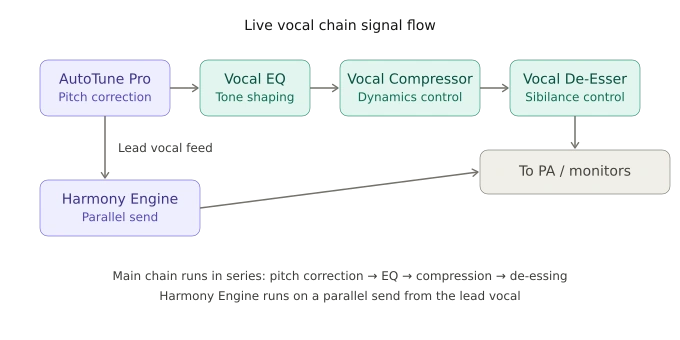
EQ’ing shapes tone for the PA and Indio’s open desert acoustics. Compression controls dynamics for a performer constantly moving across a festival main stage. De-Essing catches the sibilance that compression tends to amplify when using large outdoor PA systems. Tools like Harmony Engine run on a parallel send, generating real time harmonies from the lead vocal for acts recreating layered studio arrangements live. The settings get configured per song and levels get tested at soundcheck before performance because of how harmony blending changes without room reflections. The production teams behind headliner level Coachella sets manage this kind of vocal chain complexity every performance.
Get Festival Performance Ready with AutoTune Unlimited
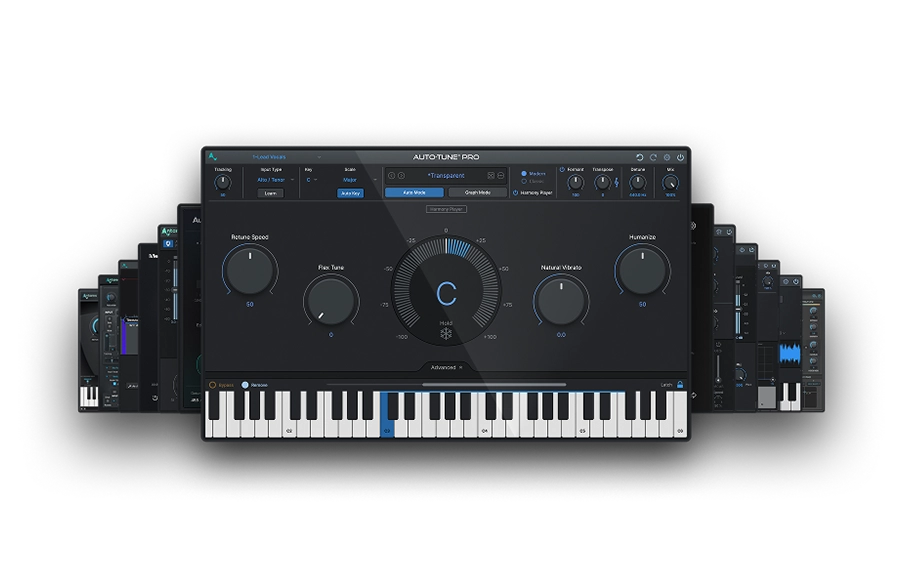
Every tool used is included in one subscription. AutoTune Unlimited covers AutoTune 2026, AutoTune Pro, Harmony Engine, AutoKey, and our complete Vocal Chain.

AutoTune Unlimited
The Ultimate Vocal Production Suite
Frequently Asked Questions
How does Coachella vocal production differ from indoor live sound?
Outdoor stages at the Empire Polo Club eliminate room reflections entirely, so the monitors become the only pitch reference available. Desert wind, crowd noise from multiple stages, and open acoustics all affect vocal perception and PA delivery. Monitor configuration and pitch correction both need to be calibrated specifically during outdoor soundcheck.
When is AutoTune Pro the right choice over AutoTune 2026?
When the set requires advanced real-time controls like Vibrato, Formant and Smart MIDI Hardware Mapping, per-song correction profiles, the built-in Harmony Player, or a full vocal processing chain with EQ, compression, de-essing and harmony generation. AutoTune 2026 handles fast pitch correction with minimal setup when that level of control isn't necessary.
What should the IEM mix include for an outdoor festival stage?
IEM Mix should have the vocal on top, a melodic instrument for pitch reference, and a rhythmic element for timing. Dense monitor mixes create ear fatigue and degrade pitch accuracy over the course of a festival set.
How should processing gear be protected in desert conditions?
All gear stays in shade during load-in and between acts. Desert stage temperatures can exceed what most consumer electronics are rated for. Wireless transmitter batteries get replaced before every set. Equipment goes into air-conditioned areas between performances when possible.
Can the full vocal chain and Harmony Engine run in real time at a festival?
Yes. The AI-Powered Vocal Chain plugins and Harmony Engine are designed for low latency real-time processing. AutoTune 2026's rebuilt algorithm runs up to 35% more efficiently at 48kHz, keeping the full chain stable in live rigs.

Exclusive AutoTune Content

AutoTune Pro

AutoTune Unlimited
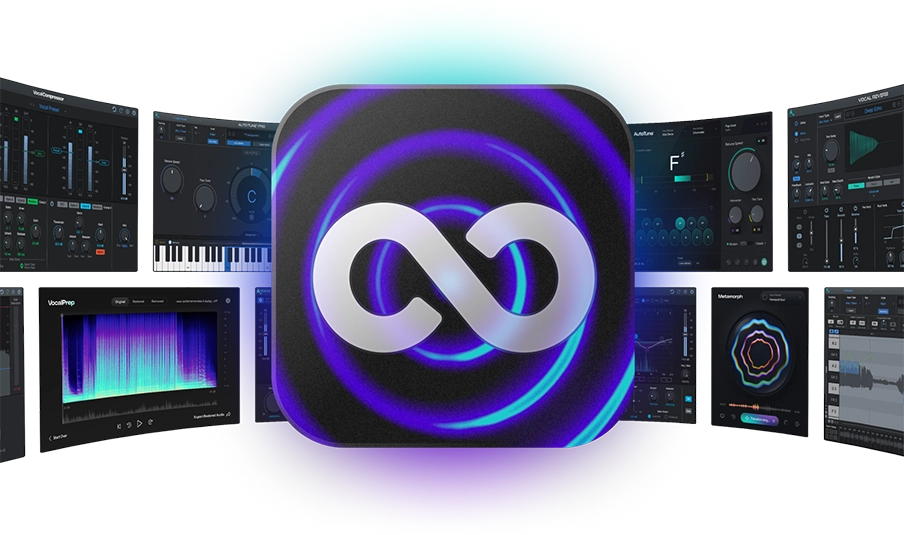
AutoTune 2026 and Metamorph
Now Included

Antares Editorial
Antares is a leading developer of software for music recording and live performance. For over 20 years, Antares has powered the music of top-charting and indie artists with products including the industry standard for pitch correction, AutoTune™.