

Creating a song might seem like a daunting task if you've never done it before. After all, we're talking about creating something from scratch based on an idea. How can you recreate the sound you have in your mind in real life?
This is a matter many creators deal with on a regular basis, and even though there isn’t a unique solution to this artistic dilemma, there are common practices that can help you enhance your creativity and make new music effortlessly.
Before Starting a New Song
If you want your song to become a hit, three elements are required: a catchy melody, groovy drums and percussion, and a memorable harmony and chord progression. The song will feel incomplete if one is missing or one does not fit well with the other two.
You can give the primary role to one of these three pillars in your songs, yet all three must coexist and work harmoniously within the track. You can start a song from any of these three elements.

Starting a New Song from Different Song Parts
There is no right way to start a new song, and you can change the process as many times as you like. Every songwriter has a favorite songwriting method depending on their strengths, preferences, how they’re feeling that day, or what ignites their imagination.
In the next section, we’ll talk about a song’s structure. You can start creating a new song from any of those parts and then expand your idea.
Song Intro
The goal of a song intro is to grab the listener's attention and make them want to hear the rest of the song. People say you only have about three seconds to get someone's attention; therefore, the intro needs to be short but impactful.
To write your song’s intro, you can use the main melody, a catchy line, or the chord progression to introduce what's coming next. If you already have an idea for the hook (more on that later), you can use it to get their attention, or you can use a short version of the hook to create the feeling that something else is coming.
Fast rhythms can boost your intro to grab the listener's attention immediately. Experiment with your ideas until you record something brief and memorable.
Write a Catchy Hook
The hook in a song is what gets stuck in your head after listening to the track - the part you start to hum out of nowhere. It can be a melody or a vocal line, and it is usually part of the chorus or something that's repeated throughout the song.
The melody, also called hook or riff, is the focal point of your song because it stands out from the rest of the track. Write a melody that will linger in the listeners' minds - a simple tune will be easier to remember than one with a complex rhythm.
Lyrics
Lyrics can hook your listeners if you write memorable lines with a catchy groove that they can sing along to. Often, memorable lines describe relatable feelings and stories written in rhymes, like poetry.
Writing lyrics before the melody will simplify the work of creating the right rhythm and cadence, although the melody is what the listeners are mostly attracted to. What’s most important is that you’re comfortable with the workflow you come up with, so make sure you experiment and try different creative paths.

Chord Progression
Chord progressions can carry a lot of emotional weight. You can start writing your songs by deciding what feeling you want to evoke in the listeners. Defining whether you’re writing a happy or sad song will help you set the mood of your track and choose between major and minor scales.
This might be a difficult step if you know little about music theory. Thankfully, plug-ins like Auto-Key by Antares can help you detect the key and scale of your melody or a reference song in seconds, so you can look for the best chords that fit well with the rest of your track and make it sound professional.

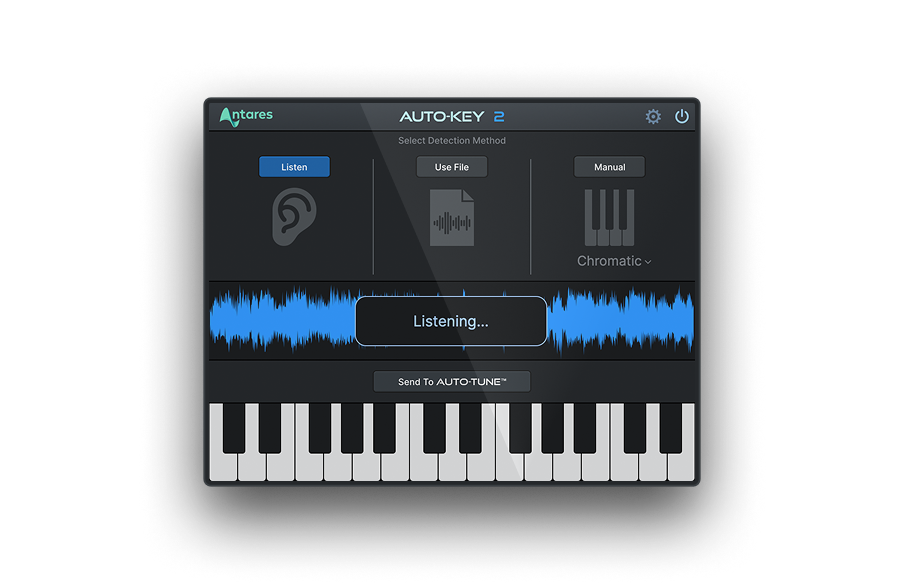
AutoKey
Automatic Key, Scale, and Tempo Detection
Building a Groove
An easy way to begin the songwriting process is with the groove of your song. Programming drums in a DAW can be easy and fun: begin with the bass and snare for a basic beat, and then add other elements, such as the hit hat and toms. You can easily edit, loop, and undo any changes in your DAW.
Many DAWs also come with several drum loops you can use. Having the rhythm of your song ready from the start can help you develop some ideas for the groove.
Try Using Presets and Samples
Having samples and presets available at any moment is a great option when you struggle to make new music. Most DAWs come with samples you can use to sketch up some new songs. However, if that’s not enough, you can expand your sample library by downloading third-party packages.
Create your own presets to use in future projects, change the tempo, and cut or add elements to make every song unique. For example, creating presets for different emotions will give you a starting point ready to develop at all times.
Inspiration and Creativity Hacks
Here are a few hacks to try when you struggle to find inspiration.
Decide on Emotions
Pay attention to your feelings when you don’t know what to write. It could be something you are feeling at that moment or a strong emotion you have experienced. It’s good practice to have a notebook where you can write down your emotions every day. For melodies, a sound library with samples and sounds will give you a hand whenever you need it.
Writing about feelings will create an emotional connection with your listeners. Emotions are something we all have in common, and since some keys and scales can perfectly represent certain feelings, use this to your advantage and try to create a deeply emotional reaction in your audience.
Use References
You can get inspiration from the music you are listening to.
Listen and analyze the structure of the songs you like: identify the hook, chords, rhythm, and try to determine how it was written.
One of the easiest ways to use references when creating a new piece of music is to start by borrowing a chord progression from an existing song or piece, and then making modifications as you go. You can alter the chords themselves - perhaps changing some minor chords to major chords, or vice versa - or change their order and structure. Additionally, you can add additional harmonies and melodies on top of the original structure for more depth and complexity. You can also explore different genres and styles, such as switching from blues to rock or adding funk elements. All these slight changes will help make your composition something fresh and unique compared to the original reference you borrowed.
Ask For Feedback
If you’re stuck, ask for feedback to see how people react to your music. You can ask your friends and followers on social media or send your demos to music blogs. I know this is as scary as releasing a new song, but if you can do it early in the process, you’ll have more opportunities to grow and improve your songwriting skills.
If you know other musicians, you can ask them to listen to your songs. You could exchange feedback and learn from one another, which brings us to the next hack.
Consider Collaboration
Having a co-writer will make the creative process less arduous. If you are a solo artist, consider asking other musicians to join you for a music-writing session. They may have more experience or a different approach to music making, and this can be extremely valuable if you’re struggling with making new music.
In today's digital age, it’s easier to find collaborations with musicians from around the world. Meeting people from different countries and cultures can broaden your artistic horizons.

Next Steps
Once you have the song's structure, melody, percussions, and harmony, there is still some work to do to make your draft song sound more professional and ready for publication.
Song Arrangement
Working on song arrangements can enrich the song’s sonic palette and keep the listeners engaged. Rearrange old songs and see if you can transform them into something new and fresh. Listen to that old, almost-forgotten melody you recorded years ago and see if it fits into one of your new works. You might be surprised to see how a different arrangement can revolutionize your compositions.
Song Remixing
Remixing a song is a fantastic way to create new music from pre-existing material. You have most of the process done: all you have to do is edit, cut, or add elements to the song to create a new piece of music. Changing the percussion or harmony to fit other genres is a great way to give old music a second life.
Layering Audio
During the post-production process, you can layer audio to combine sounds and produce dramatic effects that will magnify the appeal of a new song, expanding its sonic palette and emotional impact.
Final thoughts
To become a good songwriter or music producer, you’ll need to write plenty of bad songs first. However, every bit of progress will bring you closer to becoming the artist you always wanted to be, so never give up.

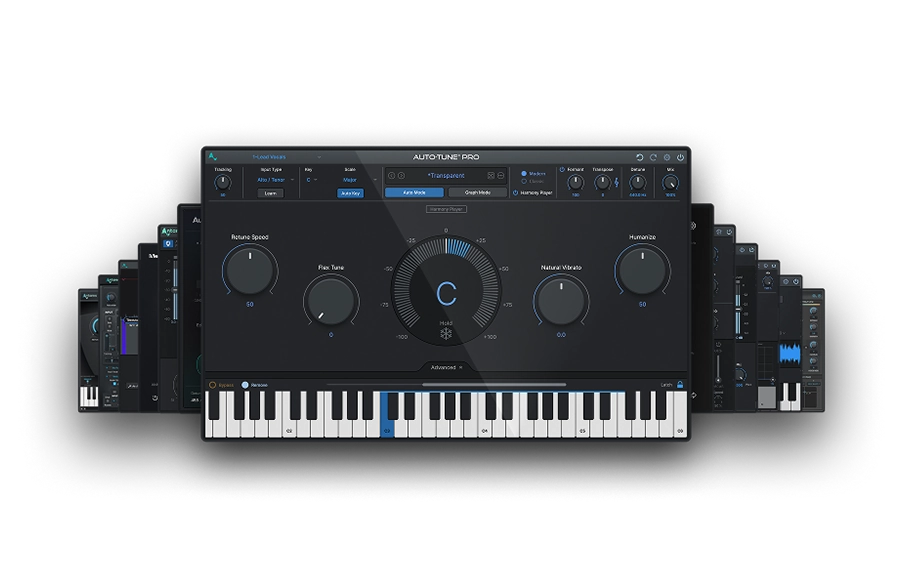
AutoTune Unlimited
The Ultimate Vocal Production Suite

Exclusive AutoTune Content

AutoKey

AutoTune Unlimited
AutoTune 2026 and Metamorph
Now Included

Antares Editorial
Antares is a leading developer of software for music recording and live performance. For over 20 years, Antares has powered the music of top-charting and indie artists with products including the industry standard for pitch correction, AutoTune™.