

Songwriting is not a gift but a combination of skills, creativity, and experience. Like every craft, the art of songwriting can be mastered and improved over time, so here are our tips to write better songs!
Being a songwriter is more than being able to bring a catchy melody to life: it's about creating a musical journey made of evolutions, buildups, changes, and harmony every time we compose a new song.
To the average person, it might seem that prolific and talented artists can develop new songs almost effortlessly; however, the reality is that those artists already have a structure and mindset that enhance their creativity.
Knowing yourself, and understanding the basic structure of a song, are the first two steps you must take to become a proficient artist. With this in mind, let’s look at the most effective techniques you can use to become a better songwriter.
Song Structure
The song structure is the blueprint for assembling different sections of a song together to create a coherent sonic experience.
There are no rules when it comes to song structure, but a commonly used structure is the “verse-chorus-verse-chorus-bridge-chorus” format. This popular format gives a balance between repetition and variation, keeping the listener engaged while offering a familiar structure. For instance, take a classic hit like "Hey Jude" by The Beatles, which features this structure and is embellished by memorable verses, a sing-along chorus, and a captivating bridge.
Different Parts of a Song
Every part of a song has a specific purpose, and together they become a coherent journey of words and sounds. The most common song parts are:
- Verse: The verse sets the stage for the story and introduces the listener to the song's narrative. It often has a more subdued melody and provides context. Consider Bob Dylan's "Blowin' in the Wind," where the verses pose thought-provoking questions, giving a sense of contemplation.
- Chorus: The chorus is the emotional core of the song, typically featuring a catchy melody and memorable lyrics. It provides a unifying and repetitive element that sticks in the listener's mind. Think of the catchy chorus in Pharrell Williams' "Happy."
- Pre-Chorus: The pre-chorus bridges the gap between the verse and the chorus, creating a sense of anticipation for the impactful chorus. It often introduces new chords, melodies, or lyrical phrasing that acts as a crescendo to draw the listener’s attention.
- Bridge: The bridge provides contrast and adds a fresh element to the song. It also introduces new lyrics, melodies, or chord progressions. Listen to Adele's "Rolling in the Deep," where the bridge intensifies the emotional impact before returning to the powerful chorus.
How to Start a Song
Starting a new song can be a beautiful experience if you're inspired but dreadful if you're running out of ideas. There's no one-size-fits-all solution to songwriting, but there are ways to gain inspiration and help you get started.
- Lyric Inspiration: Start with a powerful line, a captivating phrase, or even a single word that resonates with you. It could be a thought-provoking statement like Bob Marley's "One Love," which became the cornerstone of an iconic song.
- Melodic Hook: Begin with a catchy melody or a memorable instrumental riff that has the potential to grab the listener’s attention. The opening guitar riff in Deep Purple's "Smoke on the Water" is the perfect example of a melodic hook that draws in the listener from the start.
- Emotional Connection: Tap into your emotions and write from a personal place. Expressing your authentic feelings can result in a powerful and relatable song. Artists like Billie Eilish often draw inspiration from personal experiences to create impactful songs like "Ocean Eyes."
The Best 10 Songwriting Tips

Get In The Right Mood
Set up a dedicated space for your songwriting where you feel comfortable. Surround yourself with anything that inspires creativity, be it all kinds of musical instruments, artwork, paintings, or even some meaningful objects like soft lighting for a pleasant atmosphere.
Most of all, avoid distractions, which we’ll talk about later.
Transforming your space into a cozy corner can give you all the inspiration you need to start on the right foot.
How To Improve Your Concentration
Creativity and distraction are two opposites: you can’t be creative when your mind is elsewhere.
Minimize distractions by turning off notifications on your devices, closing unnecessary tabs on your computer, and being in a quiet space where you can focus solely on your music. If you find yourself easily distracted by social media, try using apps or browser extensions that block access to distracting websites during designated writing periods.
Consider breathing exercises before composing new music: it can help you focus and forget about everything else.
Listen To Music To Get Inspiration

Listening to genres that align with your songwriting style can help get your creative juices flowing. Pay special attention to the melodies, lyrics, and production techniques used in songs that you admire.
Or take a completely different path and listen to music that has nothing to do with your style! Inspiration can be found everywhere, and keeping an open mind is crucial for an artist.
Use Different Tools
Music production is also about being confident with the tools you have at your disposal.
When it comes to DAWs (digital audio workstations), consider factors such as user interface, available features, virtual instruments, and integration with plug-ins. Many DAWs offer free trials—experiment with them all to find what works best for you.
Third-party plug-ins provide an excellent opportunity to expand your sonic palette, so get and master the ones that can take your sound to the next level. Be selective—don’t simply download every free plug-in you come across.
Our advice is to use as little equipment as possible. Be it software or hardware, if you have a minimal setup, you’ll be able to record yourself and follow your inspiration at a moment’s notice.
Have An Efficient Workspace
Creating an efficient workspace is essential for productive songwriting. We mentioned how important it is to have an inspiring recording environment, but none of that will work if your home recording studio is pure chaos!
Organize your equipment, cables, and instruments at the end of each session. Optimize the room’s acoustics and ensure you have a comfortable setup. Eliminate clutter and distractions to build a focused and creative environment.
Searching for a Catchy Melody
Experiment with different melodic intervals, rhythms, and sounds to captivate the listener's ear. Use repetition, hooks, and unexpected twists to make your melody stand out. Craft melodies that evoke emotion and leave a long-lasting impression in the minds of your audience.
Use All Types of Chords
Thousands of chords are available for you to unleash your creative self, and unless you want to be the next Malcolm Young and build a successful career on five chords, I’d suggest you experiment with as many as you can!
Embrace the vast possibilities of chord progressions to add depth and variety to your songwriting: explore traditional progressions like I-IV-V, mix major and minor chords, add borrowed chords, and try modal interchange.
Try all possible progressions, but also remember that simplicity goes a long way!
Write an Entire Song Using Only Samples
Crafting an entire song using only samples can be an exciting and creative approach. A good start is to curate a collection of diverse and high-quality samples: experiment with manipulating, layering, and arranging them to create different melodies, beats, and textures. Use effects and processing techniques. In the end, you will see that you transformed those samples into something entirely new!
Set Some Time Limitations
This can be a powerful approach for boosting creativity and productivity in songwriting. Challenge yourself by setting specific time frames to complete different aspects of the songwriting process, such as writing lyrics, composing melodies, or arranging sections. Embracing these limitations encourages you to make decisions, trust your instincts, and help you overcome creative blocks.
Rearrange an Existing Track
Rearranging an existing track or creating a remix can breathe new life into your music. Try different arrangement ideas by changing the structure, adding or removing sections, or altering the order of elements. Get creative with effects, instrumentation, and dynamics to bring a fresh perspective.
Final Thoughts
Songwriting is a journey of self-expression and storytelling: it’s the art of capturing emotions, experiences, and thoughts to transform them into melodies and lyrics. Through dedication, creativity, and empathy, songwriters have the power to reach your heart, inspire change, and create a lasting musical legacy.
Just like Elton John once said, "Music is the greatest healer, the most powerful force in the world for bringing people together because it has no boundaries."
Good luck, and stay creative!

Exclusive AutoTune Content

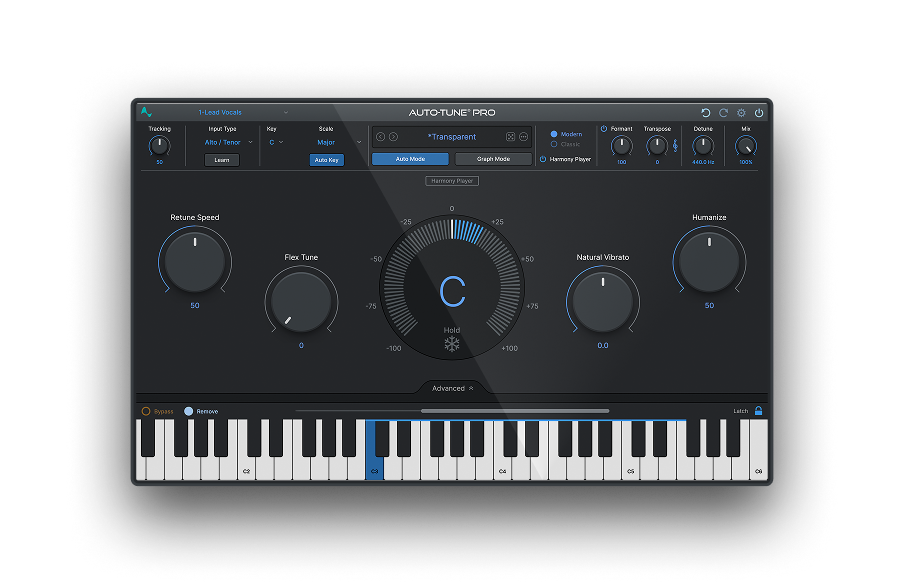
AutoTune Pro

AutoTune Unlimited

AutoTune 2026 and Metamorph
Now Included

Antares Editorial
Antares is a leading developer of software for music recording and live performance. For over 20 years, Antares has powered the music of top-charting and indie artists with products including the industry standard for pitch correction, AutoTune™.